


Ten years of dedication culminated at the Natural Olympia when Mark Black claimed the title of top amateur natural bodybuilder in the world. The 41-year-old San Diego native went professional in two categories, marking a milestone in a career built on discipline and determination. His path to the stage began at age 30, sparked by a personal commitment to pursue excellence without performance-enhancing substances.
Black’s competitive success is one piece of a larger story rooted in recovery and redemption. Clean and sober since 2009, he made a promise to himself and his faith that no substances would enter his body. Finding bodybuilding later in life gave him a channel for the resilience developed through earlier challenges. His natural approach demonstrates alternatives exist for those seeking competitive success without compromising long-term health.
Championship Credentials and Olympic Aspirations
Black trains under Jim Gonzalez, recognized as the number one coach in natural bodybuilding with over a hundred competitive wins to his name. Gonzalez earned Coach of the Year honors last year while leading a team that produces top-tier natural athletes. The partnership has positioned Black among elite competitors, with the INBA/PNBA federation now lobbying to include natural bodybuilding in the Olympics within four to eight years.
The push for Olympic recognition gained momentum following the recent addition of flag football and breakdancing to the Games. Open categories would likely comprise the Olympic competition format, creating opportunities for athletes across four weight classes. Black sees the four-to-eight-year timeline as his own preparation window, viewing the potential development as motivation to continue refining his craft.
His competitive philosophy is based in longevity and sustainable practices. The gym he co-owns houses natural competitors all the way up to their 80s, all maintaining impressive physiques through proper training and nutrition. This multigenerational presence challenges assumptions about aging and athletic performance.
The Gym: A Freelance Training Hub in San Diego
The Gym opened in Chula Vista during COVID-19 lockdowns, defying closure orders to serve members who signed waivers accepting personal responsibility. Black and his business partners operated through what they termed “fitness prohibition,” pulling clients through back doors while facing media attention and government pressure. Members later reported doctors crediting their continued exercise routines with surviving COVID infections, validating the risk the facility took to remain operational.
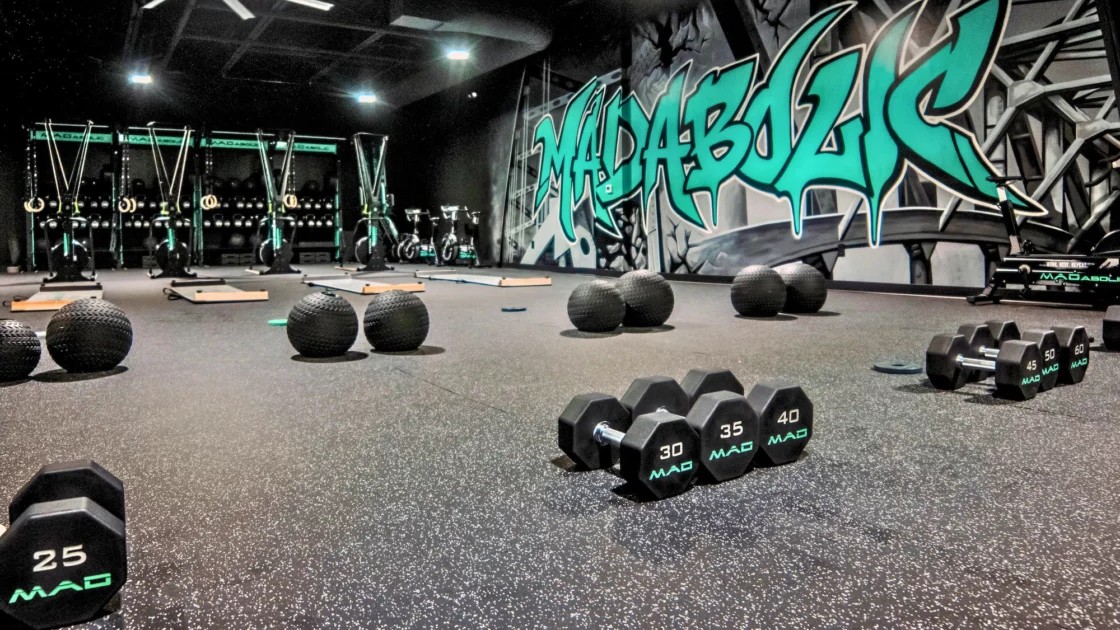
This defiance established The Gym’s reputation within San Diego’s fitness community. The operation expanded to East County in December 2023, replicating the Chula Vista location’s success. With 11 locations across Southern California, Arizona, and Florida, The Gym maintains DNA inherited from the original Gold’s Gym before its corporate sale—hardcore training spaces where Olympic-caliber athletes work alongside everyday members pursuing personal records.
The freelance training model is a new one for me, and it’s something pretty remarkable. The Gym’s trainers own and operate independent businesses without paying rent or splitting fees with management. They maintain their $30 monthly membership, and their clients must also hold memberships at the same rate. This structure eliminates overhead typically associated with training, allowing coaches to keep 100 percent of session fees while building their businesses within an established ecosystem.
Trainers at The Gym include IFBB pros, natural bodybuilding champions, posing coaches, dietitians, strength and conditioning specialists, and mobility experts. The facility refers walk-in clients to trainers based on specialties and reputation, helping coaches grow their books without marketing expenses. Members also sell meal prep services from refrigerated cases, creating interconnected microeconomies within the larger gym environment.
Requirements for trainers focus on organization and self-sufficiency rather than specific certifications. Candidates must arrive with established business models, client management systems, and professional references. Experience matters more than credentials, though certifications provide leverage when attracting new clients. The model favors outgoing personalities capable of building rapport and managing independent schedules without institutional support.
The 14,000-square-foot expansion planned for fall 2024 will double the East County facility’s footprint, accommodating growing membership and trainer populations. The Chula Vista location maintains its position as headquarters, housing many of the top 10 natural bodybuilders globally. Both facilities reject corporate uniformity—no polos, no standardized procedures, just equipment, expertise, and space for serious athletes to pursue their goals.
Final Thoughts
Black runs his gym the way he approaches bodybuilding—no shortcuts, no gimmicks, and definitely no corporate playbook. The $30 membership for trainers and members makes this a feasible and sustainable model for everyone to succeed.
Most gyms talk about supporting their trainers while structuring everything to extract maximum value from their work. Black built a space where IFBB pros train alongside 80-year-old bodybuilders because nobody’s getting squeezed. Trainers show up, do their work, keep their money, and stick around.
About Elisa Edelstein
Elisa is a curious and versatile writer, carving her niche in the health and wellness industry since 2015. Her lens is rooted in real world experience as a personal trainer and competitive bodybuilder and extended out of the gym and on to the page as a writer where she is able to combine her passions for empowering others, promoting wellness, and the power of the written word.