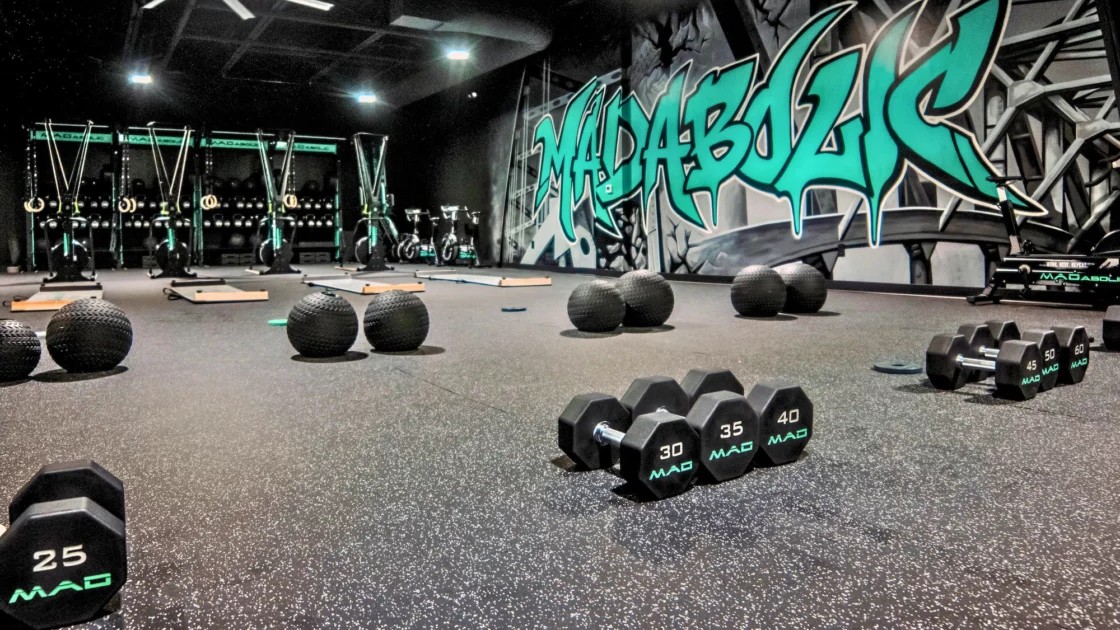



I saw the schedule problem before the churn report showed it. The studio looked strong from the outside. HIIT stayed packed. Strength classes ran heavy. Coaches loved the energy, and the room felt alive at peak hours. Then the 40 to 65 lifestyle members started missing weeks.
Some mentioned sore knees. Some said they weren’t sleeping well. Others still liked the studio, but they couldn’t recover from the weekly layout. If you run a studio, this is where studio class scheduling longevity becomes an operator issue. The member may not be ready to quit. The schedule may have stopped fitting the way they train, recover, and repeat.
The Lifestyle Member Isn’t Asking for Easy
The 40 to 65 lifestyle member still wants effort. They want strength, cardio capacity, joint-friendly movement, less stiffness, better energy, stress control, confidence, and a weekly rhythm they can repeat. They’re avoiding programming that breaks their consistency.
The market keeps moving in their direction.
ACSM ranked fitness programs for older adults as the No. 2 global fitness trend for 2026. The ranking points to stronger demand for age-aware training, active aging, and programming built around long-term capacity.
ClassPass also reported low-impact training grew 112% year over year in its 2025 Look Back Report. Pilates stayed the most-booked workout globally for the third straight year, with yoga, strength training, and cycling still holding strong.
Zone-2 Retention Blocks
Zone-2 blocks give members low-to-moderate aerobic work built around steady output. They’re not leaderboard classes or secret HIIT classes with softer branding. They’re controlled conditioning blocks that help lifestyle members train more often with less recovery cost.
A strong format runs 40 to 60 minutes. Use bikes, treadmills, rowers, incline walking, or low-impact cardio stations. Coach with the talk test, keep the effort steady, and cut the max-output finisher.
The cue should sound simple on the floor:
“Stay at a pace where you can talk, but you would not want to sing.”
— Zone-2 floor cue
Use an early morning routine block for members who train before work. Try a midday 50+ block for members with flexible schedules. Program a weekend recovery slot after heavy strength days.
Zone-2 blocks give lifestyle members a way to build cardio capacity without making the rest of the week harder. The class adds training volume without adding the same recovery tax as another hard session.
Mobility/Strength Repeatability Classes
Mobility/strength hybrids keep strength serious while making the session easier to repeat. This class shouldn’t become slow stretching with a dumbbell nearby. It has to have structure. Use tempo strength, loaded carries, unilateral work, balance, trunk control, controlled ranges, and mobility between strength sets.
The member still lifts, trains positions that matter, and feels the work. The difference sits in the pacing, control, and recovery demand.
Good slots include late morning, early afternoon, and a post-work reset slot. Those windows catch members who want to move, build strength, and leave better, not crushed. This format serves members who care about hips, shoulders, posture, knees, and long-term confidence. It also helps coaches teach better movement standards without turning every class into a lecture.
Recovery-Anchor Revenue Slots
Recovery-anchor classes shouldn’t sit on the schedule like filler. They need a job. Use mobility, breath-led cool-downs, light cardio flushes, restorative strength, soft tissue education, and short recovery lessons. Keep the class coached and the structure clear.
The best slots include Sunday late morning, Monday evening, Wednesday midday, and Friday recovery blocks. Those points in the week give members a reason to stay connected without taking another hard class.
This creates real low intensity class revenue.
A member who feels beat up may skip the studio, but a recovery-anchor class gives them a lower-stress booking that keeps the habit alive. That class can protect attendance in weeks when the member would otherwise disappear.
Lower intensity doesn’t mean lower value. The class has a different business job: keep the members in the rhythm.
Amber Toole, founder of The Training Toole, sees the same scheduling issue in her own studio.
“Our clientele is mostly over 50 with a range of needs. Some are still in the workforce and need the early hours for working out, while others are retired and prefer to work out a little later in the morning or early afternoon. Many of our retirees also have past and current injuries that need to be considered when working out. We found that offering a low-impact, very small class was a much more effective and safer experience for them. They needed something more focused and personalized.”
— Amber Toole, founder, The Training Toole
The Weekly Schedule Mix Operators Should Test
A simple test week can include 2 high-intensity classes, 3 strength classes, 2 Zone-2 blocks, 2 mobility/strength hybrids, and 1 recovery-anchor class. Every studio doesn’t need this exact model. Operators need to stop stacking high-intensity options across every peak slot, then wondering why lifestyle members drift.
Place lower-intensity options where lifestyle members already book.
Sunday late morning works well for recovery and mobility. Monday evening can reset members who don’t want to start the week with a beatdown. Wednesday midday can support flexible workers or 50+ members. Friday recovery blocks can keep members moving before the weekend without draining them.
The schedule should create a training week members can repeat. It shouldn’t feel like a menu of disconnected hard sessions.
The Health & Fitness Association reported 6% year-over-year membership growth and 8% average revenue growth in its 2025 global industry report summary. Operators have a growth market, but growth still needs retention design.
The Tradeoff: The Schedule Will Feel Less Extreme
Some members want intensity every day. Some coaches prefer high-output classes because those rooms feel more exciting to lead. Some operators worry lower-intensity options will weaken the brand.
You have to explain the purpose and protect the standard.
- A Zone-2 block still needs coaching.
- A mobility/strength class still needs progression.
- A recovery-anchor class still needs structure.
“Don’t sell these classes as easier. Sell the job they do: helping members train more often, recover better, and stay inside the studio’s weekly rhythm.”
— On positioning the schedule
Related: The Dead-Time Design Problem: Amber Toole on Off-Peak Revenue
FitHire: Browse Class Programming & Studio Roles
Operators who can design schedules around lifespan, recovery, and member retention keep gaining value across clubs and studios. Browse class programming and studio roles if you want to work where programming strategy shapes the business.
Build the Schedule Members Can Keep
Studios don’t need to abandon intensity, but they do need to stop making intensity carry the whole schedule. The 40 to 65 lifestyle member wants to train long enough to feel better next year, not only crushed today. A schedule built around lifespan gives that member more reasons to stay.
Keep the hard classes, add the repeatable ones, then watch which members finally find a week they can keep.
Frequently Asked Questions
What does studio class scheduling longevity mean?
Studio class scheduling longevity means building a class calendar around long-term member capacity, not only intensity. It balances strength, cardio, mobility, recovery, and high-output work so members can train consistently for years.
Why should studios add lower-intensity classes?
Lower-intensity classes give lifestyle members a way to train more often without feeling beat up. They can support retention, fill off-peak slots, and create revenue from members who want consistency, not constant exhaustion.
What classes work best for lifestyle members?
Zone-2 blocks, mobility/strength hybrids, and recovery-anchor classes work well. They help members build aerobic capacity, strength, mobility, and recovery habits without forcing every class into a high-intensity format.
How should operators test a new class schedule?
Operators should test one to three new slots first, track bookings, repeat attendance, waitlists, cancellations, and member feedback, then adjust the mix before changing the full schedule.
About Robert James Rivera
Robert is a full-time freelance writer and editor specializing in the health niche and its ever-expanding sub-niches. As a food and nutrition scientist, he knows where to find the resources necessary to verify health claims.
Robert James Rivera writes on studio operations, class programming, and member retention for Coach360News.