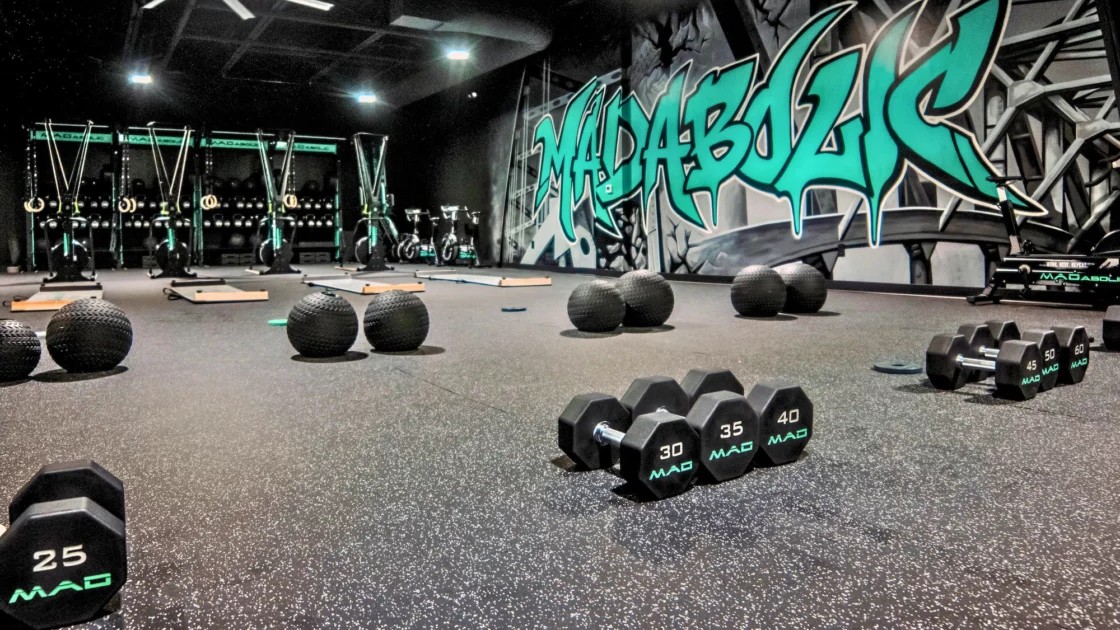



I knew within the first warmup whether the room trusted the coach. Thirty-plus people were moving at once. Nobody was waiting for a private training plan. They were waiting for direction, timing, regressions, and energy. That is the real test inside a functional fitness coaching career. The coach has to hold the room before the workout earns its result.
Fitstop Memorial in Houston sits right inside that test. It is a growing studio in a growing market, backed by a brand that describes its model as functional, community-driven team training across more than 150 locations in Australia, New Zealand, Singapore, and the United States.
If you want a functional fitness coaching career, this job lets you manage pace, attention, safety, and trust in real time.
Why Fitstop Texas Hiring Creates an Early Career Window
The opportunity is tied to timing. Victor Guo, owner of Fitstop Houston Memorial, described a clear path for coaches who join now and prove they perform. The progression starts at Lead Trainer, moves to Studio GM as a second location opens, then Area Manager as the group scales to 5 to 7 locations across Houston. For the right person, franchise ownership enters the conversation later.
Fitstop Memorial is hiring before the Houston market is fully built out. Early coaches step in before every leadership layer already has a name on the door.
What Fitstop Screens For Before Skill
Victor screens coaches for three things: coaching energy, coachability, and community instincts.
That should get every new coach’s attention. A certification proves baseline knowledge. It does not prove you can hold a room, keep 35 people moving, adjust tone, cue safely, and make quiet members feel noticed.
Victor’s sharpest hiring point is that skill is not the 90-day problem. Culture fit is. Some coaches are strong in a one-on-one setting, but they cannot command a full room and make every member feel seen at the same time.
“They’re great in a one on one setting but they can’t command a room of 35 people and make every single person feel seen at the same time. That’s a rare skill and it’s the one I screen hardest for.”
— Victor Guo, Owner, Fitstop Houston Memorial
The first career lesson is simple. Do not sell yourself as a workout coach. Show that you can lead a room.
Method 1: Coach the System Before You Add Personality
Fitstop’s session structure includes Lift, Perform, Condition, and Sweat.
- Lift focuses on strength and progressive overload.
- Perform blends lifting with higher-intensity work.
- Condition leans into cardio and full-body endurance.
- Sweat is the higher-energy community session, held on Saturdays, with elements from the other formats.
Victor said Fitstop’s programming is pre-written by the corporate team. Development is focused on floor presence, cueing, energy management, and member connection, not exercise science theory.
Fitstop also uses reps in reserve to help guide lifting intensity. That gives coaches a way to talk about effort without vague hype. Reps in reserve means how many good reps a member could still perform before failure.
“Coach the system first. Add your personality after the room trusts you.”
— Coaching cue, Method 1
Method 2: Build Room Control in Four Weeks
Victor said Fitstop Memorial works with HQ in Santa Monica on structured onboarding. In his experience, a coach with the right energy and attitude leads independently within 3 to 4 weeks.
That first month should feel deliberate.
- Week 1 is for session flow, movement standards, equipment setup, and member names.
- Week 2 is for shadowing, helping, cueing warmups, and learning timing.
- Week 3 is for leading blocks, managing transitions, and receiving direct feedback.
- Week 4 is for leading independently with review.
That ramp works because the workout is already built. The coach’s job is to make the plan work in the room.
A useful cue sounds like this:
“Stay with this pace. Clean reps first, speed second.”
— Coaching cue, Method 2
That sentence protects the member, the session, and the coach.
Method 3: Treat Retention Like a Coaching Skill
Victor said coaches are not only hourly employees. They also have performance bonuses tied to class attendance and member retention. PT trainers run their own personal training business from the studio from 1 to 4 p.m. daily. They pay a facility fee and keep everything else.
That changes the career math for a new coach.
A member who returns, brings a friend, books PT, or stays consistent becomes proof that the coach creates value beyond the workout. The proof shows the owner that the coach builds trust, supports revenue, and helps the studio grow.
For a new coach, retention is a key career skill. A coach who keeps members engaged gives an owner a clearer promotion case.
The Tradeoff: Group Coaching Exposes Weak Habits Fast
Group coaching puts weak habits on display fast. A coach cannot hide behind long explanations, random hype, or the strongest members in the room. They have to cue clearly, control pacing, protect beginners, and keep the session on time.
Miss names and timing, ignore beginners, or overcoach every station, and members feel it quickly.
“If you want the career path, you have to earn trust in public.”
— Career cue, Functional Fitness Coaching
Why the Head Coach Role Blends Coaching and Business
Take the role of Head Fitness Coach and Community Manager in Houston as an example. It describes a full-time, on-site role tied to daily operations, memberships, sales support, instructor coordination, local community growth, and member connection.
For new coaches, the next step up is learning how a studio runs.
The operator skills are practical: membership support, retention, sales support, staffing, local events, and community growth. A coach who leads a room and understands those levers looks less like a class instructor and more like a future studio leader.
The functional fitness coaching career becomes a business path.
What New Coaches Should Prove Before Applying
Before applying for a role like this, show that you are capable of coaching a group.
- Record yourself cueing one movement in under 15 seconds.
- Learn basic strength and conditioning terms.
- Prepare examples of how you helped a member feel connected, not only how you corrected a squat.
Give a sense of coachability in the interview. Ask about the 30-day onboarding path, how performance bonuses work, and what a Lead Trainer has to prove before moving up.
Related: Fitness Talent Retention: What Crunch, MADabolic, and Life Time Do Differently
FITHIRE — BROWSE FITNESS LEADERSHIP ROLES
Coaches who lead a room, retain members, and grow into studio operations are becoming more valuable in functional fitness. Browse leadership and coaching roles if you want a coaching job with a real path beyond the weekly class schedule.
Build the Career Before the Title Arrives
Fitstop Memorial’s hiring story shows the real trade. A new coach gets a system, a room, a growth market, and a leadership path. In return, they have to prove they can lead people, retain members, and help the studio grow.
The title comes later. The proof starts on the floor.
Frequently Asked Questions
What career path can a Fitstop coach have in Houston?
Victor Guo describes the path as Lead Trainer, Studio GM, then Area Manager as the group opens more Houston locations. For the right person, franchise ownership becomes part of the conversation later. Coaches who join early get the leadership window before every layer is filled.
What does Fitstop Memorial look for in new coaches?
Fitstop Memorial screens for coaching energy, coachability, and community instincts. Certification matters, but Victor said the harder skill is leading a room of 35 people while making each member feel seen. That is the rare skill he screens hardest for.
Is Fitstop programming written by the coach?
Victor says Fitstop programming is pre-written by the corporate team. That means the coach’s main development focus is floor presence, cueing, energy management, and member connection, not exercise science theory. Coaches who want to write their own programs may find this constraint frustrating. Coaches who want to develop room control quickly will find it accelerating.
How long does it take to lead a Fitstop class independently?
Victor said a coach with the right energy and attitude typically leads independently within 3 to 4 weeks of joining. Week 1 covers session flow and member names, week 2 is shadowing and cueing warmups, week 3 is leading blocks under feedback, and week 4 is leading independently with review. The structured onboarding works because the workout is already built. The coach’s job is to make the plan work in the room.
About Robert James Rivera
Robert is a full-time freelance writer and editor specializing in the health niche and its ever-expanding sub-niches. As a food and nutrition scientist, he knows where to find the resources necessary to verify health claims.