


Fitness talent retention is the operating problem that separates studios gaining ground from studios replacing the same role every quarter. Operators are posting jobs. Coaches and trainers are looking. The two sides keep missing each other. The gap between what today’s fitness professionals want from their careers and what most studios currently offer is widening, and the cost lands on both sides of the transaction.
Coach360’s latest report, The Talent Shift, examines why that disconnect persists and what the operators closing it share in common. The report features interviews with executives at Crunch Fitness, MADabolic, and Life Time, each running a different model at a different scale, each arriving at a similar conclusion about what holds a coaching team together. What follows are the operational lessons drawn directly from those conversations.
The Real Cost of Losing a Coach
Trainer turnover in boutique and franchise studios runs between 30% and 80% annually, depending on market and model. Every departure triggers a sequence operators know too well: vacant class slots, client attrition during the gap, recruiting time, onboarding costs, and brand erosion that members feel weeks before it shows up in the numbers. The financial damage runs $15,000 to $30,000 per studio per year when you combine lost revenue, administrative hours, and the invisible drag of a weaker member experience.
The Talent Shift report found that the reasons coaches leave have shifted. Compensation still matters, but it is no longer the primary exit driver for most departures. Today’s coaches, particularly younger professionals entering the field, are evaluating career growth, daily culture, scheduling flexibility, and whether anyone in leadership notices their work. Studios that treat coaching roles as interchangeable positions lose their best people to studios that do not.
Three Retention Models That Work at Scale
Crunch Fitness: Hospitality as a Hiring Filter
Pamela J. Brown, Executive Vice President and Head of People & Culture at Crunch Fitness, describes a retention philosophy built on a deceptively simple principle: every interaction between staff and leadership is a moment of truth. That phrase carries weight inside Crunch because it shapes who gets hired, not just how they are managed after.
Hospitality is a core hiring criterion at Crunch. Not just for front-desk staff. For trainers and coaches. The logic runs deeper than customer service language: if you hire people who care instinctively about the experience they create for others, retention follows because those people feel aligned with the brand rather than just employed by it. They stay because the work matches how they operate. The ones who leave were never going to stay regardless of the pay structure.
MADabolic: The Client-to-Coach Pipeline
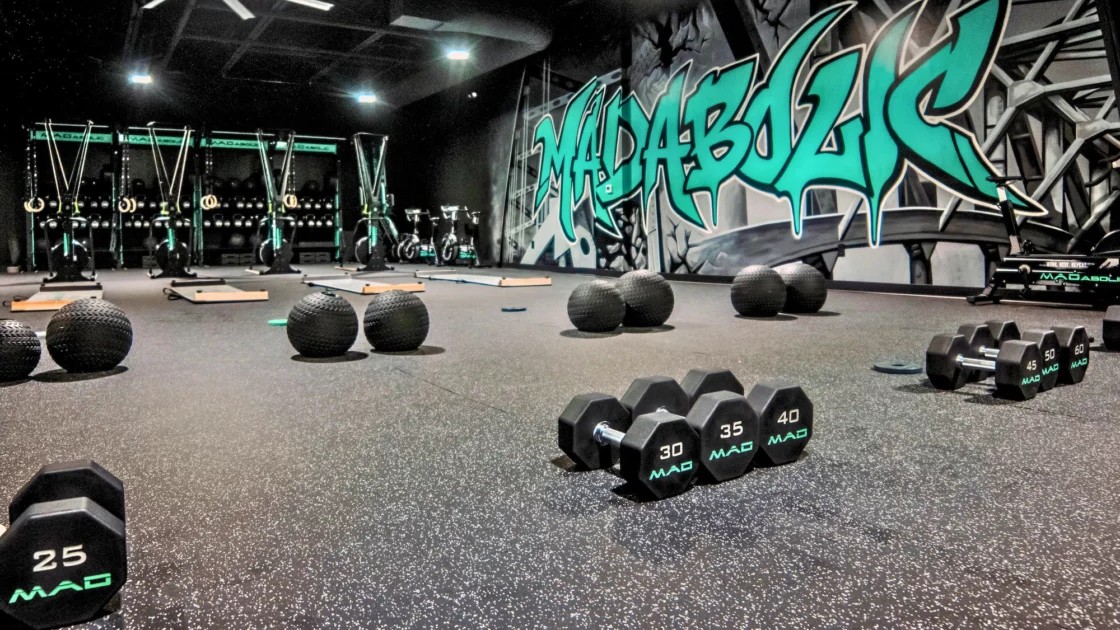
Kristi Wass, VP of Marketing at MADabolic, outlines a talent pipeline that most boutique operators overlook completely: their own client base. MADabolic’s strongest group fitness coaches started as members first. They already understand the programming, the energy, and the culture before they ever lead a class. That is not an accident. It is a system.
The brand’s two-day Training Camp filters for coaching skill and brand alignment at the same time. It costs more time and coordination upfront than a standard audition. It also produces coaches who stay longer because the fit was tested before the offer, not after. For boutique operators running tight margins, the cost of one bad hire measured in vacant classes and client churn makes the upfront investment in a real screening process look cheap.
Life Time: Building Roles Before Coaches Ask for Them
Efonda Sproles, Sr. Vice President of Scouting and Talent Strategy Acquisition at Life Time, describes a hiring philosophy borrowed from Steve Jobs: lead the consumer rather than waiting for them to tell you what they want. Applied to talent strategy, this means Life Time actively constructs the roles and career paths that high-caliber fitness professionals need before those professionals start shopping for them.
The result is a pipeline that attracts coaches who think in terms of career trajectory, not next-quarter scheduling. Coaches who see a clear progression from floor trainer to lead to department head to district leadership do not spend time browsing other opportunities. The retention isn’t built on compensation alone. It is built on the visible architecture of a career.
“We stopped guessing why people left and started asking what made them stay. The answers were never about money first. It was career path, daily respect, and whether leadership paid attention to their work. Once we built those into operations, our turnover numbers moved.”
— Multi-location studio operator, 6 years in fitness management
What Operators Can Do This Quarter
The Talent Shift report identifies patterns shared by operators with the strongest retention numbers. These are not culture-committee projects that take a year to implement. They are operational changes that shift how coaches experience working for you.
Restructure onboarding beyond the first week. Most studios spend three to five days showing a new coach the software, the class schedule, and the locker code. Then they expect that coach to perform at the level of someone who has been on the team for a year. A structured 30-day onboarding plan with clear benchmarks (week one: shadow two classes, week two: lead one assisted, week three: solo with feedback session, week four: full schedule review) gives new coaches evidence that the role is real.
Ask coaches what they actually want. Not in a group meeting. In a one-on-one conversation where the answer matters and someone writes it down. Scheduling flexibility, continuing education support, performance-based pay tiers, and visible career progression are the four areas that come up most often across The Talent Shift interviews. If you are guessing what your coaches need, you are already behind the operators who asked.
Use tools that reduce operational friction. The report profiles platforms solving specific pieces of the retention puzzle: Walla for studio management, SoundHound AI for front-desk automation, FitHire by Coach360 for connecting operators with qualified coaching talent at zero acquisition cost. Studios that invest in operational infrastructure free up leadership bandwidth for the retention work that actually moves numbers. The operator who spends five hours a week on scheduling is the operator who never gets to the one-on-one conversation with the coach who is about to leave.
The Talent Pipeline Is Not What It Was
AI is reshaping what studio staff spend their time on. The longevity movement has raised client expectations for what a coach should know about metabolic health, sleep architecture, and recovery science. Social media has blurred the line between influence and actual coaching competence, making hiring decisions harder for operators who cannot tell the difference between a following and a skill set. And a new generation of certified fitness professionals is choosing where to work with greater intention, weighing daily appreciation, career visibility, and stability over brand recognition.
Operators who adjust their hiring, onboarding, and retention systems to match those shifts will hold onto the coaches who hold onto their members. That is the math. And the math does not change based on studio size. A 200-member boutique and a 5,000-member club lose revenue through the same mechanism: the coach that members trusted is gone, and nobody told the members why.
Download The Talent Shift report from Coach360 for full interviews with Crunch, MADabolic, and Life Time executives, plus profiles of the platforms helping operators of every size build teams that last.
FAQs
How Do Gym Owners Improve Fitness Talent Retention?
The strongest operators focus on four areas: structured onboarding that extends past the first week, regular one-on-one conversations about career goals, scheduling flexibility, and visible pay progression. The Talent Shift report from Coach360 found that coaches who see a defined career path stay significantly longer than those who view the role as temporary.
What Is the Average Turnover Rate for Personal Trainers?
Trainer turnover in boutique and franchise studios typically falls between 30% and 80% annually, depending on market and operating model. Each departure costs an estimated $15,000 to $30,000 per studio per year when factoring lost class revenue, recruiting costs, onboarding time, and member attrition during the vacancy. The compounding effect is what makes it an operating crisis rather than a staffing inconvenience.
How Do You Hire Fitness Coaches Who Stay Long-Term?
MADabolic hires from its own client base. Crunch screens for hospitality instincts alongside coaching skill. Life Time builds career paths proactively so coaches see long-term opportunity from day one. The methods differ, but the common factor across all three brands is treating fitness talent retention as a system built into operations rather than a reaction triggered by turnover.
About Elisa Edelstein
Elisa is a curious and versatile writer, carving her niche in the health and wellness industry since 2015. Her lens is rooted in real world experience as a personal trainer and competitive bodybuilder and extended out of the gym and on to the page as a writer where she is able to combine her passions for empowering others, promoting wellness, and the power of the written word.