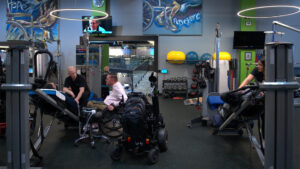



A fitness professional health crisis takes more than the schedule. If the body stops working, the first thing to protect is not the calendar. It is the sense of who you are without it. Jessica H. Maurer lost both at the same time in 2022, and she will tell you the second one took much longer to recover from.
Maurer is a keynote speaker, author, and wellness consultant, and the 2026 IDEA Fitness Leader of the Year. Four years ago, she could not reliably leave her house.
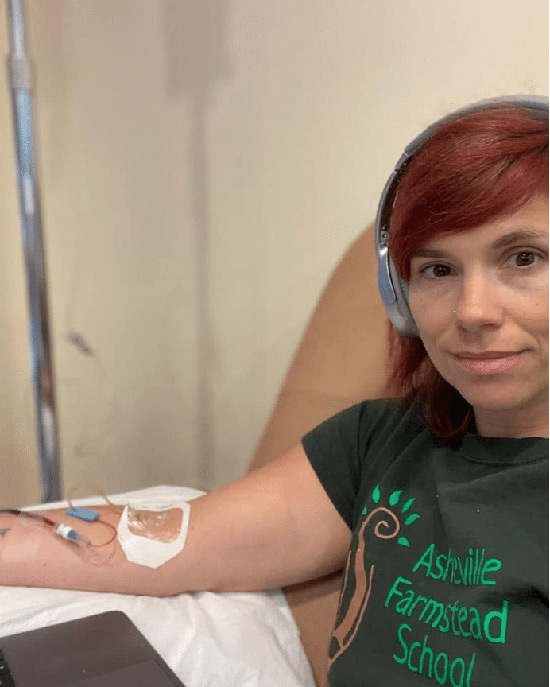
“In 2022, my entire life stopped. I suffered from a medical poisoning that resulted in heavy metal toxicity, and by the time we discovered it, the damage was already serious,” Maurer shared.
The damage reached her liver, kidneys, stomach, lungs, heart, and spleen. Some days she could hardly breathe or think clearly. Teaching, leading, creating, and showing up for other people, all of it went out of reach at once.
Why This Lands Differently on Fitness Professionals
In a fitness professional health crisis, two things go at once, and the second rarely gets named. The income problem is obvious, and most coaches plan poorly for it. Nobody warns about the identity problem, because this industry builds careers on bodies that perform.
Maurer is direct about which one caught her off guard. “For most of my life, I had built my identity around movement, momentum, and achievement. But suddenly, pushing harder wasn’t an option anymore. My body simply said no.”
There is a third cost, and coaches will recognize it fastest. For two years, she didn’t tell the industry what was happening. She writes about why in her book.
“I was afraid that if the fitness industry saw the full reality of my struggle, the narrative would change overnight. The whispers would start: Don’t hire Jess. She is not well. She can’t even get off the couch, let alone lead a room.”
— Jessica H. Maurer
That calculation is rational in a profession that sells strength and stamina, which is why it’s worth saying out loud. A coach managing something quietly right now is not being dishonest. They are reading the room correctly, and the room is the problem.
Willpower Is Not the Lever. Design Is.
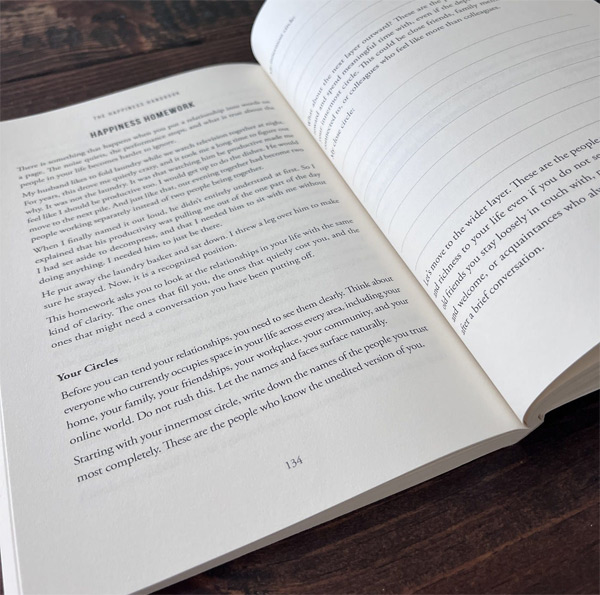
Maurer’s guided journal is called The Happiness Handbook: A Guide to Designing Joy, and the subtitle’s verb is the argument. Designing means choosing which inputs you want and when they happen in your day. Building means repeating those choices long enough for them to hold.
The book sorts every intervention into boulders and pebbles. Boulders are the structured exercise routines, the nutrition overhauls, the sleep protocols. They work, and they require reserves, planning, and sustained effort. Pebbles are small, immediate, and everywhere, and they work partly because you already like them.
That distinction matters most at the bottom, where standard advice fails.
“Willpower and motivation are the first two things to leave when you are depleted. So the standard advice arrives asking for the exact resources depletion has already taken away.”
— Jessica H. Maurer, The Happiness Handbook
The pebbles are external and physical, not internal. Opening the blinds before opening the laptop. Four minutes outside. Calling someone. None of this replaces the internal work, and Maurer uses journaling, mantras, and self-talk herself. The point is that external input stays reachable on days when thinking doesn’t.
The research supports this approach. In 2019, Tyler VanderWeele proposed handling well-being the way the industry already handles fitness: as something a person can track, measure, and build over time rather than something to wait for.
The reframe lands with clients as readily as with coaches. A client who misses three weeks usually arrives apologizing, convinced the problem is that they stopped wanting it. Most of the time, something expensive happened in their life, and their capacity went elsewhere, which is information, not a character flaw. The useful question is not how to want it more. It is what would have to be smaller, closer, or more routine for it to happen anyway.
Writing Was the Other Input
The second thing that carried her through was a page, though not as a symptom log.
Noticing what actually shifted something on a given day builds a record of evidence rather than a record of suffering. Four minutes outside helped on Tuesday. The phone call helped more than expected. Within a few weeks, a pattern becomes visible, and a person can act on it.
She frames the page as a pause rather than a performance.
“Most of us move through our days without ever pausing to take an inventory of how we feel. We know something is off, or flat, or missing, but we rarely stop long enough to examine it. This page is that pause. It is a snapshot of your starting point, and every meaningful change needs one.”
The format follows the argument. The book is a paperback with no digital edition because you’re meant to write in a guided journal, not read it.
What She Would Tell a Coach In It Right Now
Start with one input and one line of writing, and let that be the week’s ambition. The goal is information rather than discipline.
“One pebble is insignificant,” she writes. “A handful in a day starts to feel like something. Weeks of them and you are holding material you can build with.”
Build a strong medical team and let them lead clinical decisions. One of her doctors told her she would need three things to get through it, which were a streaming service, a library card, and a therapist. She laughed at him at the time, and she credits him now for pointing at things already within reach and saying they belonged alongside the medication rather than after it.
In her guided journal, Maurer talks about spending years believing she was only one thing, and about the long work of remembering she is also the knitter, the Pisces, the roller-skater, and the reader of fantasy novels about dragons. She learned that work was always part of who she is, never the whole of it, and that is what made the rest survivable.
Start with one page. The first two chapters of The Happiness Handbook are free. Start there, and write one line tonight about what actually helped today.
Related: Mental Wellness Intake Framework for Coaches: The Dual-Continuum Approach
FitHire: Find Roles That Fit the Season You Are In
Careers in this industry don’t have one shape, and neither do the seasons you move through. FitHire by Coach360 connects health, fitness, and wellness coaches with the clubs, studios, and brands hiring now.
Frequently Asked Questions
Should a fitness professional tell their employer or clients about a health condition?
There is no obligation to share a diagnosis with clients or colleagues, and most coaches who stay quiet are making a rational calculation about an industry that sells stamina. What usually needs communicating is a change in capability, what you can and cannot deliver right now, which is a different conversation from disclosing why. Telling one trusted colleague the truth is a separate decision from telling the industry, and it tends to be the one that helps soonest.
Why does a health crisis hit fitness professionals harder than other workers?
Two reasons stack on top of each other. Income in this profession is usually tied to sessions delivered, so a coach who cannot work often has no sick pay and no floor underneath them. The second is harder to see. Clients read a coach’s body as evidence of competence, so losing physical capacity can feel like losing credibility, and most coaches have built their sense of self on that capacity.
How does a coach stay connected to their career when they cannot do the physical work?
Often by changing the shape of the work rather than stopping it. Maurer kept building during her recovery, moving away from teaching classes and filming workouts and into speaking and writing about well-being and sustainable habits. The expertise transfers further than most coaches expect, into education, program design, writing, consulting, and operations. The career on the other side is rarely identical to the one before it.
What can a coach actually do on a bad day when nothing feels possible?
Choose something small enough that motivation is not required. The test is whether it takes seconds rather than planning, whether you already like it, and whether it is still available on your worst day. Opening the blinds, four minutes outside, or one phone call all qualify. Willpower disappears first when a person is depleted, so anything that depends on it will fail at the exact moment it is needed most.
About Erin Nitschke
Dr. Erin Nitschke, NSCA-CPT, NFPT-CPT, ACE Health Coach, ACE-CPT, Fitness Nutrition Specialist, Therapeutic Exercise Specialist, Pn1, FNMS, and DSWI Master Health Coach, is a seasoned college professor in health and human performance. She is a nationally recognized presenter, industry writer for IDEA, NFPT, Fitness Education Online, and Youate.com, and an active member of the ACE Scientific Advisory Panel. With extensive experience in health and exercise science, Erin specializes in holistic, evidence-based approaches to wellness. Her passion lies in empowering individuals to lead healthier, more vibrant lives through personalized coaching. Erin’s philosophy centers on education, accountability, and sustainable behavior change—guiding clients to achieve long-term success in nutrition, fitness, stress management, and overall well-being. To connect with Dr. Nitschke, email her at erinmd03@gmail.com or on Instagram: @nitschkeerin