All Categories
All Categories
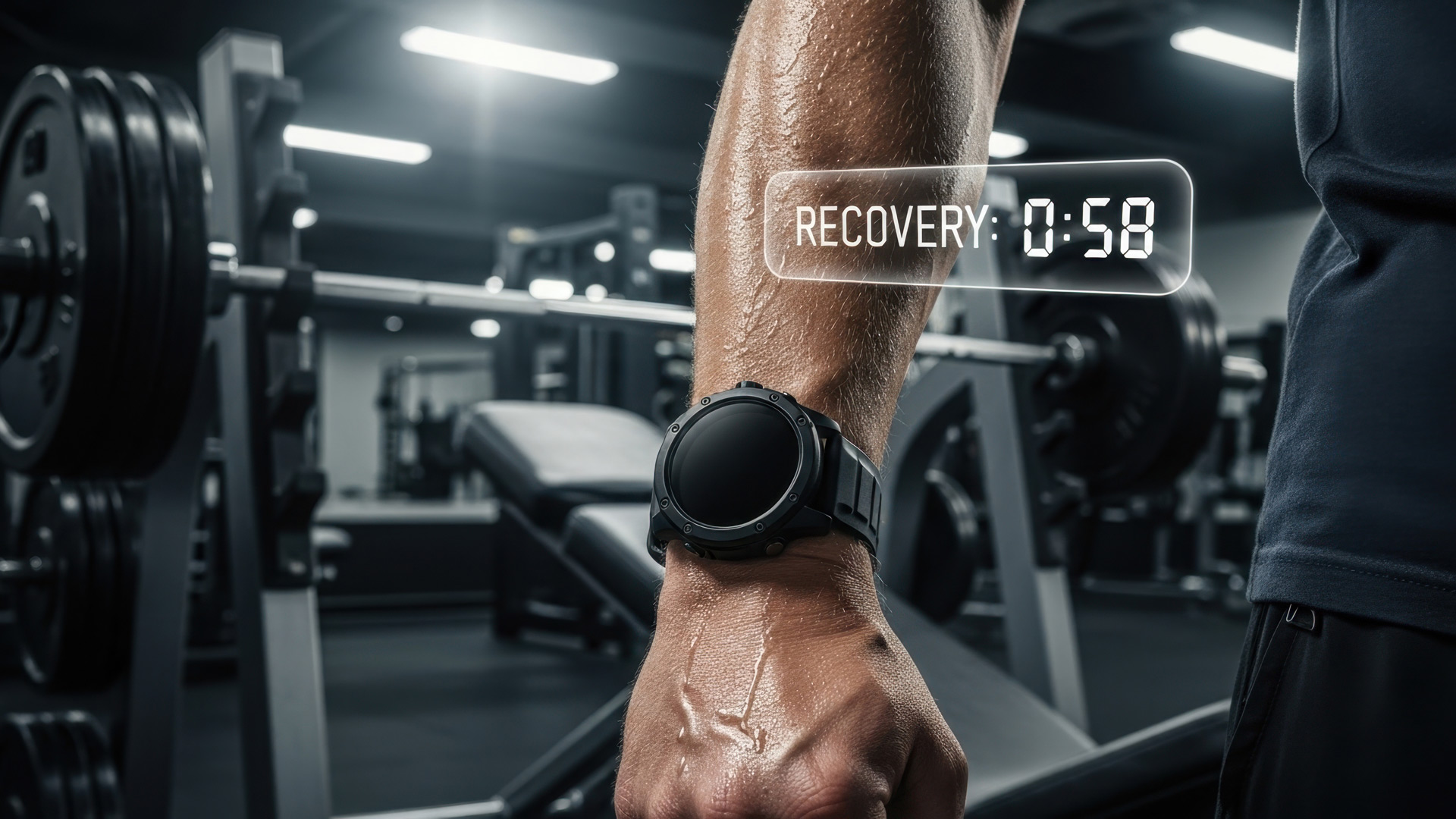

About 50 percent of new gym members quit in six months, and it might be because your club ignores recovery. When a client quits or stops attending sessions, it’s not that they lose interest as much as they simply couldn’t sustain the work. They still want to get fit or stay strong, but the club may not have the means to help them recover, snuffing out motivation and making them leave.
Recovery intelligence changes that. Smart tools now track readiness and fatigue in real time, helping studios predict strain before burnout sets in. By turning rest into measurable performance data, owners can keep members consistent, extend results, and protect revenue.
Compression boots, infrared therapy, and AI-guided massage systems are no longer high-end perks as much as they’ve evolved to become measurable, repeatable tools that connect training stress with physiological repair.
Smart recovery systems now collect what we call “recovery scores.” You track tissue oxygenation, HRV, sleep quality, and feed those into dashboards that both trainers and clients can interpret.
When clients see data confirming progress and readiness, trust builds. They start to view recovery as part of their performance strategy instead of something as mundane as an optional cooldown.
IHRSA data shows that recovery-focused facilities see up to 30% higher member retention and generate $65,000 in non-dues revenue within six months of introducing recovery zones like HydroMassage and infrared therapy. Planned recovery was also shown to improve adherence better than training changes alone. Members feel cared for beyond the workout, see progress without burnout, and return for precision, not just effort.
This is where loyalty becomes measurable. A client who feels consistently capable is less likely to cancel their membership or bail on a program. When integrated properly, recovery tech becomes the difference between a client who trains for three months and one who stays for three years.
Fitness studios are already building recovery-tier memberships or packages that combine recovery access with coaching oversight. Others run AI-driven readiness tests as paid add-ons before training cycles.
Peptide-based recovery formulations also give professionals another layer to monetize without making it too complex or feel like an unnecessary add-on to a fitness program. Instead of only selling sessions, studios can offer a full recovery protocol, BPC-157 for soft tissue support, GHK-Cu for cellular repair, and TB-500 for mobility recovery.
These integrations also attract a new demographic: longevity-driven clients. They’re less interested in HIIT burnout and more focused on data-backed resilience.
That further opens the door for partnership packages with local health clinics, physiotherapists, and wellness centers, which may expand income beyond what your studio can do alone.
Here’s how you can get started adding recovery into your studios:
The studios winning right now track data based on recovery and not just hitting PRs. In turn, the data they gather becomes the foundation of increased loyalty, which can lead to higher profitability for their health clubs or gyms.
With that said, what does the future hold for recovery? An intelligent guess would be that it will be about who recovers intelligently, and the studios that lead this shift will own both the loyalty and the long game.
About Robert James Rivera
Robert is a full-time freelance writer and editor specializing in the health niche and its ever-expanding sub-niches. As a food and nutrition scientist, he knows where to find the resources necessary to verify health claims.

By Robert James Rivera

By Robert James Rivera

By Dr. Erin Nitschke

By Dr. Erin Nitschke

By Dr. Erin Nitschke

By Dr. Erin Nitschke



Powering the Business of Health, Fitness, and Wellness Coaching