



A client came to me frustrated after six weeks of doing everything right. Sleep was solid. Nutrition was dialed. Training load was appropriate. Nothing was adding up. When I asked about his environment, he mentioned he drank tap water all day at work, used plastic containers for every meal he prepped, and trained in synthetic gear that hadn’t been replaced in two years. That conversation shifted the frame. Not because any single factor was the problem, but because recovery is shaped by more than what happens inside the gym.
Microplastics have entered the performance conversation. They show up in water, soil, air, food, food packaging, and living tissue. The research is still developing, but the direction of the evidence points toward chronic exposure influencing inflammation, oxidative stress, and overall physiological load. That matters because recovery is already a balancing act, and anything that raises the baseline level of stress the body is carrying makes it harder to adapt.
“Hydration is foundational to recovery, but not all water is created equal. As awareness grows around microplastics in drinking water, athletes and fitness operators are starting to ask not just ‘am I hydrated?’ but ‘what am I actually putting into my body?'”
RAZ RAZGAITIS. CEO AND CO-FOUNDER. FLOWATER
What the Research Actually Says
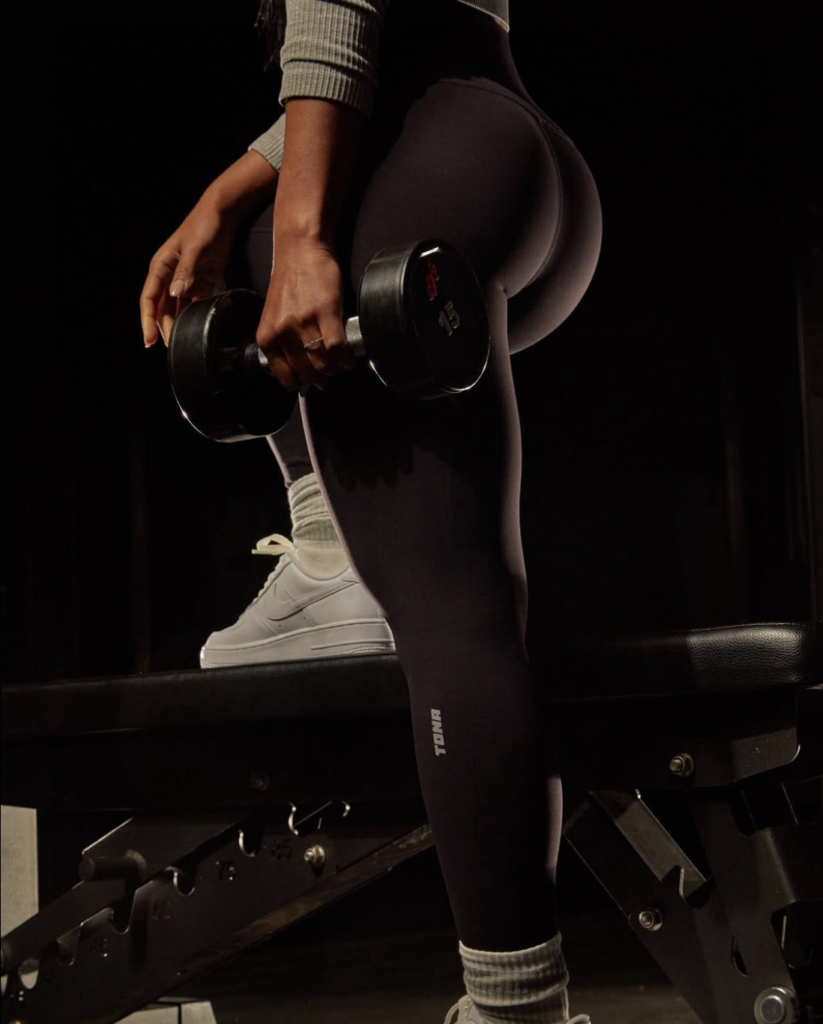
Microplastics are not a niche issue. Darren Seigel, Chief Business Development Officer at TONA Activewear, explains the mechanism: “What makes microplastics more relevant isn’t just their presence. It’s what they carry. Many of these particles can act as carriers for substances like PFAS, often referred to as ‘forever chemicals’ because they persist in the body and can build up over time.”
These particles absorb and transport heavy metals, persistent organic pollutants, and pathogens. The growing body of evidence links chronic exposure to increased inflammation and disruption to hormonal signaling. Seigel: “When you start looking at total stress load, it’s not just training and sleep. Certain environmental exposures have been associated with increased inflammation and disruption to hormonal signaling, both of which directly affect recovery.”
“Microplastics represent a blind spot in the fitness industry. We focus heavily on nutrition, sleep, and training but rarely consider the long-term impact of contaminants that athletes may be consuming every day, especially the water that we’re drinking.”
JASON FERGUSON. NATIONAL SALES DIRECTOR. CORPORATE AND FITNESS

The Two Traps
When a new topic like this enters the conversation, there are two predictable wrong moves. The first is dismissal: “It’s out of our control. Don’t worry about it.” The second is overcorrection: turning microplastics into the primary explanation for every plateau or setback.
Clients need neither fear nor indifference. The honest framing is this: if the fundamentals are off, microplastics are not the issue. If everything else is dialed and something still is not adding up, the environment is a legitimate place to look.
What Actually Moves the Needle
The priority when microplastics are a concern is never to chase the most unfamiliar variable first. Sleep quality, nutritional adequacy, hydration, stress management, and appropriate training load management: these are still the highest-return investments. They also function as buffers. Strengthen them and the body handles everything else more effectively.
Practical Steps Coaches Can Take
This is not about eliminating microplastic exposure. Seigel: “You’re not trying to eliminate exposure completely. That’s not realistic. But reducing unnecessary contact, especially with products that sit on the skin during and after training, is a practical place to start.”
- Encourage consistent hydration habits. When relevant, discuss water source awareness as part of that conversation.
- Support whole-food nutrition patterns over heavily processed options.
- Where it fits naturally, reduce reliance on single-use plastics.
- Reinforce recovery behaviors that lower overall physiological stress load.
The Contextualizing Role
One of the most valuable skills a coach develops is knowing how to contextualize new information. The coaching response that builds trust: “Yes, this exists. Yes, it may matter. But here is what matters most for you right now.”
“At a certain point, this shifts from theory into choices. What you wear during training, especially for hours at a time, becomes part of that environment and influences recovery. That’s one reason we built TONA the way we did. Engineered for performance and fit, and made without PFAS. The idea is simple. The products closest to your body should support your health, not work against it.”
DARREN SEIGEL. CHIEF BUSINESS DEVELOPMENT OFFICER. TONA ACTIVEWEAR
The microplastics conversation does not change what great coaching looks like. It adds one more reason to do it well.
FOR COACHES BUILDING DEPTH IN HEALTH & LONGEVITY
Coaches who can contextualize emerging science and translate it into practical programming are exactly who forward-thinking operators seek to hire. FitHire by Coach360 connects coaches with facilities that value this depth.
Frequently Asked Questions
Should I bring up microplastics with every client?
Not proactively. When a client raises the topic, the most useful response is honest framing: the exposure is real, it adds to total stress load, and the best defense is making the controllable variables as strong as possible.
Do microplastics directly cause poor recovery?
The research is still developing. Current evidence links microplastics and the PFAS compounds they carry to increased inflammation and hormonal disruption, both of which affect recovery capacity. They do not override the impact of sleep, nutrition, and training load, but they can compound total body burden over time.
What practical steps can coaches actually take?
Encourage filtered water habits, support whole-food nutrition over processed options, reduce single-use plastic reliance where practical, and reinforce recovery behaviors that lower overall physiological stress. None of these require expertise in environmental science.
How do I respond when a client is alarmed by something they read about microplastics?
Acknowledge it directly. Say: “The research is real and worth paying attention to. Here is how it fits into your overall picture, and here is what we are going to focus on.” Giving it appropriate weight without amplifying the alarm is the coaching skill.
About Erin Nitschke
Dr. Erin Nitschke, NSCA-CPT, NFPT-CPT, ACE Health Coach, ACE-CPT, Fitness Nutrition Specialist, Therapeutic Exercise Specialist, Pn1, FNMS, and DSWI Master Health Coach, is a seasoned college professor in health and human performance. She is a nationally recognized presenter, industry writer for IDEA, NFPT, Fitness Education Online, and Youate.com, and an active member of the ACE Scientific Advisory Panel. With extensive experience in health and exercise science, Erin specializes in holistic, evidence-based approaches to wellness. Her passion lies in empowering individuals to lead healthier, more vibrant lives through personalized coaching. Erin’s philosophy centers on education, accountability, and sustainable behavior change—guiding clients to achieve long-term success in nutrition, fitness, stress management, and overall well-being. To connect with Dr. Nitschke, email her at erinmd03@gmail.com or on Instagram: @nitschkeerin