


Most discussions about healthy aging center on familiar topics such as nutrition plans, exercise regimens, and stress-management techniques. These things matter, but they miss a factor that may be just as important but is less discussed and less often. It is equally powerful in determining how we age.
The practice of sustained, challenging learning throughout adulthood influences cognitive health, physical capability, and even lifespan itself. This connection between education and longevity operates through specific mechanisms that depend on how difficulty shapes the aging brain.
The Challenge Principle
Educational difficulty operates on a spectrum, and positioning yourself appropriately determines whether you’re building cognitive resilience. Brain training apps and crossword puzzles offer mental engagement, but they rarely push users into the discomfort zone where measurable change occurs. The key lies in cultivating skills that demand sustained attention, problem-solving, and tolerance for repeated failure.
Consider the 65-year-old tackling conversational Mandarin or the 72-year-old learning calculus. These pursuits force the brain to establish new neural pathways, a process that appears to slow cognitive decline and may contribute to extended healthspan. The difficulty itself becomes the intervention—your brain responds to challenge by strengthening existing connections and forging new ones.
This brings us to what researchers call the frustration window, the precise point at which a task feels almost impossible yet remains achievable with effort. If the challenge is too simple, your brain coasts on established patterns. If it’s too complex, you disengage entirely. The sweet spot is right at the edge of your current capability, demanding focus while offering periodic wins that keep you engaged.
Physical Learning Creates Compound Benefits
Learning can be divided into two categories: cognitive pursuits such as languages and mathematics, and physical skills such as dance, musical instruments, and martial arts. While both offer brain benefits, physical learning appears to deliver something extra.
When a 60-year-old picks up jazz piano or begins studying Brazilian jiu-jitsu, they’re engaging multiple systems simultaneously. The brain processes complex motor patterns while the body develops new muscle memory, leading to improvements in coordination and balance that stabilize over time. The cardiovascular system adapts to new movement patterns, creating a multi-system engagement that produces benefits extending past pure cognitive training.
Physical learning also requires various forms of problem-solving. A guitar player troubleshoots fingering challenges, a dancer works through spatial awareness in real time, and a martial artist reads and responds to an opponent’s movements. These activities combine cognitive and physical demands in ways that appear to produce measurable health outcomes.
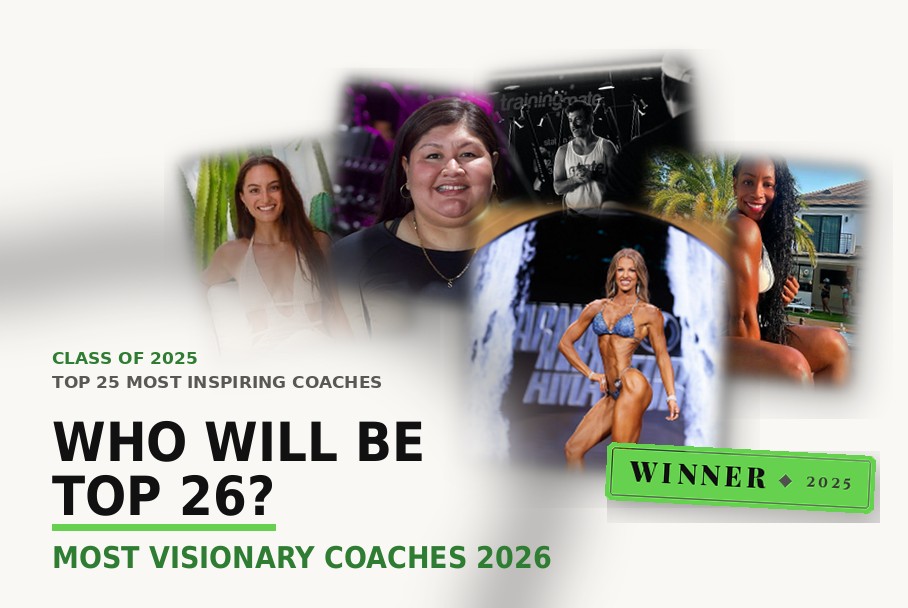
Career Lab by Coach360, taking place on January 17th, 2026, in Santa Monica, CA, acknowledges the connection between continuing education and professional longevity. The event provides fitness professionals with opportunities to learn and grow from industry professionals. Whether you’re exploring new training modalities or refining existing expertise, the focused learning environment creates that optimal frustration window—challenging enough to produce growth, structured enough to prevent overwhelm. Join us to invest in your education and, by extension, your long-term health.
The Social Dimension
Solo learning has its place, but group education introduces a variable that significantly amplifies health outcomes, such as human connection. Attending a class, working with an instructor, or joining a study group combines cognitive challenge with social engagement, and the combination appears to have a greater impact.
Research on Blue Zones—regions where people routinely live past 100—consistently identifies social connection as a longevity factor. Learning in community settings delivers intellectual stimulation and the proven health benefits of regular social interaction. Consider how a pottery class brings together a teacher and students, creating an environment in which hands-on learning and collaborative problem-solving work in tandem.
The social element also addresses a common barrier to sustained learning. The temptation to quit when progress stalls. An instructor can adjust difficulty, offer encouragement, and provide the external structure that keeps you showing up. Fellow learners normalize the struggle and celebrate breakthroughs, transforming what might feel like isolated failure into a shared journey.
Final Thoughts
The relationship between learning and longevity hinges on a simple truth: the brain, like muscle tissue, responds to stress by adapting and strengthening. But we often underestimate what “stress” means in this context. Scrolling through trivia or completing the daily sudoku rarely generates the productive friction that triggers meaningful change.
Real cognitive health comes from tackling material that humbles us, that forces us to sit with confusion and work through it systematically. The 70-year-old learning tango isn’t just picking up a hobby—they’re engaging in a practice that may add quality years to their life. The retiree enrolled in a university course on philosophy isn’t filling time—they’re investing in their future self. Education doesn’t end when formal schooling does. The most compelling argument for lifelong learning may be the most personal: it gives us more years to keep learning.
About Elisa Edelstein
Elisa is a curious and versatile writer, carving her niche in the health and wellness industry since 2015. Her lens is rooted in real world experience as a personal trainer and competitive bodybuilder and extended out of the gym and on to the page as a writer where she is able to combine her passions for empowering others, promoting wellness, and the power of the written word.