
What BODYBAR Pilates Figured Out About the Category Everyone Else Was Selling Wrong
I have sat through more franchise pitch decks than I can count, and nearly all of them describe the same version of Pilates: the modality you turn to when you cannot do the hard thing, or the one you do after the hard thing already hurt you. BODYBAR Pilates is the rare operator I have covered that rejected that positioning outright, and if you run a studio, the results are worth your attention.
Studios leaned into the gentle positioning for decades because it worked, and an entire category grew up around being the soft landing. BODYBAR Pilates went the other direction, and the results are worth an operator’s attention. The brand has now opened 93 locations across 25 states with plans to open 24 more locations before year’s end.
The line they use to describe themselves gives away the strategy. The shake is shared, the names are real, and tomorrow you will feel muscles you forgot you had. Nothing about that is gentle. It is a promise of difficulty delivered inside a promise of belonging, and getting both of those into one sentence is harder than it looks.
Kamille McCollum, owner and president of BODYBAR Pilates, explains: “In 2012, I had the unique opportunity to take an athletic Pilates class before many people. I was training for a marathon, so I was in great shape, and I quickly realized how effective Reformer Pilates was in building strength without impact.
Then, I visited other Reformer Pilates studios and realized there was a huge opportunity to serve a population who loves high-intensity but also wants the benefits of Pilates. I knew the population would love our signature Performance | Athletic Reformer class. As I opened my first BODYBAR location, my instructors and I made sure even our lower-intensity classes were still challenging and pushing clients to find their inner athlete.”
The Repositioning Underneath the Growth
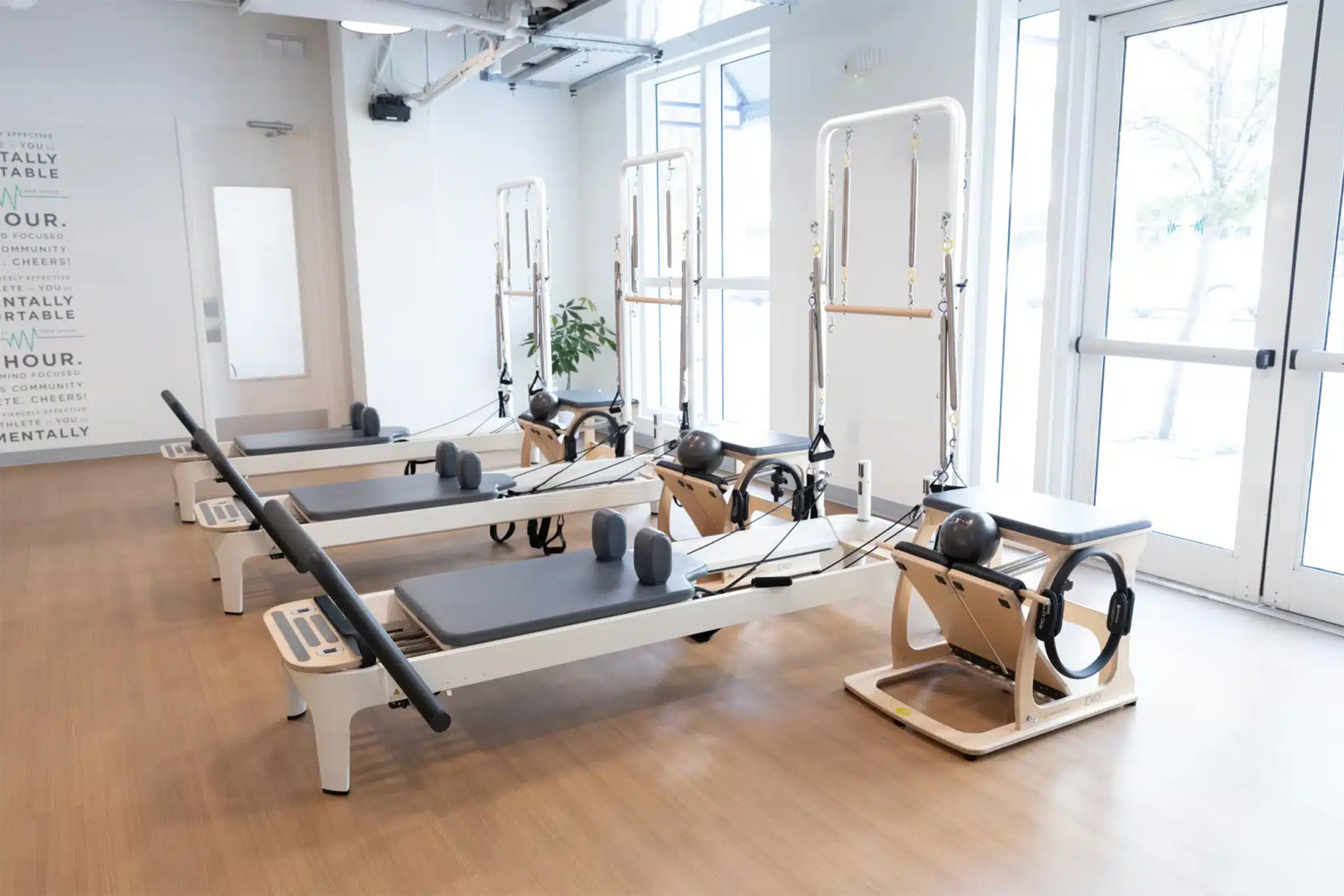
BODYBAR describes its method as blending the precision of Reformer Pilates with a more athletic, hands-on approach, so members are not just moving but building. That distinction sounds like marketing until you sit with what it actually changes.
It changes who walks in. A studio positioned as gentle attracts people who believe they need gentle, which is a smaller and more fragile market than most operators want to admit. A studio positioned around strength, stability, and endurance without high-impact strain attracts the deconditioned beginner and the athlete looking for cross-training, and those two people can occupy the same reformer without either feeling out of place.
It also changes retention math. Someone doing Pilates as rehabilitation leaves when the rehabilitation is finished. Someone doing Pilates as strength training has no natural end date.
That is the quiet business insight buried in a positioning decision, and it applies well beyond Pilates. Plenty of operators have built a facility around what a client is recovering from rather than what they are building toward, and it caps them without ever seeing why.
Solving for the Door
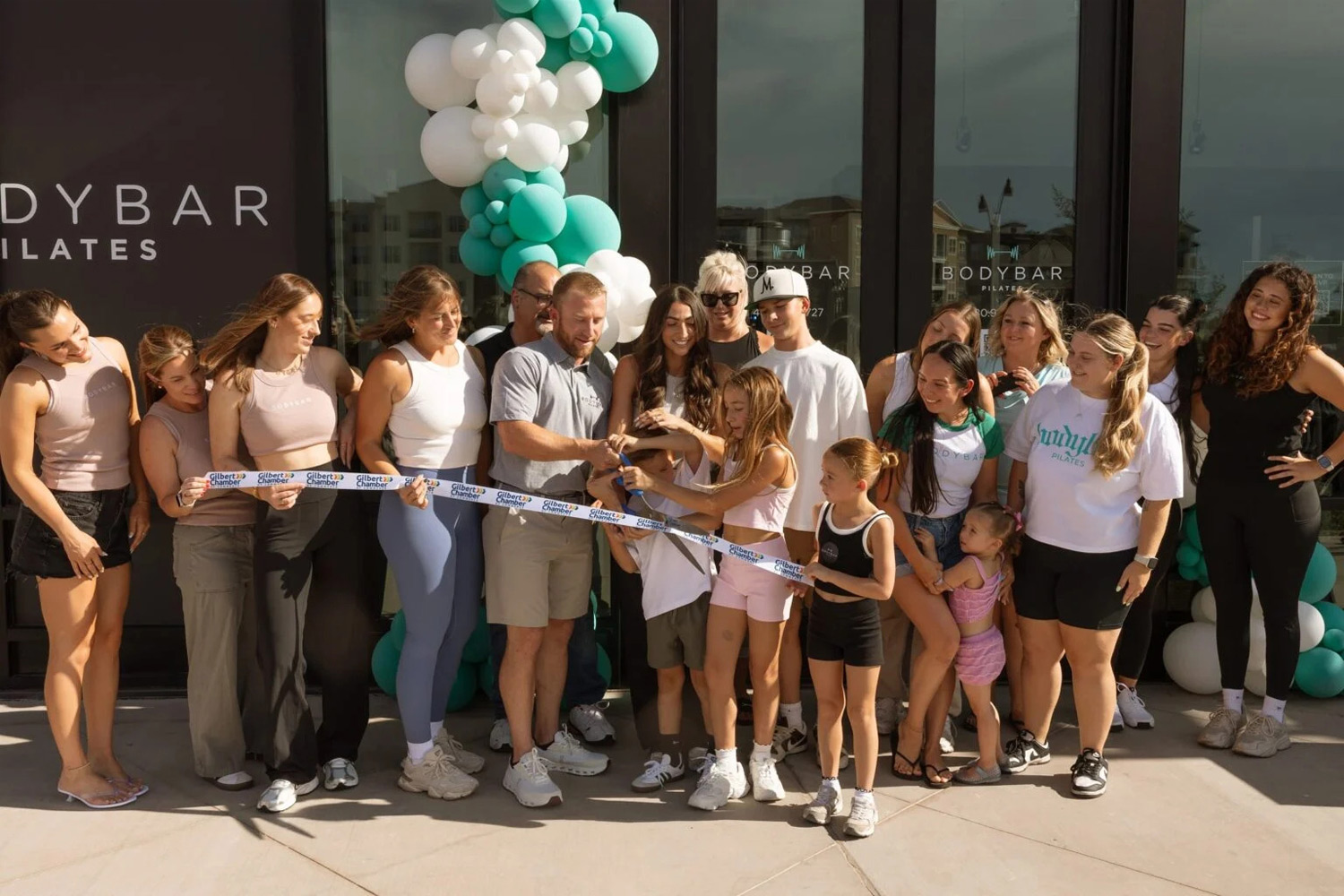
The other thing BODYBAR does well is unglamorous, and most operators underinvest in it badly.
They treat first-visit anxiety as an operational problem with an operational solution. Their first-timer guide says plainly that walking into a new reformer class can feel intimidating and that you are not the only one who feels it. Then it removes every unknown a nervous person might be carrying. Reserve your spot. Arrive ten to fifteen minutes early for a quick intro. Bring comfortable clothes, water, and grip socks. Here is what the class will be like. Here is what to do afterward.
None of that is sophisticated. All of it is the difference between a trial member who returns and one who does not.
Reformer Pilates carries a particular version of this barrier, because the equipment is genuinely unfamiliar to a newcomer in a way a dumbbell is not. A person who has never seen a reformer does not know how to get on it, and the fear of looking foolish in front of a room keeps a measurable number of interested people from ever booking. BODYBAR built the answer into the operation instead of leaving it to whichever instructor happened to be at the desk.
Every operator should be able to name what their own version of that barrier is. Most cannot.
What the Owners Are Actually Buying

The franchise numbers tell a story on their own. There are more owners than studios, which points to a development pipeline of signed agreements ahead of open doors and to ownership groups holding multiple units. For a brand at this stage, that ratio usually reflects owners who opened one location and then committed to another.
What draws those owners is worth understanding, because it is not only the unit economics.
“As someone who always wanted to own my own business, I am in love with BODYBAR. Not only does BODYBAR provide an opportunity to workout, but it also has a true sense of community, allowing everyone to meet new friends and feel like they can fit in.”
— Ashley Van Emmerik, BODYBAR Utah Owner
Read that again as an operator rather than as a member. She is describing the product and the reason she bought it in the same breath. In her mind, the community is not a benefit sitting alongside the workout. It is the thing she is selling.
That alignment matters more than franchise brochures suggest. An owner who believes in the room will run the room differently, and members feel the difference within a visit or two.
“At BODYBAR Pilates, we look for owners who love health, wellness, and people, and who are coachable. Owning your own business is not always easy, and there is a lot of work to do. We’ve spent years building playbooks that work, and the owners who win are the ones who trust those documents and hold their staff accountable. The ones that struggle typically are trying to reinvent something we’ve already solved.”
— Kamille McCollum, Owner and President, BODYBAR Pilates
The Consistency Problem Every Multi-Unit Operator Faces
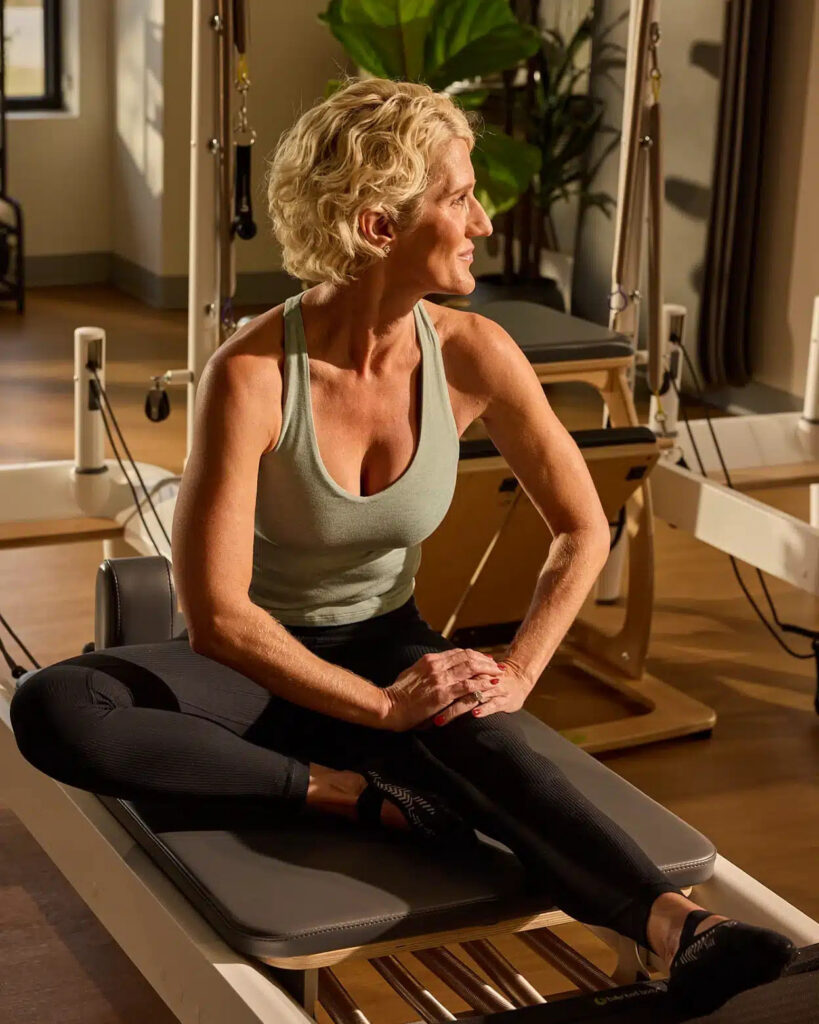
Growing across over 30 states creates the problem that eventually humbles every expanding brand: the experience has to feel the same in Utah as it does anywhere else.
BODYBAR’s stated approach addresses this in three pieces. Form-forward coaching with clear cues, smart progressions, and options that meet a member where they are. Athletic programming built for strength, stability, and endurance without high-impact strain. And consistency in the class formats themselves, familiar enough that a member can master them while varied enough to keep progressing.
That third piece is the one operators tend to get wrong in both directions. Change the formats constantly and members never build competence, which is the actual source of confidence and the reason they stay. Never change anything and they get bored and drift. The narrow band between those two failures is where retention lives, and finding it is a programming decision most studios make by accident.
“As we grow, we are constantly being innovative with our training and support. The workout is one of the things I am most passionate about, so I am always working closely with our Fitness Department. We have produced an instructor app that allows instructors to build their class plans within the framework of the BODYBAR Method. Our HQ support team focuses on supporting our owners, and we have a team member at every new location that opens.”
— Kamille McCollum
What an Operator Can Take From This
You do not need to be in Pilates for any of this to be useful.
Look at how your facility is positioned and ask whether you are selling what a client is escaping or what they are building. The first has a natural expiration date and the second does not. Then look honestly at the moment a nervous first-timer walks through your door and count how many unknowns you have left sitting in front of them.
BODYBAR grew to 100 studios by taking a category everyone had agreed was gentle and deciding it could be hard, then making sure nobody felt stupid walking into it. Those two moves are not specific to reformers. They are available to almost any operator willing to look at their own positioning with the same honesty.
Related: The Hiring Signal Most Operators Miss Until It Is Too Late
FitHire — Browse Studio Operations and Instructor Roles
The studios setting the standard in boutique fitness are the ones investing in instruction quality and member experience at every location. FitHire by Coach360 connects instructors and operations professionals with the brands building something worth joining.
Frequently Asked Questions
What is BODYBAR Pilates?
BODYBAR Pilates is a modern Reformer Pilates studio and boutique fitness brand built around strength, form, and community. Its small-group reformer classes are led by specially trained instructors and designed to accommodate every fitness level, including complete beginners. The brand’s method blends the precision of Reformer Pilates with a more athletic, hands-on approach, focusing on strength, stability, and endurance without high-impact strain. By the end of the year, BODYBAR will operate 93 studios across 25 states with 113 franchise owners.
How is BODYBAR different from traditional Pilates studios?
The primary difference is positioning. Where much of the Pilates category has historically been marketed as a gentle or restorative option, BODYBAR frames its classes as athletic and strength-building. That shift changes both who the studio attracts and how long members stay: strength training has no natural end point the way recovery-oriented Pilates does. The programming emphasizes form-forward coaching, progressive challenges, and class formats consistent enough for members to master while varied enough to keep them progressing.
What should operators learn from BODYBAR’s approach to first-time visitors?
BODYBAR treats first-visit anxiety as an operational problem rather than a personal one. Its teams recognize that walking into a new reformer class can feel intimidating, then eliminate the unknowns by specifying what to expect before, during, and after class, what to bring, and how to choose a first class. Reformer Pilates carries a heightened version of this barrier because the equipment is unfamiliar to newcomers. Any operator can apply the same principle by identifying their own facility’s intimidation barrier and building the answer into the operation rather than leaving it to whoever is at the front desk.
What does BODYBAR franchise ownership involve?
BODYBAR supports franchise owners from the first conversation through opening day and beyond. The brand currently has 127 franchise owners across 204 territories, a ratio that reflects both signed development agreements ahead of openings and existing owners expanding into additional units. Owners frequently cite the community aspect of the brand alongside the business opportunity, which matters operationally, since an owner who believes in the studio culture tends to run the room differently than one who views it purely as a transaction.
Jessica H. Maurer covers Club & Studio operations for Coach360News.
About Jessica H. Maurer
Jessica is a recognized fitness business consultant and strategist focusing on transforming businesses from overwhelmed to organized. Her international presentations, workshops, certifications, and consultations underscore her commitment to helping fitness professionals and businesses realize their full potential. When Jessica takes the stage, she’s sharing fresh ideas and inspiration that spark positive change. Jessica’s international presentations and consultations are about growth, career transformation, overall wellness, and making fitness a joyful journey. Her expertise spans education, program and instructor development, and brand evolution, making her a key player in elevating the industry. Jessica also played a pivotal role in developing the Mental Well-being Association’s certification for Fitness Professionals., always striving to bring a holistic approach to wellness that’s as uplifting as it is effective.
Jessica has presented at prestigious events like IDEA World, Fitnessfest ACSM Health & Fitness Summit, SCW Mania, AsiaFit, and more. She has worked with brands such as FIT4MOM, SFR, BOSU, Lebert Fitness, Savvier Fitness, SCW Fitness, FitSteps, canfitpro, IDEA, and VIBES music. She also has written content for the IDEA Fitness Journal, canfitpro Magazine, Mental Well-being Association, FIT4MOM, Motherly, and more.
Dead Time as a Design Problem: How Amber Toole Filled Her Off-Peak Hours
When I walk into group fitness studios on Tuesday at 2 p.m., the lights are on, the equipment is clean, and an instructor is folding towels near the front desk. But the floor is empty.
The hours between your morning rush and your evening crowd are draining your boutique fitness studio’s off-peak revenue every single week. Most studio owners are not thinking about them. Amber Toole thought about it and decided to do something.
Amber Toole is the founder of The Training Toole, a fitness and wellness operation built around two connected locations in Ocala, Florida. The original studio offers strength-based classes, HIIT, mobility, and running. The Pilates studio runs Reformer classes. What Toole built is not a story about adding Pilates. It is a story about reading a gap clearly enough to know what to put in it.
Toole figured out that the off-peak problem was never a pricing problem. It was a format and offering problem. If you have been ignoring your dead hours, her story is for you.
The Dead-Time Revenue Audit
Start with what your calendar is actually telling you. Toole watched her pattern for years before she acted on it.
“The early morning and evening classes were always strong for us. 5:45 in the morning and 5:30 in the evening are consistently filled. But the hours between about 9:00 a.m. and early afternoon were a different story. I watched that pattern for years. It wasn’t that people didn’t want to come in during those hours. It was that the type of workout we were offering didn’t match what that client needed at that time of day.”
AMBER TOOLE. FOUNDER. THE TRAINING TOOLE
Auditing dead time is not about finding hours that need more marketing. It is about finding hours where the format does not fit the client. The honest cost of this work is not financial. It is the decision to treat your calendar as a design problem rather than a scheduling inconvenience — and most operators never make that shift.
The Format-Hour Matching Framework
Once Toole identified that the midmorning hours needed a different format, the next question was which one.
“Our clientele is mostly over 50 with a range of needs. Some are still in the workforce and need the early hours for working out, while others are retired and prefer to work out a little later in the morning or early afternoon. Many of our retirees also have past and current injuries that need to be considered when working out. We found that offering a low-impact, very small class was a much more effective and safer experience for them. They needed something more focused and personalized.”
AMBER TOOLE. FOUNDER. THE TRAINING TOOLE
To find the format that fits, start with the client available at that hour. Then match the energy level. Then find the coach who can deliver it. Her existing client base skewed toward active aging, and her midmorning hours were structurally quiet. Reformer Pilates classes were the right fit for her dead hours.
The format is not always Pilates. For your studio, it might be mobility work, small group personal training, yoga, or a recovery-focused class. Pick the format that fits the hour, the client, and the expertise already in your building. Popularity is the wrong filter.
The Off-Peak Client Profile
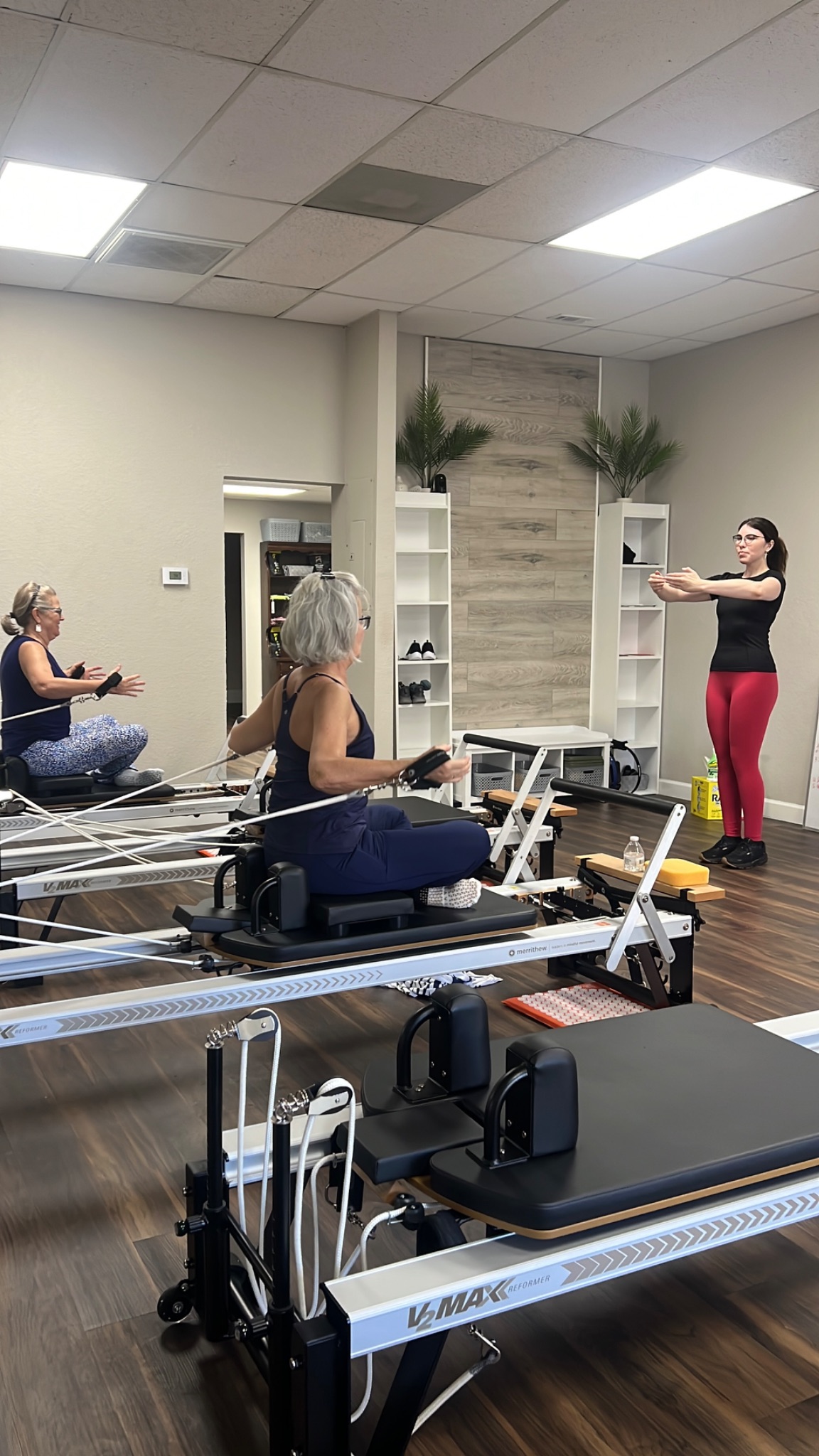
There is a client in your market right now who cannot use your peak-hour programming. The active aging population is the clearest example. Clients in their fifties and sixties often have the most scheduling flexibility during the hours your studio sits empty. They are looking for programming that meets them where their bodies actually are.
“Many of my clients over fifty have flexible schedules and offering Pilates classes and privates during those dead times helped us serve that population while also making better use of hours that would otherwise go underutilized. Pilates turned out to be a perfect fit for that group because it focuses on alignment, strength, mobility, and control. It’s also incredibly valuable for people who are coming out of physical therapy or recovering from injuries or surgeries. Pilates helps bridge that gap between rehabilitation and regular exercise by rebuilding strength and stability in a very controlled and safe way.”
AMBER TOOLE. FOUNDER. THE TRAINING TOOLE
This target market is also one of the highest-retention populations in fitness. When you give them a format that fits their body and a schedule that fits their life, they stay.
The Cost of Dead Time Is Invisible Until You Calculate It
Opening a second format costs real money. Equipment is expensive. Certified instructors take time and investment to develop. Toole opened her separate location four doors from her original studio, with a second lease and more overhead.
“Opening the Pilates studio was definitely an investment. Reformers are not inexpensive, and neither is the training required to teach the method correctly. I wasn’t guessing. I knew there was a client population looking for thoughtful instruction that focuses on alignment, strength, and moving well. I believed that if we built it well, those hours would fill naturally. Ocala actually has plenty of places to work out. What I saw was an opportunity to offer programming that was especially focused on quality instruction and the needs of our active aging population.”
AMBER TOOLE. FOUNDER. THE TRAINING TOOLE
Dead hours are not free. The lease runs during that time. The only thing missing is revenue. When you add that up across a full week and then a full year, the cost of doing nothing tends to be larger than the cost of doing something. That is the number most operators never run, and it is the one that changes the conversation.
“The Pilates studio didn’t just fill the mid-morning hours; it attracted an entirely different type of client. It also introduced a new form of movement for many of our existing clients, helping them progress toward their goals in ways we hadn’t been able to offer before. Although the Pilates studio was certainly a financial investment, what I wish I had known ahead of time is how quickly it would grow. If I could go back, I probably would have planned for more space from the start, because once people experience Pilates that’s taught true to Joseph Pilates’ original method, they begin to understand just how powerful it can be.”
AMBER TOOLE. FOUNDER. THE TRAINING TOOLE
What to Do Before You Choose a Format
Toole’s solution fit her building, her clients, and her certifications. It will not be the right answer for every operator. The framework transfers even when the specific format does not.
“What I would tell another studio owner about filling dead hours is to look for a format that complements what you already offer rather than trying to force your current programming into those times. Start with a business plan and really consider all the costs involved with adding a new format. Once you understand those numbers, you can determine how many clients you need to support it and how to price the classes appropriately. When it’s done thoughtfully, it becomes an opportunity not only to serve your current clients better, but also to attract new clients who need exactly what you’re offering.”
AMBER TOOLE. FOUNDER. THE TRAINING TOOLE
Run your dead-time audit first. Map the dead hours. Identify who is available at those times. Then match a format your team can already deliver. The answer is usually already inside your building. Toole found hers four doors down.
FOR STUDIO OPERATORS READY TO FILL THEIR DEAD HOURS
FitHire by Coach360 connects studio operators with coaches who specialize in active aging and off-peak programming. FitHire by Coach360 is where operators who are done accepting dead time look first.
Frequently Asked Questions
What is studio dead time, and how does it affect fitness business revenue?
Studio dead time refers to off-peak hours when classes do not fill and sessions are not booked. These hours typically fall between the morning and evening peaks that drive most group fitness attendance. Fixed costs — including lease, utilities, and staff availability — continue regardless of whether the studio is generating revenue.
How did Amber Toole use Reformer Pilates to fill off-peak studio hours?
Toole opened a dedicated Reformer Pilates studio four doors from her original fitness facility in Ocala, Florida. Rather than discounting off-peak hours to attract clients to existing programming, she found that the midmorning and early afternoon hours her group fitness formats could not fill were structurally suited to a different kind of session: lower-intensity, technique-driven, and appealing to a client population with more scheduling flexibility during those hours.
What client population is most likely to use fitness studio off-peak hours?
The active aging population — clients in their fifties, sixties, and beyond — typically has the most scheduling flexibility during midmorning and early afternoon hours. Lower-intensity, technique-focused formats including Reformer Pilates, mobility training, and yoga match both the available hours and the physiological needs of this population.
What formats work best for filling off-peak hours in a boutique fitness studio?
The right format depends on the specific hours being filled, the existing client base, and the operator’s certification and expertise. Formats that tend to perform well during midmorning hours share common characteristics: lower intensity than peak-hour programming, a high degree of individual attention, and appeal to clients with flexible daytime schedules. The format decision matters less than the prior decision to treat the off-peak hours as a solvable problem rather than an accepted gap.
About Jessica H. Maurer
Jessica is a recognized fitness business consultant and strategist focusing on transforming businesses from overwhelmed to organized. Her international presentations, workshops, certifications, and consultations underscore her commitment to helping fitness professionals and businesses realize their full potential. When Jessica takes the stage, she’s sharing fresh ideas and inspiration that spark positive change. Jessica’s international presentations and consultations are about growth, career transformation, overall wellness, and making fitness a joyful journey. Her expertise spans education, program and instructor development, and brand evolution, making her a key player in elevating the industry. Jessica also played a pivotal role in developing the Mental Well-being Association’s certification for Fitness Professionals., always striving to bring a holistic approach to wellness that’s as uplifting as it is effective.
Jessica has presented at prestigious events like IDEA World, Fitnessfest ACSM Health & Fitness Summit, SCW Mania, AsiaFit, and more. She has worked with brands such as FIT4MOM, SFR, BOSU, Lebert Fitness, Savvier Fitness, SCW Fitness, FitSteps, canfitpro, IDEA, and VIBES music. She also has written content for the IDEA Fitness Journal, canfitpro Magazine, Mental Well-being Association, FIT4MOM, Motherly, and more.


Subscribe to our Newsletter
Powering the Business of Health, Fitness, and Wellness Coaching