All Categories
All Categories

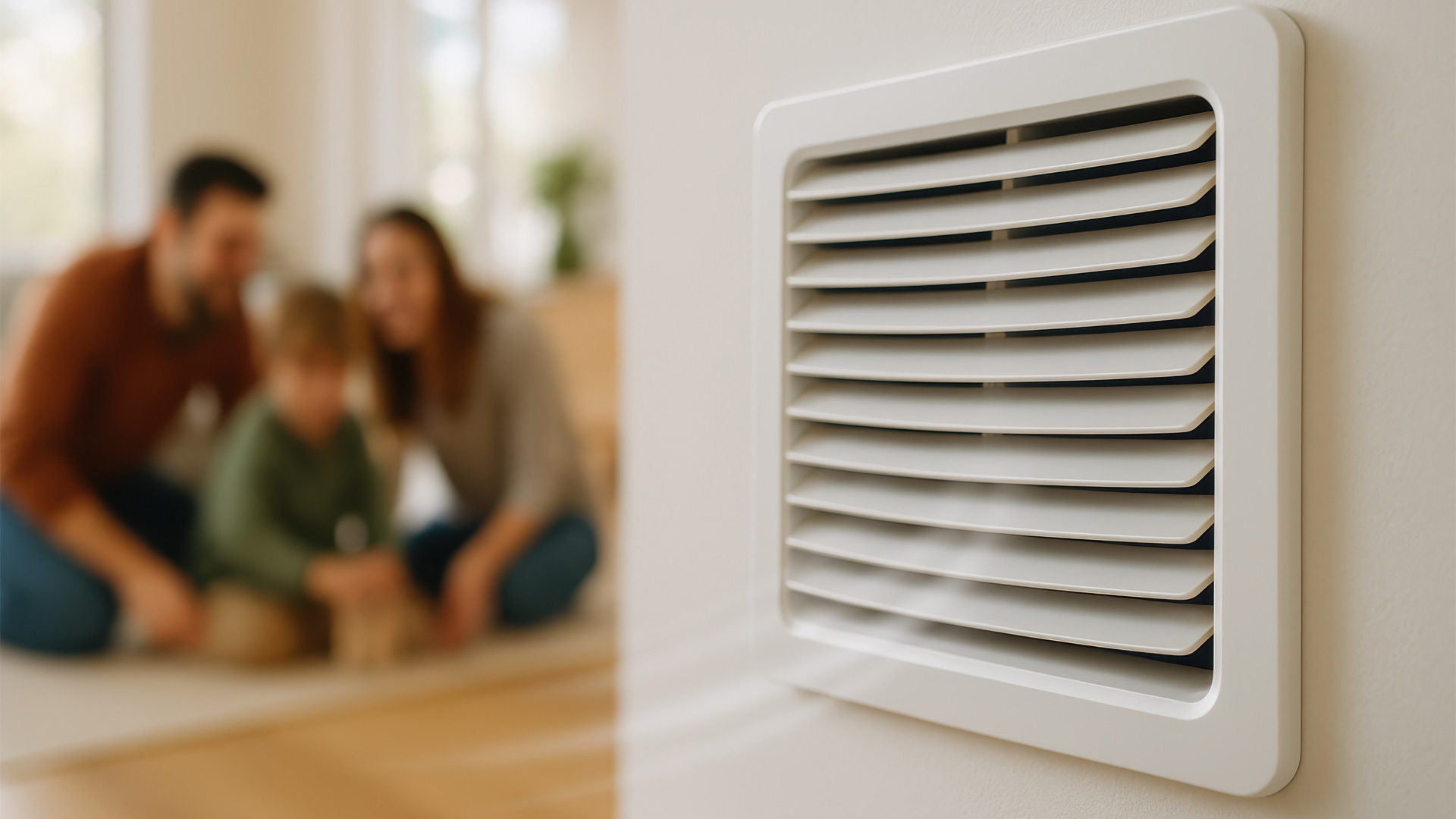
The spaces we occupy shape our wellbeing in ways that go beyond our everyday imagination. Environmental health examines how our surroundings—the air we breathe, the water we drink, the things we touch and put on our bodies—impact our physical state. While we can’t control outdoor pollution or city water treatment, we hold considerable power over our indoor environments. Small, deliberate changes in our homes can reduce exposure to chemicals and toxins that accumulate over time.
Creating a healthier home doesn’t require a complete overhaul or expensive renovations. Simple swaps and additions can significantly improve the quality of your indoor environment. Whether you’re dealing with allergies, respiratory sensitivities, or simply want to minimize your exposure to toxins, these practical adjustments offer a starting point for building a cleaner living space.
Environmental health focuses on how external factors in our surroundings affect our bodies and health. This includes everything from the chemicals in cleaning products to the quality of the water flowing through our taps. Unlike genetic factors or lifestyle choices, environmental elements can (to an extent) be modified once we identify them.
Indoor air can contain two to five times more pollutants than outdoor air, according to EPA research. These pollutants come from everyday sources like furniture off-gassing, synthetic fragrances, cleaning agents, and even the dust that settles on surfaces. Water quality varies, with aging pipes and treatment processes introducing their own set of concerns. Using EWG’s database for tap water, you can see the levels of pollutants like arsenic and lead in your tap water. Practicing good environmental health habits means making conscious decisions about what enters your home and what stays.
While perfection and living a fully non-toxic lifestyle isn’t a reality, there are steps you can take to dramatically reduce your exposure to these harmful chemicals which can lead to infertility, cancer, and other diseases. Lowering your overall exposure to substances that may compromise your health over time is fairly easy with the right education and understanding. It’s all about making small, consistent changes that create meaningful impact without overwhelming your budget or daily routine.
A quality water filtration system addresses contaminants that may be lurking in your tap water. Reverse osmosis systems remove heavy metals, chlorine, and other dissolved solids, while activated carbon filters handle chlorine and organic compounds. Pitcher filters offer an affordable entry point, though under-sink and whole-house systems provide more comprehensive coverage. You can also go to water stores, where you can buy five gallons of water for less than a 12-pack of plastic water bottles—a triple win for cleaner water, less microplastics, and an affordable price point.
Air purifiers with HEPA filters capture particles as small as 0.3 microns, including dust, pollen, mold spores, and pet dander. Look for models with activated carbon filters to handle odors and volatile organic compounds. Place units in bedrooms and main living areas where you spend the most time. Change filters according to manufacturer guidelines as a clogged filter doesn’t make a difference in the safety of your air quality.
Certain plants naturally filter indoor air. Snake plants and pothos remove formaldehyde and benzene. Spider plants tackle carbon monoxide and xylene. Peace lilies absorb ammonia and trichloroethylene. While you’d need numerous plants to match a mechanical air purifier’s output, they add humidity and oxygen while removing small amounts of airborne chemicals, not to mention, the uplift in vibe of any room filled with plants.
Ditch synthetic fragrances found in commercial candles, air fresheners, and plug-ins. These products release phthalates and other compounds linked to hormone disruption and respiratory issues. Fresh flowers, herbs in small pots, or bowls of dried lavender and rosemary provide subtle, natural scents.
Replace conventional all-purpose cleaners with white vinegar diluted with water (1:1 ratio). Add lemon juice for cutting grease or a few drops of tea tree oil for antimicrobial properties. Baking soda works as a gentle abrasive for sinks, tubs, and countertops. Mix it with water to form a paste for tougher stains.
Swap commercial glass cleaners for a mixture of water, vinegar, and a splash of rubbing alcohol in a spray bottle. Use microfiber cloths instead of paper towels—they clean effectively with just water and reduce waste. For laundry, choose fragrance-free detergents or make your own with washing soda, borax, and castile soap. Skip fabric softeners and dryer sheets entirely; wool dryer balls soften clothes without chemical residue.
Look for products certified by Environmental Working Group or made with plant-based ingredients. EWG’s database gives you a full rundown of ingredients, their toxicity rating on a scale from one to 10, and it’s free to use. You can also use the increasingly popular Yuka app, which does require you to pay, but is an easy and effective way to know if your products or food is laced with hidden chemicals.
Your home represents your primary environment—the place where you spend the majority of your time, where your body rests and recovers. The cumulative effect of daily exposure to chemicals, pollutants, and toxins adds up over months and years. Making intentional choices about what you bring into this space is a form of self-care and is an often overlooked portion of overall health.
You don’t need a complete renovation or a large budget to start improving your environmental health. A water filter here, a plant there, swapping one cleaning product at a time are ways to make incremental adjustments with major benefits. Each small decision compounds, creating a living space that supports your health and doesn’t undermine the hard work you put in to taking care of your health in all of the other ways.
About Elisa Edelstein
Elisa is a curious and versatile writer, carving her niche in the health and wellness industry since 2015. Her lens is rooted in real world experience as a personal trainer and competitive bodybuilder and extended out of the gym and on to the page as a writer where she is able to combine her passions for empowering others, promoting wellness, and the power of the written word.

By Robert James Rivera

By Robert James Rivera

By Coach360 Staff

By Robert James Rivera

By Coach360 Staff

By Elisa Edelstein



Powering the Business of Health, Fitness, and Wellness Coaching