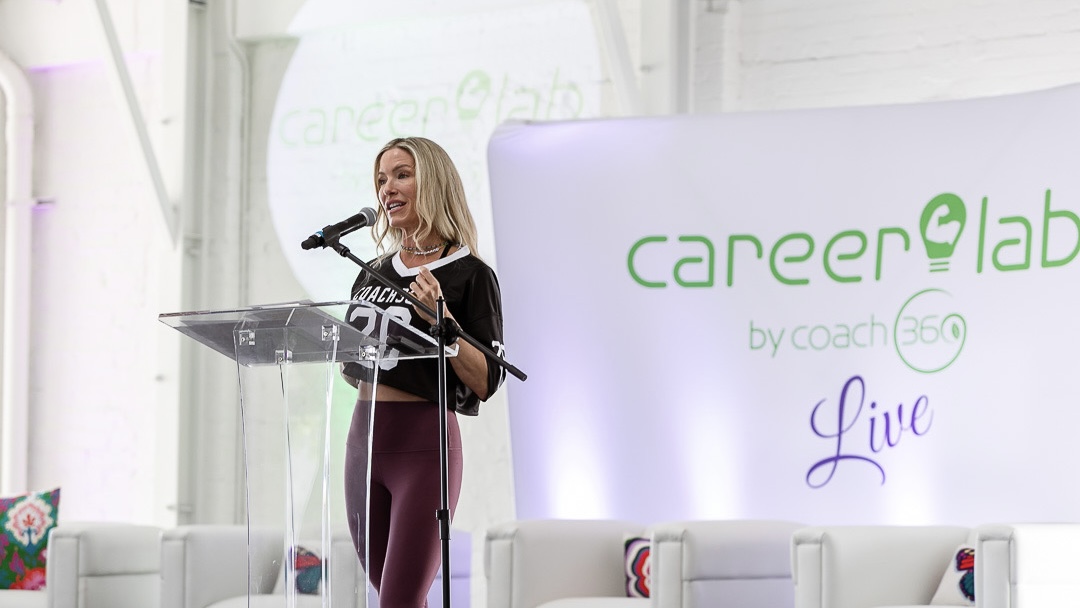



I watched coaches move from early movement sessions into hallway conversations and panels where the questions got sharper. The room stopped feeling like a conference and started feeling like a working lab. That shift is the center of this Career Lab by Coach360 LIVE from Las Vegas 2026 recap.
“Whatever brought you here…
Whatever you’re carrying…
Whatever version of yourself you’ve been trying to hide…
Today, I want to give you permission.
Forgive who you were.
Honor everything that got you here.
And fully embrace who you’re becoming.”— Kathleen Ferguson, Founder & CEO, Coach360
Across two days, the conversations kept circling back to career growth, trust, technology, leadership, athlete longevity, and what comes after the next session.
You can take the same questions back to your own coaching. What do you want to be known for? Where does your system need better follow-up? What should success look like after the current goal ends?
Day 1: Career Growth Became a Practical Conversation
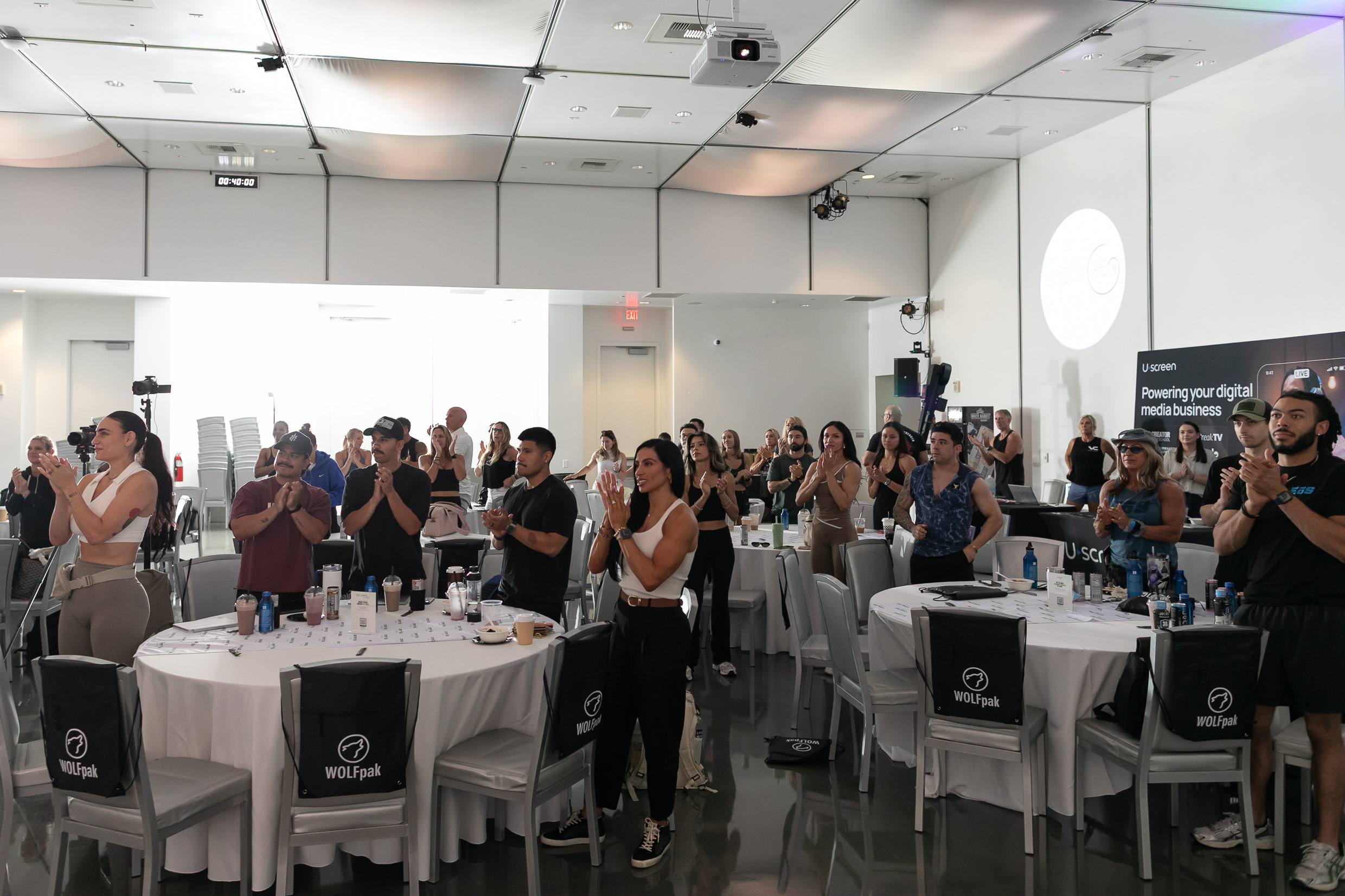
Day 1 opened with ASCEND, powered by VersaClimber, followed by a breakfast networking experience built for real connection between coaches, brands, and industry leaders. The energy mattered, but the value came from what happened after people started talking.
Event partner Naboso works the same ground the morning sessions did. Its textured insoles and mats are built to stimulate the proprioceptors on the bottom of the foot, which is a movement-quality problem before it is a performance one.
From there, the day moved into the practical side of career growth. The conversations kept returning to questions every serious coach eventually has to answer.
- How do you earn trust early?
- How do you get noticed for the right reasons?
- How do you build authority without turning your coaching into a performance?
- How do you use tools, data, and systems without losing the human side of the work?
David Van Daff, Vice President, Industry Development & Public Affairs at the National Academy of Sports Medicine (NASM), brought the career conversation back to daily behavior. For him, professionalism and preparation are not soft ideas. They shape how a coach is seen, trusted, and given responsibility.
“There are three things that are critically important for every personal trainer, and it starts with professionalism. Treat it like a career.”
— David Van Daff, Vice President, Industry Development & Public Affairs, National Academy of Sports Medicine
Van Daff also stressed preparedness, weekly planning, follow-up, and speaking like a professional. This fit the tone of Day 1. The room was not only talking about getting hired. It was talking about becoming someone worth trusting with bigger work.
The panels covered how coaches build authority, income, and opportunity beyond one-to-one sessions. They also examined technology, recovery, long-term health, and how hiring, promotion, and pay decisions happen behind closed doors.
The breakout sessions pushed the same thread forward, with conversations on personal brand, AI, ownership mindset, influence, and scalable coaching businesses. Leverage beyond booked sessions turns out to be a delivery question before it is a marketing one, and the room kept circling back to what to build it on. Event partners Uscreen and Exercise.com, part of Daxko, sit on either side of that answer, one handling video and membership, the other running the software underneath the business.
Fraser Quelch, Co-Founder of TRX and Co-Founder of OutFit, spoke to the importance of building from values before building from tactics. His point was clear: teams do not build strong brands by chasing whatever is trending. They build them from what they believe, protect, and repeat.
“When we were starting TRX training, we sat in a room and asked, ‘What do we believe in? What are the things we create around here?’ The words still hold true to this day: fun, authentic, competitive, effective, united, and physical. Those values became what the brand should be.”
— Fraser Quelch, Co-Founder, TRX and OutFit
That was one of the strongest through-lines of the day. Coaches who want long-term opportunity need more than visibility. They need standards, clarity, and a way of working that people can recognize under pressure.
Day 2: Physique and Bodybuilding Coaching Expanded Beyond the Stage
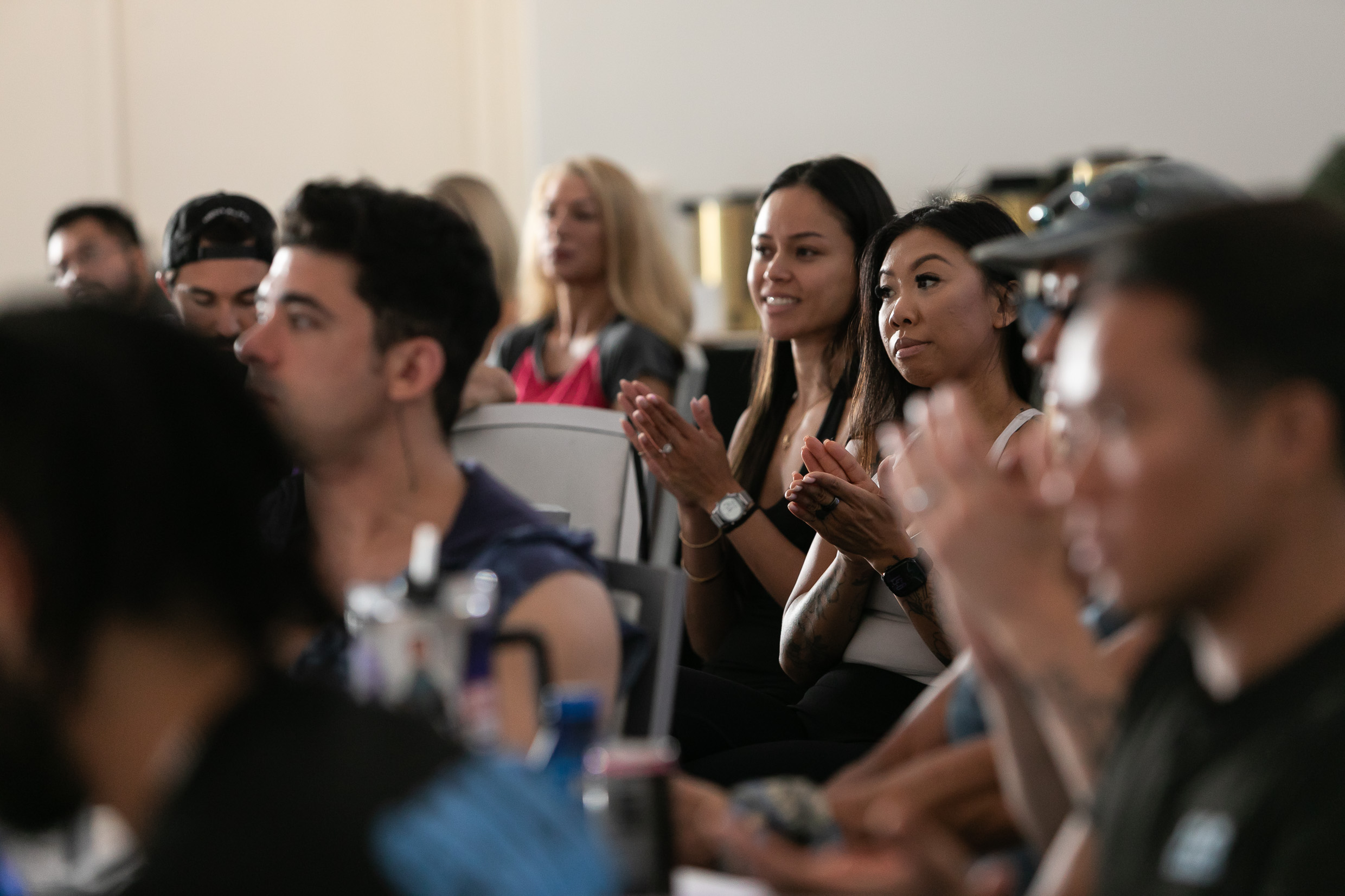
Day 2 shifted the room toward performance, physique coaching, leadership, athlete development, and the longer arc of a coaching career.
The bodybuilding and physique track added a sharper edge to this Career Lab by Coach360 LIVE from Las Vegas 2026 recap. The focus was no longer only how to prep an athlete for a stage. It was how to support the athlete before, during, and after the peak moment.
Day 2 covered coaching under pressure, athlete expectations, communication, accountability, recovery, fatigue management, biomarkers, GLP-1s, and hormone health. The conversations also examined the responsibility coaches carry when working with high-level athletes.
Two event partners sit inside that conversation. Jocko Fuel works the fueling and supplement side. Halo Nutratherapy takes a different route, delivering nutraceutical compounds through an inhaled pharmaceutical-salt device rather than pills or IVs.
Another major theme was influence beyond competition. Competitive success creates attention, but attention does not become a career on its own. Coaches and athletes still need business development, education, credibility, community, and a plan for what happens when the stage stops being the center of the story.
The Beyond Coaching conversation looked at how coaches turn results and competitive credibility into brands, partnerships, education, and businesses. The longevity conversations pushed the room to think beyond short-term output and into health, identity, recovery, and sustainable performance.
For physique, bodybuilding and performance coaches, that was the most important reminder of the weekend. The athlete is not only a body in prep. The athlete is a person with a next chapter.
What the Room Kept Returning To
Across both days, the same ideas kept showing up in different forms.
Identity comes before visibility. Coaches build trust through behavior, follow-through, and judgment. Technology should improve decisions, not create distance. A strong coaching career needs leverage beyond booked sessions. High-level coaching includes knowing the limits of your scope. Competitive success needs a plan for health, business, and identity after the stage.
For anyone looking for a fitness coach summit Las Vegas recap, the clearest message was this: technical knowledge still matters, but it no longer carries a career by itself.
Coaches still need skill. They also need clarity, communication, systems, and the ability to think past the next session.
Three Things Every Coach Should Carry Home
1. Know What You Want To Be Known For
A coach should be able to explain who they serve, what problem they solve, and what standard guides their work. Credentials can open a door, but clarity and trust decide what happens after that.
Andrea Corleto, CEO and Founder of Altro Health, made that point directly. Her message was that coaches and brands cannot build trust by trying to serve everyone.
“The most important thing is to decide who you are for and who you are not for.”
— Andrea Corleto, CEO and Founder, Altro Health
That is a hard lesson for many coaches, because saying yes to every client can feel safer at first. Here is the tradeoff the room kept naming. Narrowing who you serve costs you inquiries in the short term, and some of those inquiries would have paid. What you buy with that loss is a reputation people can repeat accurately, which is what sends the right clients and the right employers to you later. The coaches who grow are usually the ones who become easier to understand.
“If you are for everyone, then you are for no one.”
— Andrea Corleto, CEO and Founder, Altro Health
Action: Write one sentence defining the clients you help and the change you help them create.
2. Build Systems That Make Your Coaching More Human
The best use of technology is to help the coach notice more, follow up better, and support the client between sessions.
Data, platforms, intake forms, programming tools, and AI all have a place. But the tool only matters if it improves the next coaching decision. Collecting more information does not help if no one knows what to do with it.
Event partner TrainHeroic sits at that decision point. A programming platform can hold every session a client has ever run, but the value only shows up when the coach uses that history to change what happens next. Your Reformer, another partner, moves the same idea into the class itself, pushing the plan onto studio screens through its InstructorPro app so the client can see what is coming instead of waiting to be told.
The challenge for coaches is to build systems that make the client feel more seen, not less.
Action: Review your current client workflow and identify one point where better follow-up could improve adherence or retention.
3. Coach for the Client’s Next Chapter
Day 2 made this especially clear. A coach’s responsibility does not end when the goal is reached, the event is over, or the competition season ends.
Recovery, identity, long-term health, referral decisions, and life after competition all belong in the conversation. Coaches who want lasting careers need to think beyond short-term wins and help clients build a future they can live inside.
What stayed with the room was not one presentation or one quote. It was the standard running through both days: the best coaches think past the next session. Give the client a direct question to work with: “What should success still look like six months after this goal?”
Action: Ask each client what success should still look like six or twelve months after the current goal is completed.
Related: The 5 Stages of a Coaching Career and How to Move Up Faster
FitHire: Find Your Next Coaching Role
This Career Lab by Coach360 LIVE from Las Vegas 2026 recap captures the event, but the value comes from what coaches do with the ideas after they return home. Career clarity matters most when it leads to action.
FAQ
What was Career Lab by Coach360 LIVE from Las Vegas 2026?
Career Lab by Coach360 LIVE from Las Vegas 2026 was a two-day Coach360 summit for fitness professionals, coaches, trainers, owners, and industry leaders. Day 1 focused on career growth, leadership, business, technology, and industry pathways. Day 2 focused on performance, physique coaching, athlete longevity, and coaching beyond competition.
What were the biggest themes from Career Lab?
The biggest themes were trust, clarity, career ownership, technology, business growth, and long-term coaching impact. Coaches were challenged to think beyond the next session, build stronger systems, and create careers that hold up as the industry changes.
Why did Career Lab include a bodybuilding and physique track?
The bodybuilding and physique track gave coaches a deeper look at high-performance coaching, athlete pressure, recovery, hormone health, identity, and life beyond the stage. It showed how physique coaching now extends into long-term health, leadership, and sustainable career development.
What should coaches take away from this Coach360 Career Lab recap July 2026?
Coaches should leave with three actions: define what they want to be known for, build systems that make coaching more human, and support clients beyond the current goal. The strongest careers are built on skill, clarity, follow-through, and trust.
About Robert James Rivera
Robert is a full-time freelance writer and editor specializing in the health niche and its ever-expanding sub-niches. As a food and nutrition scientist, he knows where to find the resources necessary to verify health claims.