


Before Business for Unicorns was a thing, Mark Fisher was the kid in gym class who could not sweat right. He would go bright red, get a headache, and end up lying down next to his mom while everyone else finished dodgeball. He wore two XL shirts because he felt painfully skinny.
Then one day, he found lifting. The weight room turned into a little sanctuary, the first place that felt safer than any locker room ever did.
Not only did that awkward kid from the South Jersey shore grow out of it, he also built something out of that experience. He became the co-founder of one of the strangest, most successful studios in the industry.
And then he did the thing most owners cannot even picture: he sold the gym that carried his name, stepped away from a multi-million-dollar machine, and went all in on helping other owners through Business for Unicorns.
From Theater Kid to Trainer With an Actor’s Survival Job
Mark did not come up as “the business guy.” He moved to New York with a BFA in musical theatre, no family money behind him, and personal training as the survival job between auditions. For a long time he lived in both worlds. Auditions, callbacks, side gigs on one side. Early sessions and late-night programming on the other.
And it did not flip because of one big, cinematic moment. It was more like his attention just kept sliding in one direction.
He started getting irritated when auditions landed on the calendar, because he would rather be watching training DVDs than rehearsing sides. Then he booked a national commercial and got that rare little cash bump. Instead of using it as fuel to chase more out-of-town acting work, he stayed in the city, leaned into TV and commercial gigs, and used the breathing room for something else.
He started to read business books: Good to Great. Delivering Happiness. Crush It.
Once that door opened, the acting and fitness balance could not hold. Fitness had already become the obsession. Entrepreneurship arrived as the missing piece. That mix, training plus business curiosity, pulled him toward ownership.
The Enchanted Ninja Clubhouse That Refused to Blend In
Mark met his future business partner, Michael Keeler, years earlier doing community theatre down the shore. Michael choreographed Godspell and Mark played Jesus.
Fast forward a bit and their paths looked nothing alike. Michael went into hospitality at the Four Seasons, then shifted into non-profit work and organizational psychology. Mark turned into the Broadway-adjacent trainer running a six-week body recomposition program for performers, taught in a rented rehearsal room at Roy Arias Studios.
Michael started hearing about it through the grapevine. He saw the emails. Friends did Snatched in Six Weeks and kept talking about it. Eventually he came up to New York to see it for himself.
And what he saw was a repeatable offer, a clear market, and a coach with an unusual amount of discipline. Meanwhile, Michael was starting to feel that familiar itch in corporate roles that did not fit anymore.
So they talked.
A lot.
Over a string of conversations, they pieced together what became Mark Fisher Fitness.
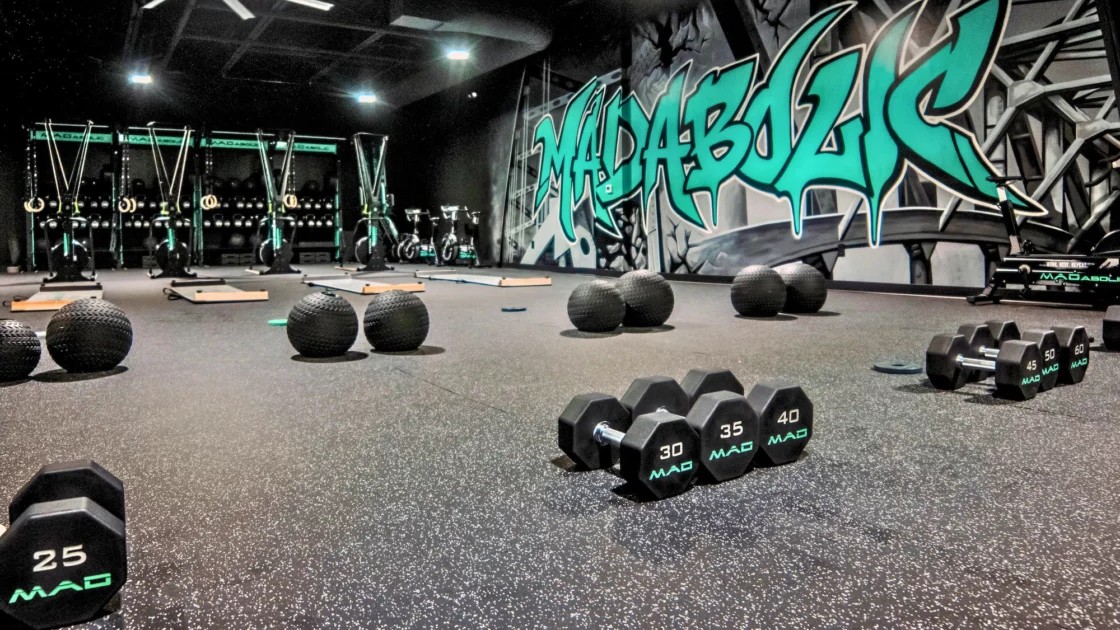
They opened the “Enchanted Ninja Clubhouse of Glory and Dreams” in Hell’s Kitchen with two full-time staff.
And the glitter, costumes, profanity, and radical inclusion were not window dressing. That was the whole deal.
Clients were Ninjas and Trainers were Unicorns.
Some people walked in, rolled their eyes, and walked right back out. Others walked in and felt, maybe for the first time, like a gym had actually been built for them.
Under all the absurdity were two real anchors: “Ridiculous Humans, Serious Fitness,” and the quieter value, “Infinite Heart.”
That is what shaped how they treated Ninjas and staff, and it is what set the tone for everything that came after.
Letting Go of the Gym With His Name on the Door
Success showed up, and it brought weight with it. The systems got more complicated. The service lines kept multiplying. Then the pandemic hit, in-person shut down for a long stretch, and they had to pivot hard into virtual classes and online content.
MFF made it through and, in a lot of ways, did more than just survive. The bill just came due later.
By 2024, Mark was living inside three businesses, managing too many clients, stretched across too many team members who needed time he did not have, and watching his parents’ health take a serious turn. Grief, responsibility, and day-to-day operational stress all hit at once. He had built the city he wanted to live in, but somehow there was not room left to actually live inside it.
He had already been stepping out of the daily owner operations for years. That slow fade made the sale less dramatic and more strange. There was not one big “last class” moment, no clean ceremonial goodbye. Instead, it was dozens of last times that did not feel like last times.
He sold Mark Fisher Fitness to Steve “Coach Fury” Holiner in that same year, a former MFF trainer and longtime Business for Unicorns client. Steve rebranded it as Speakeasy of Strength. Mark felt ready. The hardest part was the eerie absence of a single, clear ending.
What was left was gratitude, and the awareness that MFF gave him his entire professional life: the experience, the proof, and the relationships. And that foundation is what made the next move possible.
Business for Unicorns: Coaching the Owners, Not Just the Members
Business for Unicorns began alongside MFF in 2016. The idea was simple: most gym owners had nowhere to go for real mentorship that combined culture, operations, finance, and leadership in one place. Industry advice often felt vague or disconnected from the reality of running a studio.
Mark and Michael built Business for Unicorns using lessons from MFF, Michael’s background in hospitality and organizational psychology, and systems drawn from other high-performing facilities. The result was an owner-focused coaching company designed for people actually running gyms.
Today, BFU runs the Unicorn Society, where owners receive monthly one-to-one coaching, access to multiple live office-hour calls each week, and a growing library of playbooks and SOPs.
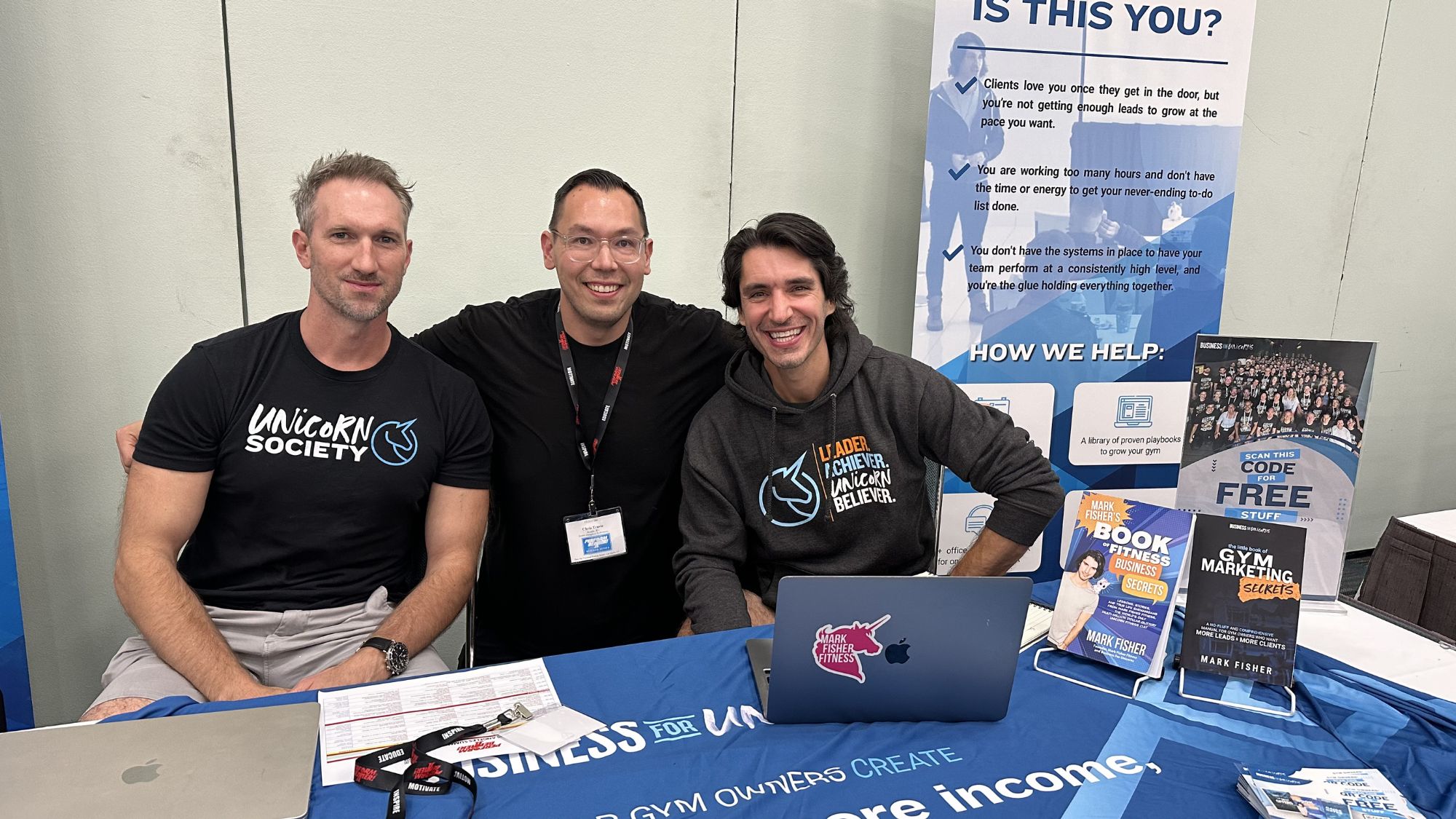
The coaching team extends beyond Mark and Michael. Operators like Pete Dupuis, co-founder of Cressey Sports Performance, and Ben Pickard, who ran Lean Strong Fitness profitably for a decade before becoming BFU’s COO, bring firsthand experience.
The outcomes BFU clients report are the kind many burned-out owners barely let themselves imagine. Revenue jumps that change the viability of a studio. Facilities doubling in size while profit grows instead of disappearing. Monthly revenue climbing from five figures into the tens of thousands. Owners taking multi-month parental leave without the business collapsing.
Mark’s message to the owner still coaching 30 hours a week is simple: identity has to shift. You cannot stay “the trainer who owns the LLC.” At some point you become the business owner and invest in skills beyond coaching: marketing, sales, leadership, finance, and systems.
That is where the work actually starts.
Culture for Misfits, Systems for Owners
MFF worked because it was a gym for people who never felt safe in gyms. Mark talks about the kid who eats lunch alone in a bathroom stall. The Ninja community was an answer to that: a home for misfits, performers, and outsiders who had spent years hovering at the edge of every “cool table.”
A lot of members worked in entertainment. They needed bodies that could handle eight shows a week, and a space that could handle the emotional whiplash that comes with that life.
For owners, the lesson is to get clear. You do not need a dragon loincloth photo shoot. What you do need to know is who you serve and what values you will actually hire and fire for. Culture comes from repeated behavior and real enforcement, not slogans.
Practically, values have to show up in staff meetings, performance reviews, and daily decisions. One simple move Mark uses is opening team meetings with a value and asking for real examples from the week. Over time, those stories define what “normal” is inside your four walls.
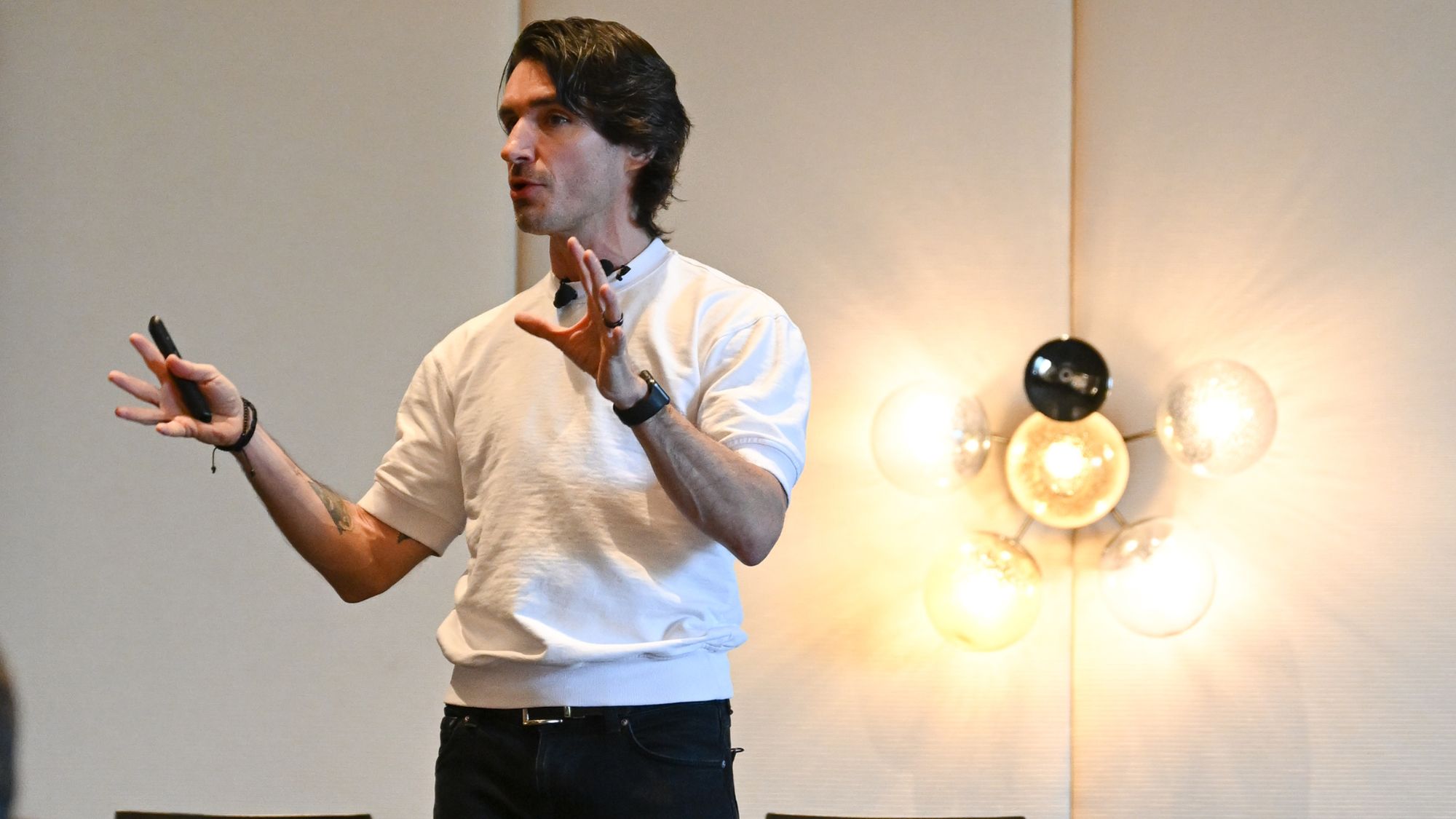
That is why BFU exists: for owners who want that kind of clarity but feel trapped in their schedule. Mark has lived the whole arc, and now helps other owners build the place they wish they had found.
Operators building teams around clear culture and coaching standards can explore hiring through FitHire by Coach360, where studios find coaches who align with the values that define how your gym actually runs.
Frequently Asked Questions
How did Business for Unicorns start?
Mark Fisher and Michael Keeler launched BFU in 2016 alongside Mark Fisher Fitness. They saw that most gym owners had no structured mentorship combining culture, operations, finance, and leadership. BFU was built from lessons learned running MFF, Michael’s hospitality and organizational psychology background, and systems from high-performing facilities across the industry.
What is the Unicorn Society?
The Unicorn Society is BFU’s flagship coaching program for gym owners. Members receive monthly one-to-one coaching, access to multiple live office-hour calls each week, and a library of playbooks and standard operating procedures. The coaching team includes operators with firsthand experience running profitable facilities, including Pete Dupuis (Cressey Sports Performance) and Ben Pickard (Lean Strong Fitness).
How do I know if I need a gym business coach?
If you are still coaching 30 or more hours a week and also running the business, your identity has not shifted yet. When operational decisions, hiring, marketing, and financial planning consistently take a back seat to sessions on the floor, that is the signal. A business coach helps you build systems so the gym runs without requiring you to be in every session and every decision.
About Robert James Rivera
Robert is a full-time freelance writer and editor specializing in the health niche and its ever-expanding sub-niches. As a food and nutrition scientist, he knows where to find the resources necessary to verify health claims.