All Categories
All Categories

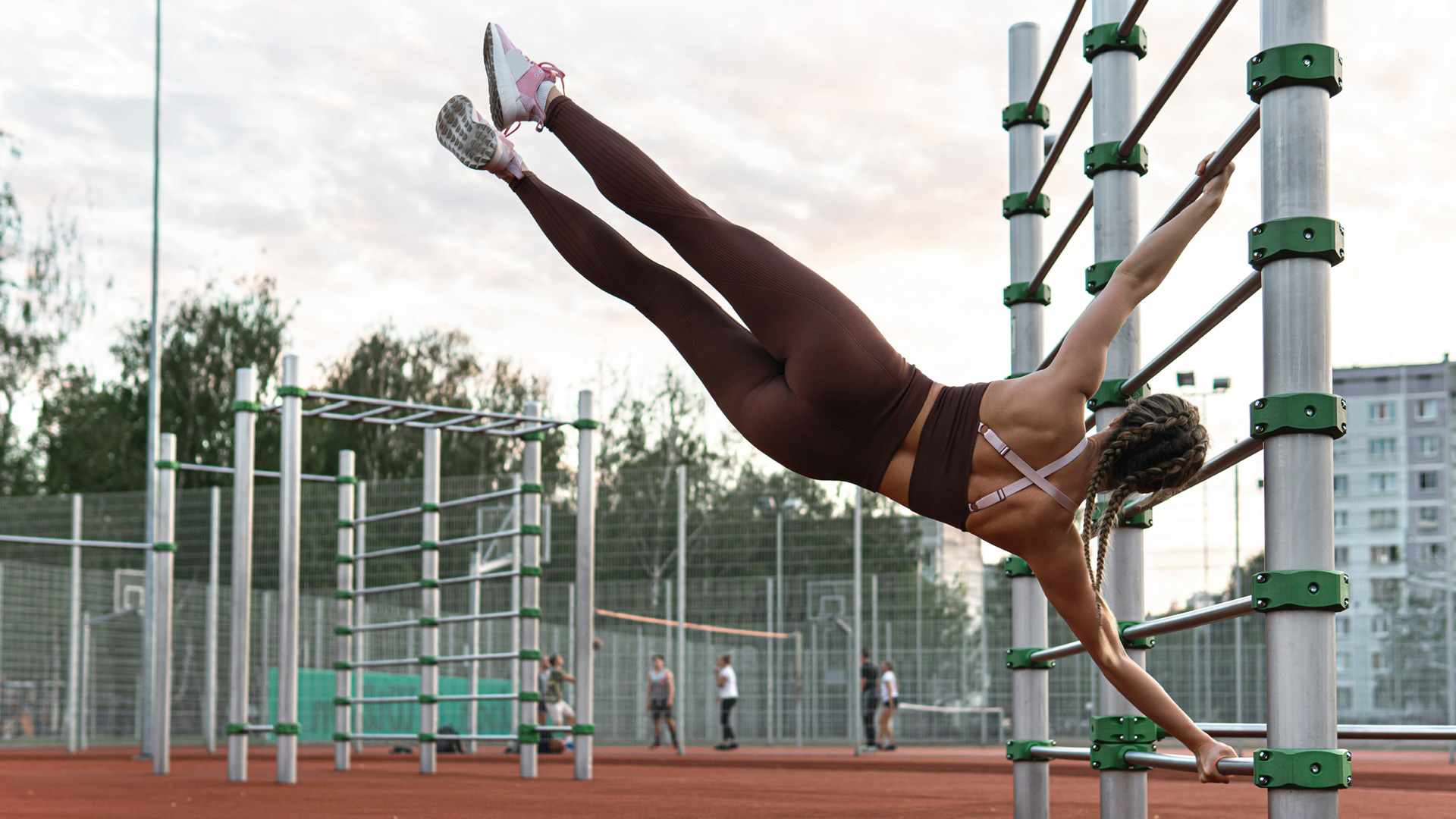
Gyms spent decades trying to outpace simplicity with machines, mirrors, metrics, and celebrity fitness programs that cost more than all your online subscriptions combined. Yet the new generation of athletes is moving in the opposite direction.
What they want out of their gym session nowadays starts with control. They’re skipping cables for clean holds, pull-ups, and slow, deliberate reps that build strength they can feel. That shift has brought calisthenics back from the edges of street workouts into the core of modern training.
A nostalgic appeal in disguise, but it’s also born out of this need for more (time) efficient movement. You can train anywhere, any hour of the day, with nothing but gravity and focus. And for coaches, it’s reshaping how progress is defined and taught.
Calisthenics demands mastery before momentum. Every rep asks for balance, coordination, and awareness. Those traits translate directly to performance in sport, daily movement, and longevity. Unlike machines that isolate and support, bodyweight training forces the body to stabilize itself, engaging deep muscle chains and teaching control across multiple planes.
It’s no surprise that various fitness institutions have noted a rise in functional, body-centered training post-pandemic. As more people returned to movement, they didn’t seek a heavy setup as much as they started looking for freedom, precision, and more flexibility with movement or flow. Calisthenics provided that without the cost or crowd.
Across the world, public calisthenics parks are multiplying. Once a niche urban feature, they’re now integral to community health planning. From New York’s Riverside Park to Singapore’s Bishan facilities, these outdoor gyms are redefining accessibility. They allow free training opportunities, to learn from peers, and progress through visible effort instead of equipment upgrades.
What does this mean for local trainers? They’re now incentivized to use these parks as organic classrooms. Coaches run group pull-up sessions, mobility workshops, and hybrid programs blending calisthenics with weighted strength. Some have built full client rosters outdoors, no lease or lighting bill required.
Boutique studios are bringing calisthenics indoors with a modern edge, where they market less around “burn” and more around “movement mastery.” Think structured programming, progressive skill tracks, and hybrid sessions that mix suspension systems with mobility flow.
The economic model works, too. With minimal equipment costs and scalable class formats, margins improve without sacrificing member experience. It’s what many call “training intelligence,” offering the type of program that delivers visible skill progression and long-term retention.
Member satisfaction increases when training programs emphasize measurable personal growth rather than calorie output. Calisthenics fits that formula perfectly. When someone holds their first strict handstand or muscle-up, they feel capable as much as they feel fit.
Trainers are turning to subscription models, YouTube tutorials, and virtual coaching apps that guide users through progressions. These platforms often integrate wearable tracking and AI-assisted feedback to refine form.
It benefits coaches who want to scale without losing authenticity. Bodyweight training translates well on camera, and the skill-based structure keeps users engaged longer than quick-fix programs. Instead of chasing metrics, they chase mastery.
For personal trainers, calisthenics offers a path to diversify income streams, reach new clients, and future-proof relevance. As budgets tighten and space becomes a premium, trainers who can teach anywhere gain an edge.
The method also meets a cultural shift. Clients want workouts that connect mind and body, reduce joint stress, and emphasize longevity, and the best part is calisthenics delivers all three. It aligns with the broader wellness economy that favors minimalism, mental health, and outdoor movement.
And while it may seem low-cost, the potential for premium service remains high. Small-group instruction, skill workshops, and advanced programming all command strong retention and loyalty rates.
In an era of constant innovation, the most powerful ideas often return to fundamentals. Pull, push, squat, hold, movements that built human strength long before machines existed. In this sense, you can say the deeper lesson behind the calisthenics comeback is the balance it allows your clients to have.
For the modern coach, mastering these basics makes you relevant. It’s the kind of training that scales across age, ability, and environment.
About Robert James Rivera
Robert is a full-time freelance writer and editor specializing in the health niche and its ever-expanding sub-niches. As a food and nutrition scientist, he knows where to find the resources necessary to verify health claims.
By Robert James Rivera

By Elisa Edelstein

By Elisa Edelstein

By Elisa Edelstein

By Robert James Rivera

By Robert James Rivera



Powering the Business of Health, Fitness, and Wellness Coaching