The Women’s Health Summit That Refuses to Sell You Anything
A client asked me last month whether she should be worried about a hormone protocol she found online, something a creator swore would “fix” her metabolism. I did not have a confident answer on the spot, and that bothered me more than I expected. If you coach women, you have had some version of that conversation recently, and you already know how thin the ground under it can be.
The women’s health industry has no shortage of advice. One scroll through social media and you’ll find someone promising the “one supplement every woman needs,” the hormone protocol that changes everything, or the workout that’s supposedly designed to “fix” your “broken” metabolism. Every week seems to introduce another miracle solution or expert claiming they’ve finally solved women’s health.
What’s becoming increasingly difficult to find isn’t more information. It’s trustworthy information.
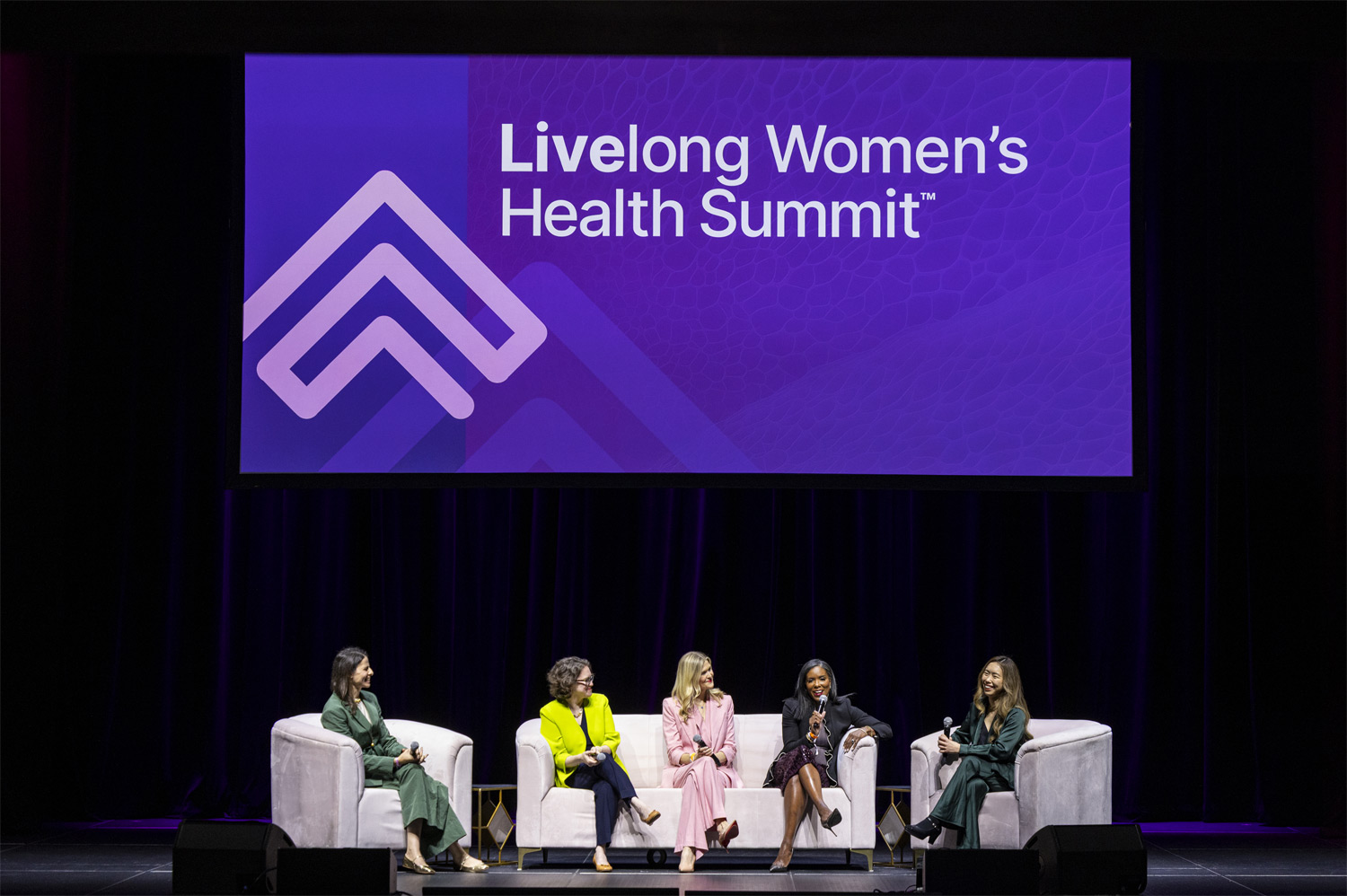
That’s one of the reasons the Livelong Women’s Health Summit is worth flagging here.
Scheduled for September 25–26 in New York City, the two-day event doesn’t position itself as another wellness expo or influencer gathering. Instead, it brings together physicians, researchers, scientists, exercise physiologists, and innovators to examine one question from multiple perspectives: what does the evidence actually tell us about helping women live longer, healthier, and stronger lives?
For coaches working with women, that distinction matters.
The women’s health space is more crowded than ever, with countless conferences, influencers, and wellness events. Rebecca Batterman, Chief Partnerships Officer, Livelong Media, shares what inspired her to create the Livelong Women’s Health Summit.
“There’s finally real conversation around longevity and women’s health, and with it, a lot of noise. What our team saw was not just a need but a genuine hunger for information that’s credible and clear. So our summits bring the best of the women’s health space together to have those conversations through the lens of science, research, and innovation. What makes that possible is that we’re an independent media company. We don’t sell supplements, we don’t sell treatments, and we’re not pushing a protocol. Every expert on our stage is there to inform, and attendees feel that difference immediately.”
— Rebecca Batterman, Chief Partnerships Officer, Livelong Media
A Summit Built Around Questions Instead of Quick Fixes
The conversations surrounding women’s health have changed significantly over the past several years.
Topics that were once rarely discussed publicly, like perimenopause, menopause, bone health, pelvic health, metabolic health, longevity, hormone therapy, GLP-1 medications, cognitive aging, and strength training for women, have become central to the conversation. I’d say that’s progress.
Simultaneously, the volume of information has made it increasingly difficult to separate evidence from opinion. The Livelong Women’s Health Summit appears to recognize that challenge by organizing its agenda around current research and multidisciplinary discussion rather than isolated keynote presentations. Instead of asking attendees to accept one expert’s perspective, sessions bring together clinicians, scientists, and researchers who examine the same topic from different angles.
Good coaching rarely begins with having all the answers. It begins with asking better questions.
Coaches Need Better Conversations, Not More Trends
If you’re coaching women today, chances are your clients are asking questions that weren’t common even five years ago. Questions such as:
- Should I be strength training differently during menopause?
- Are GLP-1 medications right for me?
- What does the evidence actually say about hormone therapy?
- Do wearable devices tell me anything meaningful?
- How should I think about bone health, muscle, brain health, and longevity?
Increasingly, coaches are expected to navigate these conversations while remaining firmly within their professional scope of practice. This does not mean you need every answer. It means understanding enough of the science to recognize credible information, communicate responsibly, and know when a referral to a qualified healthcare provider is appropriate.
Looking through the summit agenda, that’s exactly the type of conversation being encouraged. Rather than presenting women’s health as a collection of disconnected topics, the program treats it as an interconnected system where hormones, metabolism, brain health, movement, nutrition, sleep, cardiovascular health, and healthy aging all influence one another.
An Agenda That Reflects Where Women’s Health Is Headed
One of the strengths of this year’s agenda is its breadth. Across two days, attendees can explore sessions focused on female physiology, menopause, ovarian aging, cardiovascular health, brain health, GLP-1 medications, strength training, cancer prevention, mental health, sleep, pelvic health, nutrition, wearable technology, precision medicine, and healthy aging. The event also includes smaller facilitated roundtables and breakout sessions designed to encourage discussion rather than passive listening.
The speaker lineup reflects that same interdisciplinary approach.
Experts such as Dr. Stacy Sims, Dr. Mary Claire Haver, Dr. Jessica Shepherd, Dr. Vonda Wright, Dr. Mark Hyman, Dr. Aviva Romm, Dr. Natalie Crawford, and Jane Fonda represent diverse perspectives across medicine, research, performance, public health, and advocacy.
Perhaps more importantly, many sessions are intentionally framed around what we know, what we’re still learning, and where evidence remains uncertain. That may be one of the most valuable lessons coaches can take home.
Women Don’t Need More Information. They Need Better Information.
The most interesting aspect of the summit isn’t any individual speaker.
It’s the philosophy running throughout the program.
Session titles such as “Women Are Not Small Men,” “The Evidence on Longevity: What Holds Up—and What Doesn’t,” “The Longevity Roadmap Every Woman Needs,” and “Your 90-Day Longevity Blueprint” reflect a consistent emphasis on translating science into practical decisions rather than sensational headlines.
That feels particularly relevant for fitness professionals, whose clients are already consuming enormous amounts of health content online. What those clients often need isn’t another opinion.
They need someone who can help them think critically about the information they’re seeing, recognize where evidence exists, and appreciate where uncertainty still remains. Events like this help professionals ask better questions.
Why This Matters for Coaches
The role of the coach continues to evolve. Exercise professionals are no longer viewed just as movement specialists. They’re often trusted guides helping clients navigate an increasingly complex health landscape while staying within their scope of practice. That responsibility requires ongoing learning.
The tradeoff is real. Two days away from paying clients, plus travel and registration cost, is a genuine ask for a solo coach or a small studio’s staff, and it deserves to be weighed rather than waved off.
Whether your clients are asking about strength training during menopause, protein requirements, recovery, sleep, bone health, wearable technology, or healthy aging, your credibility depends less on having immediate answers and more on understanding how to evaluate evidence responsibly.
The Livelong Women’s Health Summit appears designed with that mindset in mind.
Rather than promoting a single philosophy, it creates space for physicians, researchers, exercise scientists, and innovators to explore women’s health from multiple evidence-informed perspectives.
In an era when health advice is increasingly shaped by algorithms, that’s a refreshing approach.
The Bigger Picture
Women’s health has historically been underrepresented in research, underserved in healthcare conversations, and oversimplified by the wellness industry. That landscape is beginning to change, not because a single event promises revolutionary answers, but because more research and more physicians specializing in women’s health across the lifespan are becoming available. There are also more conversations happening around menopause, longevity, strength, metabolic health, and prevention.
For coaches, that’s perhaps the biggest takeaway. The role isn’t to become an expert in every aspect of women’s health. It is to remain curious, keep learning, and get better at distinguishing science from marketing. Clients deserve nothing less.
Many coaches leave conferences with pages of notes but struggle to translate what they’ve learned into practice. That’s what this conference does differently, according to Batterman, who emphasizes the message that underpins the summit:
“That we’re all still learning. Women’s health has historically been understudied and underprioritized, and the field is only just cracking open, which means we’re all early. The coaches who will matter most over the next decade are the ones comfortable saying, ‘The science is still moving, and I’m moving with it.’ Consumers and medical practitioners attend our summit for the same reason coaches do, they want to know more too. It’s an exciting time, and we’re all moving forward together.”
— Rebecca Batterman
Event Details
- Livelong Women’s Health Summit
- Hilton Midtown | New York City
- September 25–26, 2026
- 100+ physicians, researchers, and women’s health experts
- Sessions covering longevity, menopause, strength, cardiovascular health, brain health, nutrition, sleep, GLP-1 medications, precision medicine, and more
Coach360 readers can receive $50 off registration using promo code COACH360, or register using the dedicated Coach360 registration link: tickets-ny-2026.livelongwoman.com
Related: The Mental Wellness Dual-Continuum: Intake and Referral Framework
FitHire — Browse Health and Longevity Coaching Roles
Coaches who can translate evidence-based women’s health research into responsible, scope-appropriate practice are exactly who forward-thinking operators are looking for. FitHire by Coach360 connects coaches with facilities building programs around this expertise.
Frequently Asked Questions
What is the Livelong Women’s Health Summit?
It’s a two-day event on September 25–26, 2026, at the Hilton Midtown in New York City, bringing together 100+ physicians, researchers, exercise physiologists, and innovators to examine women’s health through an evidence-based, multidisciplinary lens. Sessions cover menopause, longevity, strength training, cardiovascular and brain health, GLP-1 medications, precision medicine, and more.
Who should attend from the fitness and coaching industry?
Coaches working with women who are fielding an increasing number of questions about menopause, hormone therapy, GLP-1 medications, wearable data, and longevity are the core audience. The event is built for professionals who want to strengthen how they evaluate evidence and communicate it responsibly, not to hand out clinical protocols coaches would apply outside their scope of practice.
What topics does the agenda cover?
The two-day program spans female physiology, perimenopause and menopause, ovarian aging, cardiovascular and brain health, GLP-1 medications, strength training, cancer prevention, mental health, sleep, pelvic health, nutrition, wearable technology, precision medicine, and healthy aging, plus smaller facilitated roundtables.
How can Coach360 readers register?
Coach360 readers can save $50 on registration using promo code COACH360, or register directly through the dedicated Coach360 link included in this article.
Erin Nitschke covers Health & Longevity for Coach360News.
About Erin Nitschke
Dr. Erin Nitschke, NSCA-CPT, NFPT-CPT, ACE Health Coach, ACE-CPT, Fitness Nutrition Specialist, Therapeutic Exercise Specialist, Pn1, FNMS, and DSWI Master Health Coach, is a seasoned college professor in health and human performance. She is a nationally recognized presenter, industry writer for IDEA, NFPT, Fitness Education Online, and Youate.com, and an active member of the ACE Scientific Advisory Panel. With extensive experience in health and exercise science, Erin specializes in holistic, evidence-based approaches to wellness. Her passion lies in empowering individuals to lead healthier, more vibrant lives through personalized coaching. Erin’s philosophy centers on education, accountability, and sustainable behavior change—guiding clients to achieve long-term success in nutrition, fitness, stress management, and overall well-being. To connect with Dr. Nitschke, email her at erinmd03@gmail.com or on Instagram: @nitschkeerin
What the Fitness Industry Still Gets Wrong About Coaching Women, According to the Women Coaching Them
I spoke with a coach who once had a new client ask for a “toning” program. It was the only language the client had ever heard used for women’s fitness. Through conversation, the coach learned what the client actually wanted: to feel capable carrying camping equipment and keeping pace with her teenage children. Within a few months, she was lifting heavier, hiking farther, and talking about her body in terms of strength instead of size.
That gap between the language women are given and what they actually want shows up constantly in women in wellness coaching. The fitness industry has spent decades telling women how to shrink their bodies and resist aging. It has spent far less time understanding the lives happening inside those bodies.
That disconnect is hard to miss once you start talking with women who coach women every day. Their concerns rarely begin with exercise selection or the newest programming trend. They begin with clients who believe they have failed. Really, a generic plan never accounted for chronic stress, caregiving, pregnancy, menopause, pain, or a complicated history with food and exercise.
If you coach women, these stories probably sound familiar. You have likely worked with a client who apologized for missing sessions while caring for a sick parent. Maybe another assumed her changing energy during perimenopause meant she lacked discipline, or a client believed exercise only counted when it produced weight loss. These experiences point to a real gap between what the industry promotes and what women often need from the people coaching them.
This piece draws on the perspectives of coaches working across strength training, health coaching, active aging, pregnancy and postpartum fitness, menopause support, and behavior change. Their message is consistent: better coaching starts when the industry replaces assumptions with curiosity.
Women Are Still Treated as a Single Fitness Category
Fitness marketing often speaks about women as though they share one goal, one body type, one schedule, and one relationship with exercise. The language can sound inclusive, but the programs underneath frequently lean toward the same narrow outcome: get smaller, look younger, take up less space.
The women coaching these clients see a far more complex reality. A 25-year-old training for her first marathon and a 38-year-old returning to exercise after childbirth may both identify as women. So might a 52-year-old managing disruptive menopause symptoms, or a 70-year-old rebuilding strength after a fall. Their coaching needs, recovery capacity, medical considerations, and definitions of success can be entirely different.
That variation does not call for a separate training philosophy at every stage of life. It calls for the same individualization coaches already treat as essential with other populations. Training history, health status, sleep, stress, prior injuries, confidence, and personal goals all shape what a useful program looks like.
The problem starts when gender becomes a shortcut for assessment. A coach assumes a female client wants weight loss, lighter loads, or an easier program before asking what she actually values. That assumption can quietly shape the entire relationship. It’s the trap the coach mentioned above avoided by asking one question instead of guessing.
A useful coaching cue: “Before we decide what your program should include, tell me what you want your body to help you do.”
That question makes room for goals that might otherwise stay hidden under familiar fitness language.
Women’s Programming Still Struggles to Account for Real Life
The fitness industry often praises consistency without acknowledging what it actually takes to create it. Women are told to protect their workout time and stay disciplined, all while managing careers, families, aging parents, or their own social lives. That message sounds empowering until it meets the real conditions of work, childcare, eldercare, medical appointments, household labor, disrupted sleep, and hormonal transitions.
Female coaches repeatedly name flexibility as one of the most important skills they bring to the work. Adapting a program does not mean lowering expectations. It usually means protecting the client’s ability to stay engaged.
A rigid program can look excellent on paper and still fail the person expected to follow it. A useful program has enough structure to drive progress and enough flexibility to survive a hard week.
For a client dealing with menopause-related sleep disruption, the right adjustment might mean reducing volume while preserving strength work. For someone returning postpartum, it might mean rebuilding confidence and tolerance before chasing old performance numbers. For a woman caring for an aging parent, it might mean building a minimum version of the program that can survive an unpredictable week.
These decisions take more than technical knowledge. They require the coach to understand what the client is carrying into the session.
A woman might arrive tired because she slept poorly, but fatigue has many sources. She could be managing hot flashes, medication changes, anxiety, iron deficiency, a demanding job, or a child who was up half the night. A coach cannot diagnose the cause. The coach can listen, modify the session, document the pattern, and refer out when something moves beyond their scope.
The language matters here too. Telling a client to “push through” sends one message. Try this instead: “Let’s look at what your body and your week are telling us, then decide what level of training makes sense today.”
The second response protects the training relationship. It also respects what the client is actually dealing with.
This kind of coaching asks more of the coach, not less. A generic template can be handed to twenty clients at once. An individualized approach can’t. It takes longer to build, it’s harder to systematize, and it requires the coach to keep reassessing instead of running the same program on repeat. That is the real cost of doing this well, and it is worth naming plainly.
Appearance Still Dominates the Definition of Success
Body composition goals are legitimate when they come from the client and stay within the coach’s scope. The problem is the industry’s habit of treating appearance as the default reason women exercise in the first place.
Marketing aimed at women still leans heavily on transformation photos, smaller clothing sizes, flatter stomachs, and promises to reverse or resist aging. Even strength-focused messaging can slide into appearance-focused messaging once being “strong” becomes just another way to produce an acceptable-looking body.
The women coaching women spend real time widening that definition of progress. Their clients report sleeping better, moving with less discomfort, and managing stress more effectively. They also report increasing bone-supporting activity, carrying groceries with more ease, returning to recreational sports, and feeling confident in fitness spaces that once intimidated them.
Those outcomes are easy to miss when every progress review starts with a scale.
This is where coaching women in fitness takes more than celebrating generic non-scale victories. Coaches need to name outcomes that are personally meaningful, observable, and tied to what the client actually said she wanted.
For one woman, progress might mean adding load to a squat. For another, it might mean finishing a workout without criticizing her body. For someone rebuilding after years of restrictive dieting, it might mean developing a more neutral relationship with movement altogether.
The question isn’t whether body weight should ever be measured. It’s whether the measures being used tell the whole story of a client’s progress.
Empowerment Requires More Than Empowering Language
The fitness industry uses the language of empowerment constantly. Women are told to get stronger, take control, and invest in themselves. At the same time, many of the messages surrounding that language still reward compliance, perfection, and appearance.
A woman is told to listen to her body, then praised for ignoring fatigue. She is told to pursue health, then shown one narrow body type as proof that health has been achieved. She is told fitness should build confidence, then sold programs built around correcting everything considered wrong with her body.
Female coaches see the fallout from those contradictions daily. Many describe helping clients unlearn all-or-nothing thinking before real progress can start. A client might believe a shortened workout is worthless, that rest means weakness, or that modifying an exercise means falling behind.
Effective coaching offers another way to see it. A shortened workout can preserve a routine. Rest can support adaptation. A modification can allow real participation. Changing the plan can reflect professional judgment instead of personal failure.
This doesn’t remove challenge from training. It puts challenge inside a relationship built on trust, communication, and informed choice.
That distinction matters because clients who feel safe describing pain, fatigue, fear, or uncertainty give coaches better information to work with. Better information leads to better decisions. When clients expect to be judged, they may withhold the details a coach actually needs.
One practical cue: “You don’t have to prove anything to me in this session. Give me accurate information so we can make a good decision together.” That is the kind of empowerment a lot of women have been missing.
Women Need Greater Influence Over the Systems Coaching Them
Representation in fitness has improved, especially in marketing. More women of different ages, body sizes, races, abilities, and life stages show up in campaigns that once presented a much narrower image.
Visibility is only one part of representation, though. Women also need influence over the systems that decide how coaches are educated. That includes which research questions get asked, which topics get conference stages, and how industry standards get set.
The coaches behind this piece point to several areas that still need sustained attention. Menopause education remains inconsistent. Pelvic health concerns are often minimized or mishandled. Pregnancy and postpartum guidance is still shaped by outdated expectations in some settings. Women in larger bodies keep running into weight bias. Older women are often steered toward gentler activity when they might benefit more from progressive strength and power training.
What a coach can do is smaller, but real: examine their own assumptions, pursue education from qualified professionals, and build a reliable referral network. They can also make space for a woman to describe her own experience before translating it into a standardized program.
Better Coaching Starts With Believing Women Are the Experts on Their Own Lives
The future of women in wellness coaching will be shaped by better research, stronger professional education, and closer collaboration across fitness and healthcare. It will also be shaped in ordinary coaching conversations, when women get invited to describe their bodies, goals, and concerns in their own words.
That work looks less visible than launching a new program or promoting a dramatic transformation. It has the potential to change far more.
The women coaching women are already showing what this looks like in practice. They build strength programs that account for life stage without reducing women to hormones. They support body composition goals without letting appearance define every outcome. They modify training without apologizing for thoughtful coaching, and they refer out to qualified healthcare professionals when something moves beyond their scope.
Most of all, they listen. The fitness industry has spent plenty of time talking to women. What happens next depends on how willing it is to actually hear them.
Related: Midlife Fitness Coaching for Women: What Three Decades of Building Practices Taught Nikki Polos
FOR COACHES WHO SPECIALIZE IN COACHING WOMEN
Coaches who understand the real complexity of coaching women — hormonal, logistical, and psychological — are exactly who forward-thinking studios and practices are looking to hire. FitHire by Coach360 connects coaches with employers searching for that expertise specifically.
Frequently Asked Questions
What does the fitness industry still get wrong about coaching women?
The industry often treats women as a single population and assumes appearance or weight loss is the primary goal. It underestimates how much life stage, caregiving, stress, health history, and past fitness experience shape what a client actually needs. Effective coaching starts with individualized assessment, not gender-based assumptions.
How should programming for female fitness clients be individualized?
Effective programming for female fitness clients accounts for goals, health history, training experience, recovery, sleep, stress, schedule, symptoms, preferences, and current life circumstances. Coaches should adjust training to the individual and refer medical or clinical concerns to appropriately qualified professionals.
Does coaching women require completely different exercise programs?
Women don’t automatically need a separate training system. The principles of progressive, evidence-based training still apply. Program variables should reflect the individual client’s goals, health, experience, recovery capacity, and life stage.
What skills are most important for coaches working with women?
Coaches working with women need strong assessment, communication, programming, behavior-change, and referral skills. They should also understand common women’s health considerations while staying clear about professional scope and avoiding assumptions based on gender alone.
About Erin Nitschke
Dr. Erin Nitschke, NSCA-CPT, NFPT-CPT, ACE Health Coach, ACE-CPT, Fitness Nutrition Specialist, Therapeutic Exercise Specialist, Pn1, FNMS, and DSWI Master Health Coach, is a seasoned college professor in health and human performance. She is a nationally recognized presenter, industry writer for IDEA, NFPT, Fitness Education Online, and Youate.com, and an active member of the ACE Scientific Advisory Panel. With extensive experience in health and exercise science, Erin specializes in holistic, evidence-based approaches to wellness. Her passion lies in empowering individuals to lead healthier, more vibrant lives through personalized coaching. Erin’s philosophy centers on education, accountability, and sustainable behavior change—guiding clients to achieve long-term success in nutrition, fitness, stress management, and overall well-being. To connect with Dr. Nitschke, email her at erinmd03@gmail.com or on Instagram: @nitschkeerin
The Loneliness Epidemic Is a Problem Coaches Are Positioned to Solve
The fitness industry has spent decades promoting exercise as medicine while overlooking one important and powerful health intervention.
If you’re a coach, you spend a great deal of time tracking progress. Everything from increases in strength, improvements in cardiovascular fitness, to better movement quality and healthier blood pressure, the countless changes that reinforce why exercise matters. Those outcomes deserve attention because they’re measurable and supported by decades of research. They also carry meaning for the client and their program.
But there is another outcome that rarely appears in an assessment report. It isn’t reflected in body composition scans or performance testing, yet it may influence long-term health just as profoundly. It’s the outcome related to belonging.
Every time you introduce a new member to the regulars before class, remember a client’s name after months away, or create an environment where people genuinely look forward to seeing one another, you’re doing more than improving the workout experience. You’re creating opportunities for social connection at a time when meaningful human relationships have become increasingly difficult to find.
The fitness industry often describes community as a “bonus” or a feature that enhances the client experience. The evidence suggests coaches should begin thinking about it differently. Social connection isn’t simply something that makes exercise more enjoyable. It is increasingly recognized as an important contributor to health and longevity. Coaches may never diagnose or treat loneliness, but they are uniquely positioned to create environments where people feel seen, welcomed, and connected. That may be one of the most important health outcomes this profession delivers.
The Belonging Effect
Coaches don’t intentionally set out to reduce loneliness. Their primary focus is generally on helping people move better and achieve the best version of themselves.
However, somewhere between the initial consultation and the hundredth workout, something else begins to happen. Clients learn one another’s names. They notice when someone misses class, celebrate birthdays, cheer for each other’s achievements of personal records, and ask about grandchildren, vacations, surgeries, and job interviews. What started as a place to exercise slowly becomes a place where relationships develop through consistency, shared experience, and mutual encouragement.
As you’ve amassed time in the industry, you’ve witnessed this transformation without giving it much thought. The client who originally stood quietly in the corner now arrives early to catch up with friends. The member who almost canceled after a difficult week decides to come anyway because “everyone will wonder where I am.” The walking group that formed after a six-week challenge is still meeting two years later.
None of those moments are accidental. They represent one of the most overlooked outcomes in fitness. One coaching reminder worth carrying into every session is this:
“Sometimes the reason a client keeps showing up has less to do with the workout than with how they feel when they walk through the door.”
That realization changes how coaches think about adherence. People rarely remain committed to exercise because every workout feels exciting. They stay because the experience becomes connected to relationships, identity, routine, and a sense of belonging.
Dania Valladares, CEO of Agora Fitness, shares this about belonging:
“For me it was seeing people come back to the gym, and to their training groups, through injuries. Someone can’t load the shoulder, can’t run, can barely do half of what they came for and they still show up. That’s when I realized they were getting the benefit of community even when the workout is at a minimum that day, or that month. The training was never the only reason they were there.”
— Dania Valladares, CEO, Agora Fitness
Coaching Relationships Create More Than Accountability
Ask experienced coaches why clients remain with them for years, and very few will begin by talking about programming. What they describe instead is trust.
They talk about conversations that happen as the client arrives or after the session ends. They remember the client who announced a pregnancy, the retiree navigating life after losing a spouse, or the client who finally admitted he had been struggling with anxiety. Over time, the coaching relationship becomes far more than instruction around exercise technique. It becomes one of the few consistent relationships some clients experience each week. That’s magic. That’s transformative.
This does not mean coaches become therapists, counselors, or mental health professionals. Professional boundaries remain essential. A coach’s role is not to treat loneliness or solve the complex social challenges clients may face outside the facility. When a client’s isolation appears to go deeper than gym-based connection can reach, such as persistent hopelessness, withdrawal, or signs of depression, the responsible step is a warm, direct referral to a licensed counselor, physician, or the client’s existing care team, not an attempt to fill that role personally. A coach’s role is something both simpler and more consequential within that boundary.
Gyms, clubs, and studios are third spaces, outside the home and office. Coaches create spaces where people feel welcomed, respected, and connected. Listening without judgment, remembering names, asking thoughtful questions, and noticing when someone who rarely misses class suddenly disappears for two weeks, those seemingly ordinary interactions communicate something many clients need to hear without words: you matter here.
For older adults, recent retirees, caregivers, remote workers, individuals who have relocated to a new community, or anyone navigating significant life transitions, that message can become an important part of why they continue showing up.
Community Is a Longevity Strategy
When longevity is discussed in the fitness industry, the conversation usually centers on resistance training, cardiorespiratory fitness, sleep, nutrition, mobility, and metabolic health. Those factors remain foundational because they directly influence how well people age.
But healthy aging is about more than preserving muscle mass or improving aerobic capacity. It’s also about preserving relationships.
People who remain socially connected are more likely to stay physically active, maintain independence, participate in meaningful activities, and continue engaging with the world around them. In many ways, community reinforces the very behaviors coaches spend their careers trying to help clients develop.
Think about the environments you’ve enjoyed coaching in most. Were they filled with great equipment? Or were they filled with people who knew one another and invested in each other’s lives?
A room full of individuals completing workouts independently may improve fitness. A room full of people encouraging one another, celebrating progress together, and genuinely caring whether someone returns creates something much larger than exercise adherence. It creates a culture of belonging. That culture cannot be replicated by any machine on the training floor.
Valladares connects this directly to the research on longevity: “Because social connections and belonging are proven to be key factors in longevity. There is actually scientific proof that highlights social connections as one of the common traits in the Blue Zones, where people live the longest.” The 2023 U.S. Surgeon General’s advisory on the loneliness epidemic reached a similar conclusion, identifying social connection as a factor associated with longer life expectancy and reduced risk of several chronic conditions.
“And in my experience I’ve seen beautiful communities emerge from all kinds of fitness. Zumba groups that dress alike. All the clients of the same coach working out together on the day they don’t have their trainer. Or simply going for a coffee after. Working out shows our true self at vulnerable times. That’s why the bonds at the gym are profound.”
Designing for Connection Is Part of Good Coaching
The strongest fitness communities do not develop by chance. They’re intentionally cultivated by coaches who understand that every interaction contributes to the culture of the facility.
Connection begins with remarkably ordinary behaviors. Greeting clients by name. Introducing new members before class. Pairing people together during partner activities. Celebrating consistency alongside performance. Creating opportunities for conversation before and after sessions rather than rushing everyone in and out of the room.
These moments may seem small in isolation, but together they establish psychological safety and foster relationships that extend beyond the workout itself.
One coach described her philosophy this way: “I don’t just want clients to know the exercises. I want them to know they have people here who are glad they came.”
That perspective changes the role of the coach from someone who simply delivers programming to someone who intentionally shapes the environment in which health behaviors become sustainable. People stay where they feel they belong.
Coaches can do simple things consistently to make clients feel welcomed, valued, and connected. Valladares personally offers this advice:
“Care. An exceptional coach understands the entire system around their client, not just the hour in front of them. They can react to their energy and stress levels, be empathetic and adjust without rigidity. And they do it while having the magic touch to push and help us become our best version. Feeling seen and still being asked for more is what makes people feel valued.”
— Dania Valladares, CEO, Agora Fitness
When it comes to building community, Valladares puts it simply: you don’t stage it, you create the conditions for it. Use people’s names. Introduce clients who have something in common instead of letting them train next to each other as strangers. Don’t rush anyone out the door the second the session ends. Community can’t be scheduled, but it shows up when people feel known.
Perhaps We’ve Been Measuring the Wrong Things
The fitness profession has become increasingly sophisticated in measuring physical progress. Coaches assess things like movement quality, HRV, recovery, strength and power, body composition, and endurance. These metrics certainly have value, and they have their place in the bigger picture of progress. That said, very few facilities ask questions like: Do you feel connected to people here? Have you developed friendships through this community? Would someone notice if you stopped coming?
Those answers may tell as much about a client’s long-term likelihood of staying active as any fitness assessment performed. If the goal is to improve health over a lifetime rather than simply produce short-term results, perhaps belonging deserves a place among the outcomes coaches intentionally cultivate.
After all, clients may arrive because they want to improve their health. Many stay because they found a community that quietly became part of it.
The Opportunity Already Exists
The loneliness epidemic is often framed as a challenge for healthcare systems, policymakers, and mental health professionals. Each has an important role to play. But so do coaches in this space, working within the scope of practice described above.
Think about it. Every welcoming conversation, every thoughtful introduction, each time a coach notices an absent client, and every facility that creates an environment where people feel valued rather than evaluated. Those moments may never appear in marketing materials as dramatic transformations. They probably won’t trend on social media or become the centerpiece of a sales campaign.
They may, however, represent one of the most meaningful contributions this profession makes to public health. This is not to say that exercise, strength, and biometrics don’t matter. They absolutely do.
But in a world where genuine human connection and compassion have become increasingly scarce, perhaps the room full of people who know one another is doing longevity work that no piece of equipment in the building can replicate.
Related: Oxygen Yoga & Fitness: Heat, Movement, and Community
FitHire — Browse Coaching Roles in Community-Centered Facilities
Coaches who understand that belonging is part of the job are exactly who community-centered facilities are looking to hire. FitHire by Coach360 connects coaches with operators who invest in culture, not just class schedules.
Frequently Asked Questions
Why should fitness professionals care about loneliness?
Social isolation and loneliness are increasingly recognized as important factors influencing health and longevity, a conclusion echoed in the 2023 U.S. Surgeon General’s advisory on the loneliness epidemic. While coaches do not diagnose or treat loneliness, they can create welcoming, inclusive environments where clients develop meaningful social connections that support long-term participation in healthy behaviors.
What is the difference between loneliness and social isolation?
Social isolation refers to having limited social contact or support, whereas loneliness is the subjective feeling of being disconnected from others. A client can attend a busy gym and still feel lonely, making the quality of relationships just as important as the quantity.
How can coaches foster social connection without stepping outside their scope of practice?
Simple practices such as learning clients’ names, introducing new members, encouraging positive interactions, noticing prolonged absences, and creating psychologically safe environments help build community while remaining well within a coach’s professional role. When a client’s needs appear to go beyond what community connection can address, the appropriate step is a referral to a licensed professional, not an attempt to provide clinical support directly.
Why is community important for longevity?
Strong social relationships reinforce healthy behaviors, improve exercise adherence, and contribute to overall well-being. Coaches who intentionally cultivate belonging are supporting a dimension of health that complements exercise, nutrition, sleep, and other longevity-focused interventions.
Erin Nitschke writes on health, longevity, and evidence-based programming for Coach360News.
About Erin Nitschke
Dr. Erin Nitschke, NSCA-CPT, NFPT-CPT, ACE Health Coach, ACE-CPT, Fitness Nutrition Specialist, Therapeutic Exercise Specialist, Pn1, FNMS, and DSWI Master Health Coach, is a seasoned college professor in health and human performance. She is a nationally recognized presenter, industry writer for IDEA, NFPT, Fitness Education Online, and Youate.com, and an active member of the ACE Scientific Advisory Panel. With extensive experience in health and exercise science, Erin specializes in holistic, evidence-based approaches to wellness. Her passion lies in empowering individuals to lead healthier, more vibrant lives through personalized coaching. Erin’s philosophy centers on education, accountability, and sustainable behavior change—guiding clients to achieve long-term success in nutrition, fitness, stress management, and overall well-being. To connect with Dr. Nitschke, email her at erinmd03@gmail.com or on Instagram: @nitschkeerin
Top 26 Most Visionary Coaches of 2026 — The List That Will Define The Next Era of The Industry
The coaches who shape the future of this industry rarely announce themselves. They’re usually too busy building something. These coaches are not after the latest trend. What they’re focused on is setting new standards and elevating the industry. Their impact is reflected in the professionals they mentor, businesses they build, ideas they introduce to the world, and the communities and partnerships they strengthen.
Those are the coaches we’re looking for.
Coach360 is proud to officially open nominations for the Top 26 Most Visionary Coaches of 2026, a recognition celebrating the professionals whose work is helping define the next era of health, fitness, and wellness coaching. This is not about awarding someone the “Top Coach” title. Rather, it’s a celebration of leadership, innovation, and the people moving our profession forward.
Vision Changes Industries. Success Changes Individuals.
Successful coaches help clients achieve meaningful goals. Visionary coaches change how coaching itself is practiced.
They ask better questions before anyone else does. They adopt evidence before it becomes mainstream. They create businesses that elevate the profession rather than simply growing their own client roster. They mentor future leaders, develop educational resources, build communities, and influence conversations that extend far beyond the walls of a gym.
Some lead large organizations. Others quietly transform lives in small communities.
Some create technology, education, or programming that reaches thousands of professionals. Others redefine what exceptional coaching looks like one client at a time.
Vision doesn’t always look loud. Sometimes it looks like consistency, curiosity, and a willingness to keep asking, “How can this profession become better than it is today?” Those are the coaches we want to recognize.
Last Year’s Honorees Raised the Standard
Last year, Coach360 launched the Top 25 Most Inspiring Coaches of 2025 to celebrate professionals whose dedication, expertise, and heart reminded the industry why coaching matters. The response exceeded expectations as clients, colleagues, employers, and fellow professionals came together to recognize coaches whose impact extended far beyond exercise programming.
The 2025 honorees represented every corner of the profession: strength coaches, pilates instructors, health coaches, performance specialists, rehabilitation professionals, studio leaders, and independent entrepreneurs. What united them wasn’t a specific certification or coaching style. It was their ability to inspire confidence, create lasting change, and improve the lives of the people they served.
Those coaches reminded us that great coaching is measured less by popularity than by the ripple effect it creates.
The stories featured throughout the report highlighted professionals who stayed late to support struggling clients, adapted their coaching to meet individual needs, invested in lifelong learning, and built communities where people felt seen, supported, and capable of achieving more than they believed possible.
This year’s recognition builds on that foundation. If 2025 celebrated coaches who inspired others, 2026 celebrates the coaches whose ideas, leadership, and innovation are helping shape what comes next.
What Makes Someone a Visionary Coach?
Visionary coaches don’t wait for permission. They’re often the first to experiment with new approaches while remaining grounded in evidence and ethics. They understand that coaching is evolving and that success requires more than writing great workouts.
They’re advancing behavior change, improving client experience, building stronger businesses, sharing their voice, and mentoring future professionals.
They’re also creating educational content, developing technology, strengthening communities, advocating for inclusion, collaborating across healthcare, or helping redefine what health and wellness coaching looks like in a rapidly changing world.
Most importantly, they’re lifting others as they grow. The strongest leaders create opportunities for the next generation of coaches to succeed.
Who Should Be Nominated?
You may know someone immediately. Perhaps it’s the coach whose clients become coaches themselves. Maybe it’s the educator who consistently raises the quality of professional development. It might even be the studio owner creating a workplace where coaches build sustainable careers, the entrepreneur challenging outdated assumptions about fitness, or the health coach helping bridge the gap between healthcare and exercise.
Or perhaps it’s you.
Coach360 welcomes nominations from clients, peers, employers, educators, organizations, and coaches themselves. Every nomination helps tell the story of where this profession is headed.
Why Recognition Matters
Coaching is a profession built on helping others succeed. Most coaches spend their careers celebrating client victories while quietly moving on to the next session.
Recognition creates something different. It gives the industry an opportunity to pause and acknowledge the professionals whose leadership often happens behind the scenes. It provides visibility for coaches doing exceptional work and reminds aspiring professionals what excellence actually looks like.
And perhaps most importantly, it creates a record of the people shaping our profession during a moment of extraordinary change. The health and wellness industry is evolving at a rapid pace: AI is changing workflows, healthcare partnerships are expanding, and longevity and recovery are central conversations.
The coaches leading these changes and conversations deserve to be recognized.
Help Us Identify the Coaches Defining Tomorrow
The next era of coaching won’t be defined by the loudest voices. It will be defined by the professionals asking better questions, building stronger businesses, developing future leaders, and helping elevate coaching as a respected profession.
Those coaches are already out there. They may have smaller followings or be on a larger platform. We want to recognize both.
If you know a coach whose work deserves national recognition, we invite you to nominate them. Help us celebrate the innovators, educators, mentors, entrepreneurs, and practitioners who are shaping the future of health, fitness, and wellness coaching. Because the future of this profession isn’t something we wait for. It’s something visionary coaches build every day.
Related: Top 26 Most Visionary Coaches – Nominations Now Open
Related: Top 25 Most Inspiring Coaches of 2025
FitHire — Where the Industry’s Best Coaches Find Their Next Opportunity
Recognition and career growth go hand in hand. FitHire by Coach360 connects the coaches shaping the future of the industry, including this year’s Top 26 nominees, with operators looking for exactly that kind of leadership.
Frequently Asked Questions
Who is eligible for the Top 26 Most Visionary Coaches of 2026?
Any health, fitness, or wellness professional making a meaningful impact through leadership, innovation, education, business development, mentorship, client outcomes, or industry influence is eligible to be nominated.
What makes someone one of the most visionary fitness coaches of 2026?
The most visionary fitness coaches of 2026 are professionals whose work extends beyond client sessions to influence the broader coaching profession through innovation, leadership, education, mentorship, or new models of care.
Can coaches nominate themselves?
Yes. Coach360 welcomes both self-nominations and nominations submitted by clients, colleagues, employers, educators, and members of the fitness community.
How is this recognition different from last year’s Top 25 Most Inspiring Coaches?
The Top 25 Most Inspiring Coaches of 2025 celebrated coaches whose dedication and client impact inspired others. The Top 26 Most Visionary Coaches of 2026 expands that conversation by recognizing fitness industry leaders in 2026 whose ideas and leadership are helping shape the future of coaching itself.
About Erin Nitschke
Dr. Erin Nitschke, NSCA-CPT, NFPT-CPT, ACE Health Coach, ACE-CPT, Fitness Nutrition Specialist, Therapeutic Exercise Specialist, Pn1, FNMS, and DSWI Master Health Coach, is a seasoned college professor in health and human performance. She is a nationally recognized presenter, industry writer for IDEA, NFPT, Fitness Education Online, and Youate.com, and an active member of the ACE Scientific Advisory Panel. With extensive experience in health and exercise science, Erin specializes in holistic, evidence-based approaches to wellness. Her passion lies in empowering individuals to lead healthier, more vibrant lives through personalized coaching. Erin’s philosophy centers on education, accountability, and sustainable behavior change—guiding clients to achieve long-term success in nutrition, fitness, stress management, and overall well-being. To connect with Dr. Nitschke, email her at erinmd03@gmail.com or on Instagram: @nitschkeerin
What the Scale Is Not Measuring: A Coach’s Framework for Tracking Progress Beyond Body Weight
It’s not that weight loss can’t be or shouldn’t be considered a win in the right context. It’s that it is not the biggest, most important measure of success. Early on, I used to be excited when a client would have a two-pound weight loss. At the time, I didn’t realize I was overlooking something far more important, the nonscale victories clients experienced.
Later on in my career, I had a colleague who worked with a client who had started sleeping through the night, stopped feeling winded going upstairs, and felt strong enough to carry her groceries without stopping halfway to the car. Not missing a workout in six weeks was paying off in dividends. But when the number on the scale barely moved, she left convinced she wasn’t making progress. In that scenario, her coach had measured the only thing that changed the least.
If you’re just beginning your career, it’s easy to lean on body weight as a win because it’s objective, familiar, and simple to track. Clients often expect it, too. For some, body weight may be one appropriate measure of progress. The problem begins when it becomes the only measure.
Your job as a coach can’t be reduced to helping clients lose weight. As a coach, you are charged with helping clients improve their health, metabolic function, confidence, and quality of life. To do so, you need to evaluate more than scale weight.
Tracking meaningful progress doesn’t require complicated technology or expensive assessments. It only requires asking better questions and paying attention to the outcomes that matter most to the client.
Better Coaching Starts by Expanding the Definition of Progress
One of the biggest mindset shifts you’ll make as a coach is recognizing that weight is an outcome, not a behavior or a process. Clients cannot directly control what the scale says tomorrow morning, and body weight from day to day is influenced by multiple variables.
However, clients can control whether they completed today’s workout, prepared lunch at home, walked after dinner, or got seven hours of sleep. Those behaviors eventually influence body composition, but they also improve health in ways the scale will never capture.
When coaches focus exclusively on body weight, they unintentionally teach clients that everything else is secondary. Instead, teach clients that progress has many dimensions.
One coaching cue I often use is, “Let’s measure the things that tell us you’re becoming healthier, even before the scale decides to catch up.” That conversation immediately changes expectations.
Part of this conversation shift is done through effectively mentoring new coaches.
“When I mentor new fitness trainers, I encourage them to focus on behavior and performance rather than body weight alone. I also emphasize the importance of understanding each client’s individual needs, because everyone is different. I recommend prioritizing workout consistency, strength gains, energy levels, and body measurements or progress photos because these indicators better reflect body recomposition than the scale. They help clients stay motivated, build healthy habits, and achieve long-term, sustainable results.”
— Sandybell Castillo, CEO and Founder, Sandybell Fitness
The PROGRESS Framework Helps Coaches Measure What Matters
The PROGRESS Framework gives new coaches a practical system for evaluating client success beyond body weight. It can be used during assessments, progress reviews, and weekly coaching conversations.
P: Performance
Ask whether the client is becoming more capable by examining if they can lift more weight, walk a little further than the week before, recover faster between sets, and complete activities that once felt difficult. Performance improvements often appear long before noticeable body composition changes.
R: Recovery
Recovery influences nearly every health outcome, and it is not just sleep that matters, that’s just one part of the puzzle. Start by asking how well and how long the client is sleeping, how sore they feel after workouts, and if they are feeling energized throughout the day or constantly fatigued. It’s also important to gauge their stress levels. Improving recovery often signals that the training program is appropriate and sustainable.
O: Outcomes That Matter to the Client
Not every client defines success the same way. You will have clients who want to hike without knee or back pain, another who wants enough energy to keep up with their grandchildren, and another who wants to feel confident while traveling without worrying about physical limitations. Ask clients what success looks like in their everyday lives, then track those outcomes intentionally.
G: Growth in Habits
Long-term success depends on consistent behaviors. Here is where you want to evaluate if the client is exercising regularly, preparing meals more often, taking movement breaks during the workday, and drinking more water. Habit consistency often predicts future results better than short-term weight changes.
R: Readiness and Confidence
Confidence deserves measurement. Ask clients how confident they feel about maintaining their routine. Do they believe they can continue exercising when life gets busy? Clients who develop self-efficacy are more likely to sustain behavior change long after formal coaching ends.
E: Energy and Well-Being
Many clients notice changes in energy before they notice physical changes. Are they waking up refreshed? Do they have more energy during the afternoon? Has mood improved? Has daily stress become easier to manage? These outcomes matter because they’re meaningful to clients and often reinforce continued participation.
S: Size and Body Composition
Body measurements still have value. Clothing fit, waist circumference, body composition assessments, and photographs can provide useful information when appropriate. The key is placing these measures within a broader context instead of allowing them to dominate every progress conversation.
S: Sustainability
The final question may be the most important. Can the client realistically continue what they’re doing? A program that produces rapid weight loss but creates exhaustion, resentment, or burnout isn’t successful. Sustainable coaching creates results clients can maintain long after formal coaching ends.
Non-Scale Victories Often Tell the Better Story
Every experienced coach eventually realizes that some of the biggest wins never appear on a chart. A client no longer avoids playing with their children because they tire easily. Someone carries luggage through the airport without back pain or feeling exhausted by the time they arrive at the gate. Another client stops worrying about whether they’ll fit comfortably into an airplane seat.
These are non-scale victories, and they often become the moments clients remember years later. As a coach, make those victories visible. Ask about them regularly and celebrate them intentionally.
One coaching question I encourage new coaches to ask is, “What’s something that feels easier today than it did a month ago?” Clients often pause before answering, and then the stories begin. Those stories build confidence far more effectively than another discussion about pounds lost.
“One of the success stories that has stayed with me the most involves a woman in her early 50s who came to me determined to lose weight, build lean muscle, and improve her overall appearance. She had never lifted weights or participated in any structured strength or resistance training program. Her only consistent physical activity came from her job, which required her to walk throughout the day. During the first few weeks, our focus was on neuromuscular adaptation, teaching her body how to move safely, efficiently, and confidently under load. Although the number on the scale barely changed, everything else did. She became noticeably stronger, had more energy, slept better, moved with greater confidence, and found everyday tasks easier. This experience reinforced a powerful lesson: the scale tells only a small part of the story. Real progress is reflected in strength, mobility, energy, confidence, and the development of sustainable nutrition habits.”
— Sandybell Castillo, CEO and Founder, Sandybell Fitness
Progress Reviews Should Feel Like Conversations, Not Report Cards
Too many progress reviews become judgment sessions. A client steps on the scale, a coach announces the number. Everyone decides whether the week was successful.
A better approach is curiosity. That means asking what improved, what felt hard, what surprised the client, and what they would like to try next. Those conversations create partnership instead of evaluation. Clients become active participants in measuring success rather than passive recipients of a number. That’s exactly where long-term coaching relationships thrive.
Better Metrics Create Better Coaches
As you gain experience, you’ll discover that the scale becomes one data point among many.
Is the scale useful? Absolutely. Is it a complete tool? Not even close.
Effective coaches understand that meaningful progress is rarely linear and almost never captured by a single measurement. When you broaden the way you define success, you also broaden the ways your clients can succeed.
That shift changes more than your progress reviews. It changes the relationship clients develop with exercise, health, and themselves. And that may be the most valuable outcome of all.
Related: What Precision Wellness Actually Means for Working Coaches
Related: Sleep, Stress, & Hormones: Why Recovery Coaching Is the Skill That Keeps Clients
FitHire — Browse Coaching Roles With Holistic Client Development Focus
Coaches who measure client success beyond the scale build the strongest long-term client relationships. FitHire by Coach360 connects new coaches with facilities that value holistic client development as much as programming skill.
Frequently Asked Questions
What should fitness coaches track besides body weight?
A progress tracking fitness coach should monitor exercise consistency, strength, mobility, recovery, energy levels, sleep quality, confidence, functional abilities, body measurements when appropriate, and client-specific lifestyle goals. These measures provide a more complete picture of progress than body weight alone.
What are non-scale victories?
Non-scale victory coaching focuses on improvements that are not reflected by body weight, such as increased strength, better endurance, improved sleep, reduced pain, greater confidence, enhanced mood, healthier habits, or the ability to perform everyday activities more comfortably.
Why shouldn’t personal trainers rely only on the scale?
Body weight fluctuates for many reasons, including hydration, glycogen storage, hormones, and digestive contents. Effective client progress measurement for personal trainers includes multiple indicators that reflect improvements in health, fitness, and behavior rather than relying on a single number.
How often should coaches review client progress?
Most coaches benefit from brief weekly check-ins focused on habits and behaviors, combined with more comprehensive progress reviews every four to eight weeks. This allows clients to recognize meaningful improvements beyond the scale while giving coaches opportunities to adjust programming when needed.
About Erin Nitschke
Dr. Erin Nitschke, NSCA-CPT, NFPT-CPT, ACE Health Coach, ACE-CPT, Fitness Nutrition Specialist, Therapeutic Exercise Specialist, Pn1, FNMS, and DSWI Master Health Coach, is a seasoned college professor in health and human performance. She is a nationally recognized presenter, industry writer for IDEA, NFPT, Fitness Education Online, and Youate.com, and an active member of the ACE Scientific Advisory Panel. With extensive experience in health and exercise science, Erin specializes in holistic, evidence-based approaches to wellness. Her passion lies in empowering individuals to lead healthier, more vibrant lives through personalized coaching. Erin’s philosophy centers on education, accountability, and sustainable behavior change—guiding clients to achieve long-term success in nutrition, fitness, stress management, and overall well-being. To connect with Dr. Nitschke, email her at erinmd03@gmail.com or on Instagram: @nitschkeerin
The Four Questions Every Coach Should Be Able to Answer About Every Client
I worked with two coaches who were training two clients who looked identical on paper. Each client had high blood pressure, wanted to lose weight, and were in their forties. These clients were also sedentary throughout the day working desk jobs, so their activity levels were low. These two coaches wrote almost the exact same program, assuming it made sense given how similar their clients were.
After several weeks, one client was exercising four days a week and sleeping better while also reporting a higher level of confidence. The other client stopped attending sessions. I wondered what the difference was. As I took a closer look, I saw that the difference was about the questions one of the coaches asked, not the program itself.
July has been a month about precision wellness. We’ve explored why fascia changes the way coaches observe movement. We’ve challenged the idea that motivation drives lasting behavior and replaced it with systems that build habits. Across every conversation, one theme has emerged: effective coaching begins long before the first exercise prescription.
Precision coaching is not about collecting more data. It is about asking better questions.
If you can answer four questions about every client before writing a program, your coaching decisions become clearer, your interventions become more individualized, and your clients become far more likely to succeed.
Precision Begins With Understanding Today’s Baseline
Many assessments measure performance, but fewer assess reality.
Clients often arrive carrying versions of themselves that no longer exist. They describe what they could do five years ago, the weight they maintained before children, or the running pace they held before an injury.
If you build a program around that version of the client, you’ve already lost precision. A true baseline extends beyond body composition, mobility, or cardiovascular fitness. It includes sleep quality, stress, work demands, recovery capacity, confidence, previous exercise experiences, available support, and the practical realities that determine whether a plan fits into daily life.
The question becomes simple: What is this client’s actual baseline today, and are they ready? Notice the emphasis on today.
“Let’s build your plan around the life you’re living now, not the one you wish you had.”
That conversation immediately changes expectations. It shifts the focus from aspiration to implementation.
A client who sleeps five hours each night while caring for aging parents requires a different starting point than someone with abundant time and recovery resources, even if both share the same long-term goal. Precision begins with honesty.
As Dominique Groom, M.S., shares:
“When assessing a new client one of the more overlooked details about them is their readiness to change. Some major details about lifestyle can often be overlooked in the belief that the client is willing to do what it takes to meet their goals. First, it would be important to know if they are actually ready. Do they know what barriers to program participation they are likely facing? They may not realize that not getting enough sleep may later cause a situation where they need to choose between a gym session or sleeping in. Programming can be adjusted to negotiate with times when they don’t have enough sleep but it can’t help motivate if they are in a head space that they just don’t have it in them that day to adhere to a program. No one’s schedule is ideal but, do they have a clear grasp of what may come first in a time crunch where they have work and family obligations? Times like these can often cause the program (no matter how well designed it is) to fall by the wayside. If they merely want the results but do not have the time or commitment to actually achieve the results, their pursuit may be ineffective. It doesn’t have to look like a complete lifestyle overhaul, but if they are willing to incorporate new habits in their daily life even when times get stretched, they can succeed.”
— Dominique Groom, M.S.
The Smallest Effective Intervention Often Produces the Biggest Win
Fitness culture has conditioned many clients to believe that more is always better.
More workouts, more intensity, more discipline, more restriction. Sometimes more is just more, not better. It is experience that teaches you that value.
The most effective intervention is rarely the most ambitious one. It is the smallest action capable of producing meaningful progress while remaining sustainable.
Ask yourself: What is the minimum effective dose or the minimal viable option for this person right now? For one client, that may mean two full-body strength sessions each week. For another, it may mean a daily ten-minute walk after dinner because consistency is a more valuable adaptation than volume.
This question forces coaches to separate what is physiologically optimal from what is behaviorally achievable. Those answers are not always the same.
The precision wellness coaching framework recognizes that adherence amplifies effectiveness. A perfectly designed program that never happens produces no results. A modest program repeated consistently often changes a client’s health trajectory. That is why precision coaching favors sustainable progression over aggressive prescription.
The Highest-Leverage Variable Deserves Your Attention First
Clients rarely struggle because everything is wrong. Most have one limiting factor quietly influencing everything else. It might mean poor sleep reducing their recovery, or high stress increasing emotional eating. It might even be something like persistent knee discomfort interfering with consistent movement.
Coaches often attempt to improve every behavior simultaneously. Precision asks a different question. What is the one variable most likely to drive this client’s outcome?
Sometimes that variable is physical, but it can also be behavioral or environmental. The answer determines where your coaching energy belongs.
Imagine a client who consistently misses morning workouts because she sleeps fewer than six hours each night. You could modify the training program indefinitely. Or you could recognize that improving sleep may increase energy, recovery, decision-making, and exercise adherence simultaneously. This one intervention results in multiple downstream effects. That is what we call precision.
Great Coaches Build Feedback Loops Before They Need Them
One overlooked question in coaching is also the most important: What would tell us this isn’t working before twelve weeks?
Too many coaching relationships rely on arbitrary timelines. The client returns three months later, but their weight hasn’t changed, their frustration has grown, and both the client and coach are left wondering what happened.
Precision coaching replaces delayed evaluation with early feedback. Before the program begins, define what success should look like after two weeks, four weeks, and six weeks.
Perhaps workouts should feel easier, confidence should increase, daily step counts become more consistent, and sleep improves before body composition changes.
Those early indicators create opportunities to adjust before motivation declines.
“What signs would tell us we need to change the plan instead of asking you to try harder?”
That question removes blame from the process. Programs become hypotheses, and the feedback becomes useful and applicable. From there, adaptation becomes expected.
Dominique Groom, M.S., adds:
“Results aren’t always going to be the best gauge on if the program is working for the client or not. Measurable outcomes are great and have their place, but for a client who is making small changes and may not get results right away anyways, one can look at motivation and behavior of the client. How consistent are they? Are they skipping sessions? Are they discouraged? Are you losing engagement with them? Are other things like sleep, life stressors cropping up? How are they personally doing on the program (compared to no one else)? Maybe it’s something simple like adjusting frequency to allow them to go on a walk outside rather than in a gym, or maybe it’s cutting into family time and their household is feeling it. There can be adjustments made to help them feel more at ease with their program and in turn get them where they need to be. As they are starting out you want to ensure they are having a good experience so that they don’t self-sabotage and quit altogether. Sometimes you have to make some short-term changes to help with the long game.”
— Dominique Groom, M.S.
The Precision Four Creates Better Coaching Conversations
These four questions are simple.
What is this client’s actual baseline?
What is the minimum effective dose for this person right now?
What is the one variable most likely to drive their outcome?
What would tell us this isn’t working before twelve weeks?
Together, they form The Precision Four, a practical decision-making framework coaches can apply during assessments, program design, and every progress review.
Notice what the framework does not include. It does not begin with calories, macros, or exercise selection. That is not to say decisions related to those variables don’t still matter, they do. It means those decisions become easier after those four questions have been effectively addressed.
This approach also reflects the broader evolution of health coaching.
Earlier this month, Coach360 explored how connective tissue influences movement quality and why coaches benefit from observing more than isolated muscles. We also examined why habit systems consistently outperform motivation as the foundation of long-term behavior change. Those conversations pointed toward the same conclusion. Better coaching comes from better observation.
The Precision Four extends that philosophy into every client interaction. Instead of asking, “What program should I write?” you begin asking, “What does this client actually need from me right now?” The answer is found inside a conversation, not the workout template.
FitHire — Find Your Next Coaching Role
Coaches who build precision into every client relationship, not just every program, are exactly who operators are hiring for right now. FitHire by Coach360 connects individualized coaches with facilities that want that depth.
Frequently Asked Questions
What is a precision wellness coaching framework?
A precision wellness coaching framework helps coaches individualize decision-making instead of relying on standardized programs. It considers each client’s current baseline, readiness, lifestyle, recovery capacity, and highest-priority behavior before creating recommendations.
What questions should every coach ask new clients?
The most effective coach precision health questions include understanding the client’s current baseline, identifying the minimum effective intervention, determining the highest-leverage variable influencing outcomes, and defining early indicators that show whether the plan needs adjustment.
Why is individualized coaching more effective?
Using individualized coaching questions allows coaches to match recommendations to the client’s real-life circumstances instead of prescribing idealized programs that may be difficult to sustain. Personalized coaching often improves adherence, confidence, and long-term consistency.
How often should coaches reassess client progress?
Precision coaching encourages frequent reassessment rather than waiting until the end of a program. Short feedback cycles at two, four, and six weeks help coaches identify barriers early and make meaningful adjustments before clients become discouraged.
By Dr. Erin Nitschke, Coach360News.
About Erin Nitschke
Dr. Erin Nitschke, NSCA-CPT, NFPT-CPT, ACE Health Coach, ACE-CPT, Fitness Nutrition Specialist, Therapeutic Exercise Specialist, Pn1, FNMS, and DSWI Master Health Coach, is a seasoned college professor in health and human performance. She is a nationally recognized presenter, industry writer for IDEA, NFPT, Fitness Education Online, and Youate.com, and an active member of the ACE Scientific Advisory Panel. With extensive experience in health and exercise science, Erin specializes in holistic, evidence-based approaches to wellness. Her passion lies in empowering individuals to lead healthier, more vibrant lives through personalized coaching. Erin’s philosophy centers on education, accountability, and sustainable behavior change—guiding clients to achieve long-term success in nutrition, fitness, stress management, and overall well-being. To connect with Dr. Nitschke, email her at erinmd03@gmail.com or on Instagram: @nitschkeerin
Behavior Change Is Not a Motivation Problem. Here Is the Habit Framework That Actually Produces Results
Over two decades of experience, I’ve heard some version of “I just need to get motivated again” from clients. Motivation isn’t the issue. Habit formation is. Motivation is constantly fluctuating, and too often it is what is deemed “missing” from behavior.
If you’ve coached clients for any length of time, you’ve probably seen this cycle regularly. Generally, a client starts out strong with the best of intentions. They are excited about their new workout clothes and the app they downloaded to track their food and workouts. They might even have a surge of energy and remake their pantry and load up on healthy foods. What happens is often this: two weeks later, work gets busy, the kids get sick, travel interrupts their routine, or stress takes over. Suddenly, the plan disappears, and the client concludes they simply need more motivation.
Motivation, which is inherently variable, gets people started. Habits keep them going.
The challenge is that many coaches still build programs around enthusiasm instead of behavior. If you want clients to remain consistent six months from now instead of six days from now, your coaching has to shift from inspiring action to engineering repetition. That shift begins with a framework.
Lasting Change Happens When Coaches Design Habits Instead of Chasing Motivation
Behavioral science has repeatedly demonstrated that habits develop through repetition in stable contexts. Over time, behaviors require less conscious effort because the brain begins responding automatically to familiar cues rather than relying on deliberate decision-making.
For coaches, this changes the objective. Instead of asking, “How can I keep this client motivated?” ask, “How can I make this behavior easier to repeat tomorrow?”
That distinction matters because motivation fluctuates constantly. Sleep quality, stress, workload, family responsibilities, illness, confidence, and emotional state all influence how motivated someone feels on any given day.
Habits are different. Once established, they require far less mental energy because the decision has largely been made already.
“Let’s build something you’ll still do on your busiest week, not just your best week.”
Clients immediately understand the difference.
Irene McCormick, Founder and CEO of The Menopause Mentor, puts it this way:
“A big misconception is that coaches often assume a client’s inconsistency is a motivation problem, when it’s a capacity problem. If she isn’t motivated, it’s usually an attempt to communicate that their system is overwhelmed, not that they lack desire or discipline. The ‘one more thing’ mentality that is so common in our culture can easily create burnout, cognitive overload, and cortisol-related stress. Coaches should focus on shifting the lens from motivation to human load management. Understand the client’s full daily commitments: stress levels, sleep quality, emotional bandwidth, and mental state. These factors also directly influence cardiovascular performance, energy availability, and the capacity to build or maintain lean mass.”
— Irene McCormick, Founder and CEO of The Menopause Mentor
The SHIFT Habit Framework Gives Coaches a Practical System
The SHIFT Habit Framework translates behavioral science into a coaching process that fits naturally inside assessments, training sessions, and weekly check-ins.
Each step helps reduce friction while increasing the likelihood that clients repeat the behavior often enough for it to become part of everyday life.
S: Start Smaller Than You Think
Clients consistently overestimate what they can sustain. Someone who has been inactive for months often commits to hour-long workouts five days each week because that version of success feels exciting.
Unfortunately, excitement fades faster than consistency develops. Instead, prescribe the smallest version of the habit that still moves the client forward. This might look like one strength-circuit, a 10-minute walk, or five minutes of mobility work before starting the day. The objective is to make success repeatable and achievable early on.
A client who completes ten minutes every day develops confidence. Confidence creates momentum. Momentum supports progression.
H: Hook the Habit to an Existing Routine (Habit Stacking)
Habits become more reliable when they have a consistent trigger.
Rather than asking clients to “exercise more,” identify something they already do every day and attach the new behavior to it. For example, pairing morning coffee with walking the family dog.
These existing routines become reliable cues that reduce the need for reminders or willpower. Instead of saying, “Try to work out after work,” try saying, “As soon as you put your keys on the counter, change into your workout clothes before doing anything else.”
The cue becomes automatic because the preceding behavior already exists.
I: Improve the Environment
Well-established theoretical frameworks in behavior science tell us this: environment quietly influences nearly every health behavior.
Workout equipment hidden in a closet or walking shoes stored in the garage. These small obstacles increase friction just enough to discourage action.
During every coaching relationship, ask yourself whether the environment supports the habit you’re prescribing. Sometimes the highest-value intervention has nothing to do with programming.
Leaving resistance bands beside the television, filling a water bottle before bed, and keeping walking shoes near the front door are all examples of ways to shift the environment to make the healthy choice the easier choice.
Behavior becomes easier when the environment removes unnecessary decisions.
F: Flex Before Life Forces You To
Every client will encounter disruption and setbacks. Vacations, illness, children’s sports and events, deadlines, and unexpected situations arise regularly. Even the most carefully designed routine can be interrupted by any one of those.
The mistake is waiting until those moments occur before discussing them. Ask clients in advance, “What does success look like during your busiest week?” For one person, success may become a twenty-minute walk instead of a full workout. For another, it may simply mean maintaining the routine of putting on workout clothes and completing one exercise.
Protecting the habit matters more than preserving the perfect workout. Clients who learn how to adapt recover much faster after setbacks.
T: Track the Process Before the Outcome
Many clients judge progress exclusively through weight loss or body composition.
Those outcomes matter, but they rarely provide immediate feedback. Instead, encourage clients to celebrate behaviors they can control, and non-scale ways of measuring progress. This includes showing up, completing scheduled sessions, restarting after missing two workouts, preparing meals ahead of time, and keeping evening walks consistent.
These process victories reinforce identity. Clients begin thinking of themselves as people who exercise consistently rather than people trying to exercise. Identity becomes one of the strongest predictors of long-term adherence.
The Habit Loop Gives Coaches a Better Way to Diagnose Inconsistency
Understanding the habit loop makes coaching conversations much more productive.
Every habit contains three basic elements. A cue triggers the behavior. The behavior itself occurs. Some form of reward reinforces repetition.
When clients become inconsistent, one of those components is usually breaking down. Perhaps the cue is unreliable, or the behavior requires too much effort. It might be that the reward arrives too far into the future.
A skilled coach spends less time encouraging clients to “try harder” and more time identifying where the loop is failing. That shift changes everything. The coaching conversation becomes collaborative rather than corrective. Instead of asking, “Why didn’t you work out?” ask, “What interrupted the sequence?”
Clients are often relieved because they no longer feel like the problem. It’s the system, and systems can always be improved.
Great Coaching Prioritizes Recovery Over Perfection
Many clients believe missing one workout means they’ve failed.
Coaches unintentionally reinforce that belief when they praise perfect adherence and overlook rapid recovery. The stronger coaching strategy is celebrating the restart.
A client who misses Monday but exercises Tuesday has demonstrated resilience. A client who shortens today’s workout instead of skipping it altogether has protected the habit. A client who resumes training immediately after vacation has preserved consistency.
These moments deserve recognition because they strengthen the behavior the client is trying to build. The goal has always been reducing the amount of time between disruption and action. That is where lasting consistency develops.
McCormick offers an example from her own practice:
“As a coach, educator, and accountability partner, she hired me to guide, support, and remind her of set goals on the days she does not feel like doing the work. When she falls off track, I don’t focus on what she didn’t do; I focus on what she can do today to rebuild momentum in a way that feels achievable and empowering. I use the strategy of shifting the conversation away from guilt, and back toward education, accessibility, and self-compassion. The outdated belief that a workout only ‘counts’ if it’s long, sweaty, and a high-heart-rate, is one of the biggest myths in exercise, as well as an absolute barrier to re-engagement. It’s a failure mentality. I remind her that momentum isn’t rebuilt through intensity, but through consistency, and that begins with something small, doable, and supportive of her current physical and mental state. For example, short, approachable training sessions that focus on strength, recovery, mobility, bodyweight, or aerobic-type cardio activity. These sessions are intentionally designed to be short in length, letting her feel successful rather than punishing. These sessions matter. Easing back in is not a step backward, but a smart physiological training strategy to support her results moving forward.”
— Irene McCormick, Founder and CEO of The Menopause Mentor
Better Habits Create Better Coaches
The SHIFT Habit Framework is designed to be simple. Its value comes from changing the questions coaches ask during every session.
Is today’s goal realistic? Does this behavior have a reliable cue? Does the environment support success? What happens when life gets messy? How will we know the habit is becoming automatic?
Those conversations produce more durable results than motivational speeches ever will. Clients don’t need coaches who manufacture enthusiasm every Monday morning. They need coaches who build systems that continue working on Thursday afternoon after a difficult meeting, interrupted sleep, and unexpected stress.
That’s what behavior change looks like in real life. The coaches who understand this nuance will continue producing results long after motivation fades.
Related: What Client-Centered Programming Actually Looks Like
Related: The Coaching Skill Nobody Certifies For and Every Client Notices Immediately
FitHire — Browse Health and Longevity Coaching Roles
Coaches who build durable habit systems instead of chasing motivation are exactly who longevity-focused facilities are hiring. FitHire by Coach360 connects systems-minded coaches with roles that reward it.
Frequently Asked Questions
What is the best behavior change coaching framework for fitness professionals?
A practical behavior change coaching framework focuses on helping clients create repeatable behaviors rather than relying on fluctuating motivation. Effective frameworks reduce friction, build reliable cues, prepare for setbacks, and reinforce consistent action over time.
How does habit formation improve long-term client consistency?
Habit formation fitness coaching emphasizes repetition in stable contexts until healthy behaviors become increasingly automatic. Clients who develop habits require less motivation because their environment and routines naturally support the desired behavior.
What is the habit loop in personal training?
The habit loop consists of a cue, the behavior itself, and a reward that reinforces repetition. A knowledgeable habit loop personal trainer helps clients strengthen each part of that loop so exercise becomes easier to repeat even during stressful periods.
Why do motivated clients still struggle with consistency?
Motivation naturally fluctuates based on stress, sleep, workload, family responsibilities, and emotional state. An experienced client consistency fitness coach focuses on designing systems that support action regardless of how motivated a client feels on any particular day.
About Erin Nitschke
Dr. Erin Nitschke, NSCA-CPT, NFPT-CPT, ACE Health Coach, ACE-CPT, Fitness Nutrition Specialist, Therapeutic Exercise Specialist, Pn1, FNMS, and DSWI Master Health Coach, is a seasoned college professor in health and human performance. She is a nationally recognized presenter, industry writer for IDEA, NFPT, Fitness Education Online, and Youate.com, and an active member of the ACE Scientific Advisory Panel. With extensive experience in health and exercise science, Erin specializes in holistic, evidence-based approaches to wellness. Her passion lies in empowering individuals to lead healthier, more vibrant lives through personalized coaching. Erin’s philosophy centers on education, accountability, and sustainable behavior change—guiding clients to achieve long-term success in nutrition, fitness, stress management, and overall well-being. To connect with Dr. Nitschke, email her at erinmd03@gmail.com or on Instagram: @nitschkeerin
Single-Leg Training Is Not an Accessory. It Is the Assessment.
I had a client who never complained of pain during split squats. I watched her perform three repetitions before I changed the exercise. On one side, her knee drifted inward. On the other, her balance disappeared halfway through the movement. Her strength looked symmetrical on bilateral lifts. Her movement did not.
That moment is why a single-leg training assessment now sits at the center of how many experienced coaches program lower body work. Single-leg work is not simply another way to challenge the legs. It is one of the clearest windows into how clients actually move. If you coach long enough, you will see it too. The exercise stops being an accessory. It becomes the assessment, and what you do with the information changes everything that comes after it.
The Single-Leg Assessment Framework
Traditional movement screens give you a snapshot. They identify mobility restrictions, movement limitations, and training history before a program begins. Single-leg training extends that snapshot into every session.
Every split squat, reverse lunge, step-up, and single-leg Romanian deadlift gives you a chance to observe balance, joint control, stability, coordination, and confidence under load. Those observations reveal information that bilateral exercises cannot.
A barbell squat lets stronger muscles cover for weaker ones. A leg press removes most of the balance demand. Single-leg exercises strip out those compensations and make movement quality visible.
Instead of asking whether the client finished the set, ask a different question: what is this movement telling me?
“The first time a client hits a unilateral pattern, they show you more than their strength—they show you how their body has chosen to solve problems. Your job isn’t to fix every compensation on rep one; it’s to listen long enough that your programming actually answers what their movement is saying.”
— Jonathan Mike, PhD, CSCS*D, NSCA-CPT*D, USAW, NKT-3
The Compensation Clues That Change Programming
Many coaches are trained to correct movement the moment something looks off. Experience teaches you to watch a little longer.
A client who consistently shifts weight to one side may not lack strength. She may be guarding a previous injury. Another client has adequate strength but poor proprioception. A third simply needs more exposure to single-leg loading before the pattern becomes efficient. Different problems require different coaching strategies.
A cue that works: “Let’s slow this rep down. I’m less interested in how many you can do than how well you control each one.” That adjustment tells you more than adding another twenty pounds to the bar.
Here is the tradeoff. Movement-first coaching slows visible progression in the short term. Clients spend longer refining positions before they chase heavier loads, and some of them will notice. Across a full training year, that investment produces cleaner movement, more confidence, and fewer recurring compensation patterns.
Unilateral Training Should Influence Every Program
The assessment only matters if it changes decisions. A client who consistently loses pelvic control during split squats has just handed you a sequencing decision, a loading decision, a stability progression, and a tempo decision.
A client with excellent balance who struggles with frontal-plane control during lateral lunges hands you a different one. That information shifts accessory selection and warm-up priorities.
Strong unilateral training coaching does not treat single-leg work as a corrective phase that eventually disappears. It becomes a recurring checkpoint across the entire training relationship.
As clients get stronger, older, busier, or return from injury, the same movements keep producing information. The assessment never really ends.
“Every time a single-leg pattern forces an athlete to fight for balance or control, it hands you a programming decision. The strongest coaches don’t ignore those clues; they pivot the plan in real time so the session stops being a workout and becomes a strategy meeting with the athlete’s movement.”
— Jonathan Mike, PhD, CSCS*D, NSCA-CPT*D, USAW, NKT-3
The Difference Between Exercise Selection and Coaching
The biggest shift here is not biomechanical. It is philosophical. Coaches who treat unilateral exercises as accessories ask whether clients completed them. Coaches who treat them as assessments ask what they learned. It is a small change, and it influences every programming decision that follows.
It changes when exercises progress. It changes how you communicate. It changes what you prioritize. It changes how individualized your coaching becomes.
“The day unilateral work stops being ‘extra leg stuff’ and becomes one of your primary assessment tools is the day your coaching stops chasing volume and starts chasing understanding. Once you’ve seen how much information lives inside a single split squat, it’s almost impossible to go back to just checking the box that the exercise was completed.”
— Jonathan Mike, PhD, CSCS*D, NSCA-CPT*D, USAW, NKT-3
What Changes When Coaches Adopt This Mindset
Single-leg exercises do not replace bilateral strength training. They make bilateral strength training smarter.
By observing unilateral movement quality every session, you gain ongoing insight into balance, stability, coordination, confidence, and control without scheduling separate assessment days. The result is better-informed programming and more individualized coaching.
Clients may never know why certain exercises stay in their programs. That is fine. You know exactly why they are there. Every repetition is another chance to observe, and every observation is another chance to coach.
Related: Coaching in 2030: Skills Fitness Coaches Need to Build Right Now
FitHire — Browse Performance and Movement Coaching Roles
Coaches who can read movement and adjust in real time are exactly who performance facilities and studios are hiring for senior and specialist roles. FitHire by Coach360 connects coaches with employers looking for that skill set.
Browse performance and movement coaching roles at fithirebycoach360.com
FAQ
Why is single-leg training considered an assessment?
Single-leg training reveals balance, stability, coordination, and movement compensations that bilateral exercises conceal. Coaches use those observations to individualize programming throughout the client relationship rather than relying on one intake screen.
Should unilateral training replace bilateral strength exercises?
No. Bilateral lifts remain essential for building strength and power. Unilateral training complements them by producing ongoing movement information that sharpens programming decisions.
Which single-leg exercises provide the best assessment information?
Split squats, reverse lunges, step-ups, lateral lunges, and single-leg Romanian deadlifts each reveal a different aspect of movement quality. The best choice depends on the client’s goals, experience, and current ability.
How often should coaches reassess unilateral movement?
Every session is an opportunity to observe. Rather than treating assessment as a one-time event, experienced coaches use unilateral exercises throughout the training process to monitor control, balance, and movement quality.
About Erin Nitschke
Dr. Erin Nitschke, NSCA-CPT, NFPT-CPT, ACE Health Coach, ACE-CPT, Fitness Nutrition Specialist, Therapeutic Exercise Specialist, Pn1, FNMS, and DSWI Master Health Coach, is a seasoned college professor in health and human performance. She is a nationally recognized presenter, industry writer for IDEA, NFPT, Fitness Education Online, and Youate.com, and an active member of the ACE Scientific Advisory Panel. With extensive experience in health and exercise science, Erin specializes in holistic, evidence-based approaches to wellness. Her passion lies in empowering individuals to lead healthier, more vibrant lives through personalized coaching. Erin’s philosophy centers on education, accountability, and sustainable behavior change—guiding clients to achieve long-term success in nutrition, fitness, stress management, and overall well-being. To connect with Dr. Nitschke, email her at erinmd03@gmail.com or on Instagram: @nitschkeerin
Fascia Is the Tissue Most Coaches Ignore and the One That Limits Every Client
I watched a client spend six months trying to build better glutes. She squatted more, added deadlifts, and trained her core. Every major muscle group improved on paper. She still moved like her limbs were stiff. She struggled to rotate, reached awkwardly overhead, and looked uncomfortable during movements that should have gotten easier.
The breakthrough did not come from another exercise. It came from recognizing that muscle strength was never the whole story. If you coach people long enough, you notice clients whose limitations refuse to follow textbook expectations. Their mobility changes day to day. One shoulder feels restricted without pain. Their squat improves after a five-minute warm-up and returns to the same pattern the next session. You may have assumed those clients needed more stretching or more strength. Fascia fitness coaching gives you another explanation worth considering.
Understanding fascia does not turn you into a manual therapist, and it should not. It gives you another lens for observing movement quality, adjusting programming, and recognizing when connective tissue may be shaping how your clients move.
Fascia Connects Everything Your Client Does
For years, coaches learned anatomy one muscle at a time. Quadriceps extend the knee. Latissimus dorsi adducts the shoulder. Gluteus maximus extends the hip. Human movement does not work in isolated pieces. It works as one continuous kinetic chain.
Fascia is the continuous network of connective tissue that surrounds muscles, tendons, bones, nerves, blood vessels, and organs. Rather than wrapping individual muscles like packaging, fascia creates an interconnected system that distributes force throughout the body.
“I was taught fascia was a passive packing material. Not relevant to movement dynamics. That is exactly backwards. Fascia is a 3-dimensional, fluid based biological matrix, a sensory organ, and is inherently linked to neurological regulation. It influences sensorimotor control. Once I understood the importance of fascia’s fluid dynamics, before I focused on which muscle was weak, I started asking whether the tissue itself was hydrated and responsive enough to do its job to stabilize and support any movement. When you assess movement through that lens, poor motor patterns, pain-points, and chronic muscle strains heal.
— Sue Hitzmann, Owner, MELT Method
The stiffness that never resolves with more strength work is usually a neurofascial system story, not a muscle problem.”
— Sue Hitzmann, Owner, MELT Method
Think about a client reaching overhead to place luggage in an airplane bin. That movement depends on shoulder mobility, thoracic extension, rib movement, spinal rotation, hip stability, and coordinated force transmission across multiple tissue systems. A restriction in one area can change movement somewhere else because fascia links those regions.
Researchers increasingly describe fascia as an active tissue that contributes to movement efficiency, force transmission, proprioception, and mechanical support.
Your clients rarely present with isolated muscular problems. They present with movement systems.
Everyday Habits Shape Fascial Health Long Before Clients Walk Into Your Gym
Most general population clients spend years building the movement environment that eventually shows up in an assessment. Hours at a computer reduce movement variability. Long commutes encourage static postures. Repetitive work tasks reinforce the same patterns every day. Limited hydration, inconsistent sleep, high stress, and inadequate recovery all influence tissue quality over time.
None of these habits automatically creates a fascial restriction. Together they reduce movement options. That is why a client who exercises three days a week can still feel unusually stiff. The workout represents a small fraction of the week’s movement exposure.
You cannot diagnose fascial dysfunction. You can recognize that connective tissue responds to both movement and the absence of it. Variety matters. Progressive loading matters. Recovery matters. Daily mobility matters. The work becomes less about fixing tissue and more about exposing clients to healthier movement experiences.
One cue I use often: “Let’s see whether your movement changes after we introduce more variety instead of simply adding more intensity.”
Here is the tradeoff, and it is worth naming with the client before you make the change. Prioritizing variety over intensity slows the numbers most clients track. Loads progress more slowly for several weeks, and some clients read that as lost momentum. What you get in return is a client who can express more positions under load, which makes every later progression safer.
Movement Quality Often Reveals More Than Range of Motion
Experienced coaches develop an eye for movement quality and fluidity. Two clients both hit parallel depth in a squat, and one looks smooth while the other hesitates. One rotates easily through the thoracic spine. The other compensates through the lumbar spine despite passing isolated flexibility tests.
Patterns that may point toward connective tissue involvement include clients who:
- Appear stiff across multiple joints rather than in a single muscle group
- Lose mobility after prolonged sitting despite training regularly
- Show asymmetrical movement with no history of injury
- Need unusually long warm-ups before movement feels comfortable
None of these observations confirms a fascial restriction. They widen the question. Instead of asking which muscle is tight, you start asking which movement pattern the client keeps failing to express. A question that simple leads to more thoughtful programming.
Coaches Can Support Fascial Health Without Leaving Their Scope of Practice
The growing popularity of myofascial release coaching has created understandable curiosity among fitness professionals.
Foam rolling, mobility drills, dynamic warm-ups, controlled strength training through full ranges of motion, and recovery education all belong inside coaching practice. These approaches support movement quality and sit comfortably within a coach’s professional role.
Persistent pain, unexplained swelling, neurological symptoms, and movement limitations that fail to improve deserve referral to an appropriately licensed healthcare professional. Knowing when to coach and when to refer is one of the most valuable professional skills you can build. Clients trust coaches who recognize that line, because the recommendation matches the situation.
The Best Coaches Notice What Others Miss
Clients rarely arrive asking for help with fascia, and most have no concept of what it is or why it matters. They ask for less pain during gardening or better mobility on the golf course.
“When I ask a client to do a basic, single joint motion and see compensatory patterns far beyond the joint attempting to move, it’s a dead giveaway that something in the fascial net is altering sensorimotor control. I also watch for people who pass every isolated muscle strength test but come apart the moment a movement asks the whole body to cooperate. Movement is dynamic when fascia is supple and supportive. The pattern coaches overlook most is pinning everything on one tight muscle, one locked short muscle, or one muscle that’s weak. If you only strengthen what’s weak and stretch what’s tight, you might take the body’s protective potential away without really hitting the cause of what’s making muscles tight, weak, or inhibited. Fascia plays a leading role in all three.
You do not need to diagnose fascia to support it. You just need to create better movement environments. Variety, hydration, recovery, and full-range strength training all influence fascia.
— Sue Hitzmann, Owner, MELT Method
The goal is not to fix fascia and fascia isn’t designed to “release”. It rehydrates. The goal is to help clients experience movement that restores continuity, flow, and ease. When fascia responds, everything else improves. It’s really that simple.”
— Sue Hitzmann, Owner, MELT Method
Fascia becomes part of the larger conversation about how the body adapts to movement. As research expands the understanding of connective tissue, coaches have an opportunity to sharpen how they observe movement rather than overhaul how they coach.
The strongest professionals do not become attached to a single explanation for every limitation they see. They stay curious. That curiosity is the difference between running the same program for every client and recognizing the individual movement story unfolding in front of you.
Related: Mental Wellness Intake Framework for Coaches: The Dual-Continuum Approach
FitHire — Browse Health and Longevity Coaching Roles
Coaches who can read movement quality, hold a clean scope-of-practice line, and refer at the right moment are exactly who longevity-focused facilities and clinical partners are hiring. FitHire by Coach360 connects coaches with employers who value that judgment.
Browse health and longevity coaching roles at fithirebycoach360.com
Frequently Asked Questions
What is fascia in fitness coaching?
In fascia fitness coaching, fascia refers to the connective tissue network surrounding muscles, bones, tendons, nerves, and organs. Coaches should understand fascia because it contributes to movement quality, force transmission, proprioception, and mobility, even though coaches do not diagnose fascial disorders.
What signs might suggest fascial health is affecting movement?
Clients may appear stiff across several joints, need extended warm-ups before moving comfortably, or show compensations that muscle strength alone does not explain. These observations help coaches consider connective tissue as one possible influence while staying inside their scope of practice.
Does myofascial release belong in coaching?
Many coaches include foam rolling, mobility work, and movement preparation as part of myofascial release coaching strategies. Coaches should avoid diagnosing fascial conditions or performing therapeutic interventions outside their qualifications, and should refer when symptoms suggest medical evaluation is appropriate.
How can coaches support connective tissue health?
A connective tissue training coach can encourage movement variety, progressive resistance training, adequate recovery, hydration, regular mobility work, and consistent physical activity. Those habits create an environment that supports healthy tissue adaptation and better movement quality.
About Erin Nitschke
Dr. Erin Nitschke, NSCA-CPT, NFPT-CPT, ACE Health Coach, ACE-CPT, Fitness Nutrition Specialist, Therapeutic Exercise Specialist, Pn1, FNMS, and DSWI Master Health Coach, is a seasoned college professor in health and human performance. She is a nationally recognized presenter, industry writer for IDEA, NFPT, Fitness Education Online, and Youate.com, and an active member of the ACE Scientific Advisory Panel. With extensive experience in health and exercise science, Erin specializes in holistic, evidence-based approaches to wellness. Her passion lies in empowering individuals to lead healthier, more vibrant lives through personalized coaching. Erin’s philosophy centers on education, accountability, and sustainable behavior change—guiding clients to achieve long-term success in nutrition, fitness, stress management, and overall well-being. To connect with Dr. Nitschke, email her at erinmd03@gmail.com or on Instagram: @nitschkeerin
How Precision Wellness Gives Operators a Framework for the Members They Thought They Already Understood
Just recently I overheard a member ask their trainer a question that was a non sequitur based on the membership model this particular studio offered. She was not interested in which class burned the most calories or how fast she could lose ten pounds. She wanted to better understand why her recovery felt different, whether her sleep data mattered, and how strength training should change if her real goal was staying capable for the next twenty years.
That is the shift precision wellness is forcing operators to see. The longevity client fitness studios are chasing is not some new member type arriving in 2026. They are already inside the club. They are taking classes, buying packages, asking better questions, and quietly noticing when the current program cannot answer them.
The Longevity Reframe Audit
Precision wellness gives operators a way to reframe members they may have already categorized too narrowly. The member who used to be labeled general fitness may now be thinking about joint health, metabolic markers, strength maintenance, sleep quality, stress load, or long-term independence. What this shift does is change the central business question from how to attract longevity clients to which current members are already behaving like longevity clients.
“A member asked his trainer whether his declining recovery scores meant he should train less. The trainer came to me and asked what our policy was on wearable data. We did not have one. That is when I realized our members were three steps ahead of our systems.”
— Kathy Graham, World Well, Virginia
“A longtime member told me her doctor said she needed to build muscle because of her bone density results, and she asked which of our classes did that. Every answer I had was framed around calories and toning. The programming was fine. The language was ten years out of date.”
— Club Owner-Operator
The Member Signals Operators Miss
Clients interested in longevity do not announce themselves with the word longevity. They ask about energy, recovery, soreness, and stress management. They also ask how to keep training while dealing with aging parents, career demands, menopause, injuries, medication changes, or a physician’s recommendation to build muscle. These questions serve as intel for the business.
A precision wellness club studio model listens for signals that traditional programming often misses. Operators can track where members ask for help beyond the workout: sleep, recovery, strength benchmarks, wearable data, body composition trends, mobility, and confidence moving through daily life.
This approach requires more staff training and a more thoughtful intake process. It is easier to sell a class pack than to redesign how members are understood. But the operators who ignore these questions may watch their most valuable members look elsewhere for answers.
The Intake Redesign That Changes Retention
Operators are not replacing fitness with medical care. They are changing the front end of the member relationship so staff can understand goals with more precision. A traditional intake might ask about weight loss, injuries, and preferred class times.
A precision wellness intake asks what the member wants to preserve, improve, or prevent. It asks what health data they are already tracking. It also asks where they feel less capable than they did five years ago and what would make the membership feel valuable six months from now.
“When you think about your health over the next decade, what do you want your training to protect?”
That question changes the conversation. It also gives the operator better information.
“We assigned every new member a fifteen-minute goal conversation with a coach before their first class — no selling allowed. We ask what health data they already track, what the client wants to be able to do in 15 years, and about sleep, hydration, and activities they enjoy outside the gym. Our ninety-day retention moved enough that we now consider it the most valuable fifteen minutes in the business.”
— Gail Yurman, Women’s Fitness Facility Owner, Wisconsin
The Programming Gap Behind the Revenue Gap
Many operators already have the ingredients for precision wellness. They offer strength training, mobility, recovery education, coaching, and community. The task now is how to frame this menu of services.
A member may not understand why a strength progression matters unless the operator connects it to aging well, preserving muscle, or staying active outside the studio. A recovery class may look optional unless it is positioned as part of a larger plan. A check-in may feel administrative unless it helps the member interpret patterns and make better decisions.
The existing members longevity reframe operators need is not about chasing a trend. It is about naming the value already inside the business and organizing it around the member’s real concern. Members are not just buying workouts. They are investing in confidence that the program understands where their life is going.
What Changes When Operators See the Member Differently
When operators build around precision wellness, the member journey becomes clearer. Intake improves. Programming becomes easier to explain. Coaches ask better questions. Members understand why their plan looks different from someone else’s. That clarity can create better retention because members feel seen before they feel sold to.
It can also create new revenue pathways: longevity consultations, small-group strength tracks, recovery assessments, personalized coaching add-ons, and member education events. None of those require a studio to become a medical clinic. They require the operator to understand that health goals have become more specific.
Precision wellness does not require owners and operators to abandon their core business. It offers a framework for members they already have.
Related: What Precision Wellness Actually Means for Working Coaches
FitHire — Browse Hybrid Studio & Clinic Roles
Operators building precision wellness programs need coaches who can bridge fitness programming and health-goal conversations. FitHire by Coach360 connects operators with coaches who understand individualized member needs and the new standard of care members are asking for.
Frequently Asked Questions
What is a longevity client in a fitness studio?
A longevity client is a member who trains with long-term health, strength, mobility, independence, recovery, and quality of life in mind. They may not use the word longevity, but they often ask questions about aging well, sleep, stress, recovery, injury prevention, and how training should support the next decade of life.
How does precision wellness help club and studio operators?
Precision wellness helps operators move beyond broad programming categories and better understand what individual members need. It can improve intake, programming, retention, and member communication by connecting services to specific health and lifestyle goals.
Do studios need medical testing to offer precision wellness?
No. Studios can begin with better intake questions, recovery conversations, strength benchmarks, wearable data discussions, and coaching check-ins. Medical testing should remain in the hands of qualified healthcare professionals, but operators can still create more personalized member experiences within scope.
Why does the existing members longevity reframe matter for operators?
Many operators think longevity requires attracting a new audience. In reality, many current members are already asking longevity-related questions. Recognizing those members can help studios redesign programming, improve retention, and create services that better match what members already value.
Erin Nitschke, EdD, is a fitness educator, professor, and writer who covers coaching methodology, health science, and professional development for fitness professionals.
About Erin Nitschke
Dr. Erin Nitschke, NSCA-CPT, NFPT-CPT, ACE Health Coach, ACE-CPT, Fitness Nutrition Specialist, Therapeutic Exercise Specialist, Pn1, FNMS, and DSWI Master Health Coach, is a seasoned college professor in health and human performance. She is a nationally recognized presenter, industry writer for IDEA, NFPT, Fitness Education Online, and Youate.com, and an active member of the ACE Scientific Advisory Panel. With extensive experience in health and exercise science, Erin specializes in holistic, evidence-based approaches to wellness. Her passion lies in empowering individuals to lead healthier, more vibrant lives through personalized coaching. Erin’s philosophy centers on education, accountability, and sustainable behavior change—guiding clients to achieve long-term success in nutrition, fitness, stress management, and overall well-being. To connect with Dr. Nitschke, email her at erinmd03@gmail.com or on Instagram: @nitschkeerin

Subscribe to our Newsletter
Powering the Business of Health, Fitness, and Wellness Coaching