Strength Is the Foundation: What the Research on Women and Resistance Training Actually Says in 2026
I’ve sat in on enough gym floor conversations this year to have heard some version of the same question a dozen times: won’t lifting heavy make me bulky? It’s usually asked quietly, often by a woman who has already been strength training for months and is genuinely getting stronger, and still worried the results are about to go somewhere she didn’t ask for.
If you coach women, you’ve had this conversation too. And in 2026, there’s enough real research on women and resistance training to answer it, and a handful of other persistent myths, with actual data instead of gym-floor folklore.
Three claims come up constantly with female clients: that heavy lifting makes women bulky, that training should be timed to the menstrual cycle for best results, and that resistance training stops paying off past a certain age. Here’s what the current research actually says about each one.
Myth: Lifting Heavy Will Make Her Bulky
This is the most common objection new female clients raise, and it’s rooted in a basic misunderstanding of physiology rather than in the data.
Women typically start resistance training with substantially less baseline muscle mass and circulating testosterone than men, which is the primary hormonal driver of significant hypertrophy. That doesn’t mean women can’t build visible, meaningful muscle. Research confirmed by the American College of Sports Medicine shows women can build muscle at rates comparable to men relative to their starting point, with studies showing roughly 1.45 kilograms of lean mass gained and up to a 25 percent strength increase over 15 weeks of consistent training.
What that research doesn’t show is women waking up “bulky” by accident. Significant size gains of the kind clients worry about typically require years of deliberate, high-volume training, often paired with a calorie surplus specifically aimed at maximizing hypertrophy. Getting stronger and gaining a noticeable amount of size are related but separate goals, and a standard strength program aimed at the first rarely produces the second as an unwanted side effect.
The honest coaching answer isn’t “don’t worry, it’s impossible.” It’s that the outcome she’s worried about takes years of specifically training for it, not a few months of showing up consistently.
Myth: Training Should Be Timed to the Menstrual Cycle
“Cycle syncing,” the idea that women should train harder during the follicular phase when estrogen is higher and pull back during the luteal phase, has spread widely through fitness apps and social content over the past few years.
A 2025 study out of McMaster University, published in The Journal of Physiology, directly tested this. Researchers measured muscle protein synthesis and whole-body myofibrillar proteolysis, the biological processes behind muscle adaptation, across different phases of the menstrual cycle in response to resistance exercise.
“We saw no differences, regardless of cycle timing.”
— Lauren Colenso-Semple, PhD, McMaster University
That finding lines up with a broader pattern in the literature. A December 2025 review in the Strength and Conditioning Journal concluded that current evidence does not support the idea that periodizing strength or endurance training around the menstrual cycle produces additional benefit over standard progressive programming.
None of this means a client’s lived experience across her cycle isn’t real. Energy, sleep quality, bloating, and perceived effort can genuinely shift from week to week, and those shifts are worth acknowledging and adjusting a session for in the moment. What the research doesn’t support is restructuring an entire training block around cycle phase in pursuit of better strength or muscle outcomes. According to the coaching guidance built on this research, sleep quality, nutrition, hydration, and stress management have a far greater impact on training results than where a client is in her cycle.
Myth: It’s Too Late to Start, or Too Late for It to Matter
The third myth shows up most with older clients, and it’s the one the newest research pushes back on hardest.
A 2026 systematic review and meta-analysis by Isenmann and colleagues, published in the Journal of Science and Medicine in Sport, analyzed 126 studies covering more than 4,000 women across the lifespan. It found that resistance training significantly improves muscular strength and body composition in women regardless of age or menopausal status, with effect sizes that were nearly identical between pre- and postmenopausal women.
That matters most around bone health. Women face a steeper decline in bone mineral density after menopause due to falling estrogen, which raises fracture risk. A 2025 meta-analysis found that progressive resistance training, especially when combined with some impact exercise, produced the largest gains in lumbar-spine bone mineral density for postmenopausal women of any intervention studied.
The honest caveat here matters too. The Isenmann review itself notes that research on women over 70 is still comparatively limited, even though the existing evidence supports both the safety and effectiveness of resistance training in that group. That’s a real gap in the literature, not a reason to wait. It’s a reason to start with appropriate loads and qualified guidance rather than assuming the research has already worked out every detail for the oldest clients.
What This Looks Like in a Program
None of this research changes the basic shape of a sound resistance training program. A standard progressive protocol for building strength runs 2 to 3 sessions per week, 3 to 4 sets of 6 to 12 repetitions at roughly 70 to 85 percent of one-rep max, with load increased every 2 to 4 weeks as the current weight becomes manageable for all prescribed reps. Recovery of 48 to 72 hours between sessions targeting the same muscle group gives the tissue time to adapt.
What changes is the conversation around it. A client asking whether she’ll get bulky, whether she should train around her cycle, or whether she’s started too late deserves an answer grounded in what the research actually says, not in gym folklore that’s been repeated so often it sounds like fact.
FitHire — Browse Coaching Roles That Value Evidence-Based Training
Coaches who can translate current research into clear, confident answers for clients are exactly who forward-thinking facilities are looking for. FitHire by Coach360 connects coaches with employers who value that kind of expertise.
Related: The Women’s Health Summit That Refuses to Sell You Anything
Frequently Asked Questions
Will heavy resistance training make women bulky?
Research confirmed by the American College of Sports Medicine shows women can build meaningful muscle and strength through consistent resistance training, but significant size gains of the kind many clients worry about typically require years of deliberate high-volume training paired with a calorie surplus aimed specifically at hypertrophy. A standard strength program rarely produces that outcome as a side effect.
Should women time their workouts around their menstrual cycle?
Current research, including a 2025 McMaster University study published in The Journal of Physiology, found no meaningful difference in muscle protein synthesis or strength adaptations across menstrual cycle phases. A 2025 review in the Strength and Conditioning Journal reached a similar conclusion. Sleep, nutrition, hydration, and stress management appear to have a larger impact on training outcomes than cycle timing.
Is it too late for older women to start resistance training?
No. A 2026 meta-analysis of 126 studies and more than 4,000 women found that resistance training improves strength and body composition regardless of age or menopausal status, with similar effect sizes in pre- and postmenopausal women. Research on women over 70 is still comparatively limited, so appropriate loading and qualified guidance matter, but existing evidence supports both safety and effectiveness.
Does resistance training help with bone health after menopause?
Yes. A 2025 meta-analysis found that progressive resistance training, particularly when combined with some impact exercise, produced the largest gains in lumbar-spine bone mineral density among postmenopausal women of any intervention studied, which is relevant given the higher fracture risk women face after menopause.
Coach360 Staff Writer covers Fitness for Coach360News.
Career Lab Preview — The Longevity Coaching Panel on What Today’s Clients Expect
I was standing next to a client between sets while he sat on the edge of the bench, phone in hand. He turned the screen toward me and asked what his recovery score meant for the rest of the session.
He had not slept well, his HRV had dropped, and his wearable told him he was not ready to train hard. He did not ask whether he should lose fat or get stronger. What he asked was whether the numbers meant something was wrong. If you coach adults now, the longevity conversation is already in your room. That is why the longevity coaching panel at Career Lab matters.
Career Lab Puts That Question in Front of the Right Room
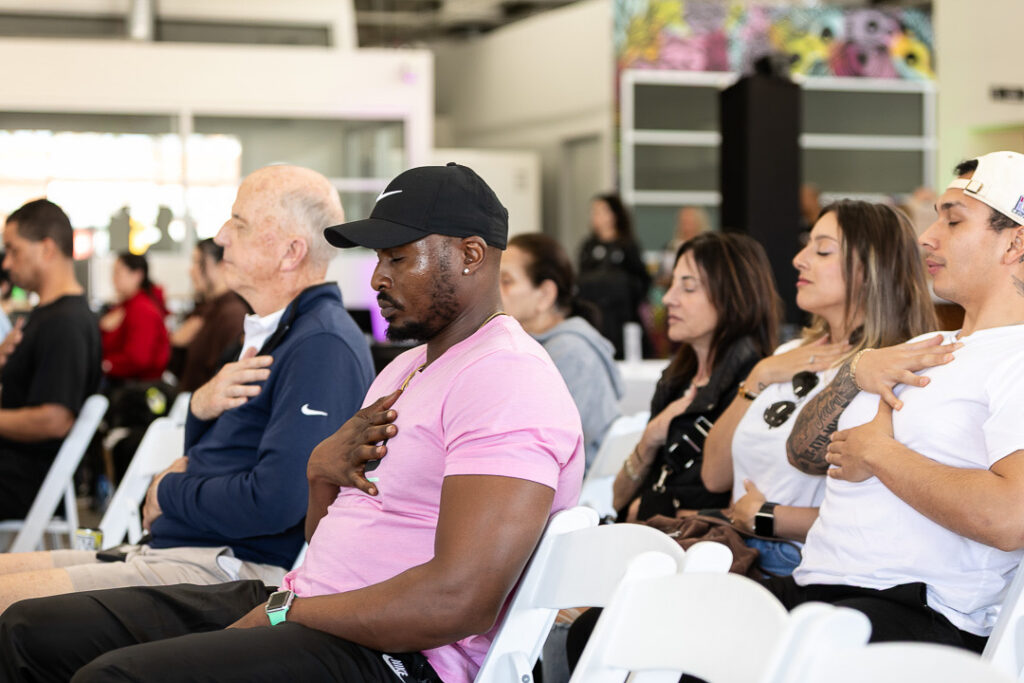
Career Lab by Coach360 comes to Las Vegas on July 17 and 18, 2026, built around a simple promise: build the career you want in fitness, and grow it, expand your business, and earn CECs in a single day designed for your growth. It is not a sit-and-listen conference. The day blends strategy, community, and movement, so you leave having actually built something.
The format is hands-on. Focused breakout sessions put you in small groups where you can ask questions and get tailored guidance across brand, business, and coaching tracks. Workshops have you working on your offers, pricing, content, and career strategy with live support. A Move & Mingle group workout connects you with other fitness pros through training rather than small talk. The agenda runs from a morning keynote on designing your 2026 career roadmap, through breakouts and an afternoon keynote, into the industry-leader panel block in the early afternoon, and closes with a session that turns the day into a concrete 2026 plan. You also earn CECs recognized by major certification bodies, which is part of why coaches treat the day as professional development rather than a networking detour.
The longevity panel sits inside that block of real talk with industry leaders. It is built for the coach who keeps getting the recovery-score question on the gym floor and wants a sharper answer than a shrug. The panel is set to focus on recovery, biomarkers, sleep, performance, and long-term health strategy, with industry leaders and familiar faces including Dr. Jonathan Mike, Faithlyn Derla, Bob Thomas, and moderator Nathan Hyland.
“This event brings together people who are serious about growing, evolving, and redefining what success in fitness really looks like, and that’s a conversation worth being in.”
— Dr. Jonathan Mike, Owner of Scientific Strength
Coaches are no longer only managing workouts. They are managing client expectations around healthspan, recovery, readiness, and wearable data. The panel exists because that shift is already here, and the coaches who handle it well are the ones with a method, not an opinion.
Ask Before You Interpret
ACSM named wearable technology the No. 1 global fitness trend for 2026, and noted that nearly half of U.S. adults now own a fitness tracker or smartwatch. Clients now walk into sessions with numbers before they have any context for them. Before you explain a wearable score, ask what changed first: sleep, stress, soreness, travel, food, alcohol, illness, or training load.
The goal is to slow the conversation down before a single metric becomes the whole plan, not to turn the coach into a clinician. A coach can use data to ask better questions. They can adjust load, shift intensity, track patterns, and discuss habits. What they should not do is diagnose a lab value or turn a wearable score into a medical conclusion.
Adjust the Session, Not the Diagnosis
Poor sleep, high soreness, and low readiness should change how you coach the day. They should not push you into diagnosis. The American Heart Association includes sleep in Life’s Essential 8, alongside physical activity, diet, nicotine exposure, weight, cholesterol, blood sugar, and blood pressure. The AHA sleep metric recommends 7 to 9 hours of sleep daily for optimal cardiovascular health in adults, and the CDC places physical activity inside chronic disease prevention, where 150 minutes of moderate weekly activity can reduce disease risk.
A client with poor sleep, heavy soreness, high stress, and weak readiness does not need blind intensity. They need a coach who can read the week and adjust the session: holding load, moving from intervals to Zone 2, reducing volume, or changing the day’s goal.
“I love seeing these coaches show up hungry to receive from all the speakers and panelists. And best yet, we all learn from each other.”
— Nathan Hyland, Co-Founder & Managing Partner, Lapaix Hyland GBC
Biomarkers Need Better Questions, Not Coach Diagnosis
Life’s Essential 8 includes blood pressure, cholesterol, blood sugar, and weight, and notes that hemoglobin A1c can reflect long-term blood sugar control in diabetes or prediabetes. That still does not make lab interpretation a coaching job. An evidence-based longevity coach should ask whether a clinician reviewed the result, ask what guidance the client received, and align exercise habits with that guidance. They should not diagnose, prescribe, adjust medication, or explain abnormal labs.
Use this cue:
“Bring that result back to your clinician. Once they give you guidance, I can help you build the habits around it.”
That line protects the client as well as the coach. The coach’s job is to support training, recovery, movement, and behavior inside scope. It is the clinician who should be in charge of interpreting the marker.
Evidence-Based Longevity Coaching Is a Career Advantage
Longevity-advantage clients are asking for more than hard sessions. They want:
- Strength that keeps them capable
- Cardio that supports energy
- Recovery that fits real life
- Sleep, stress, and performance discussed in one plan
ACE’s 2025 healthspan guidance gives practical strategies for health coaches and exercise professionals, built on aerobic training, resistance training, balance, flexibility, structured sessions, and lifestyle activity. A coach who understands longevity builds repeatable systems around strength, aerobic work, mobility, recovery, sleep habits, and consistency.
Lead, Support, Refer
Use this as the referral framework for longevity coaching.
- Lead the training plan, recovery-aware coaching, habit structure, session adjustments, and movement consistency.
- Support client questions, provider-directed goals, behavior change, pattern tracking, and communication with allied health professionals when appropriate.
- Refer when the issue is medical. That includes abnormal labs, chest pain, fainting, unexplained shortness of breath, rapid health changes, suspected sleep disorders, dizziness, worsening symptoms during training, or medication questions.
Clients need coaches who can help them train better. They also need coaches who know when the answer belongs to a clinician.
The Tradeoff: More Data Requires More Discipline
More data can improve coaching, but it can also create noise. Wearables can drive anxiety, and biomarker talk can drift into medical advice. One bad sleep score can make a coach overcorrect, and one readiness score can distract from the bigger pattern. Your job is not to chase every metric. It is to notice patterns, adjust training, and refer when the signal belongs outside coaching. That is the kind of discipline longevity coaching requires.
Related: Longevity Fitness Coaching: How to Shift Clients From Short Cuts to Long Games
Career Lab Las Vegas July 17–18 — Reserve Your Seat
The Longevity Advantage panel takes place at Career Lab Las Vegas on July 17. Coaches will hear how leaders are thinking about recovery, sleep, biomarkers, performance, and long-term client health strategy, and will leave with CECs and a 2026 plan.
Reserve your seat at coach360news.com/career-lab-by-coach360-vegas
FAQ
What is the Longevity Advantage panel at Career Lab?
It is a Career Lab Las Vegas panel on what clients expect from coaches around recovery, sleep, biomarkers, performance, and long-term health strategy. It sits inside the event’s industry-leader panel block and is built for coaches who are already fielding wearable and readiness questions on the floor.
What should an evidence-based longevity coach know?
An evidence-based longevity coach should understand strength, aerobic training, recovery, sleep, habit design, biomarker awareness, and referral boundaries. They support health behaviors without diagnosing or treating, and they know which questions belong with a clinician.
Can coaches talk about biomarkers with clients?
Yes. Coaches can ask whether a clinician reviewed the result and can use provider guidance to shape training support. They should not interpret labs, diagnose, prescribe, or adjust medication. The line is between supporting the habits around a result and interpreting the result itself.
Why does sleep matter in longevity coaching?
Sleep affects recovery, readiness, energy, and training response. Coaches can support basic sleep habits and adjust programming around poor recovery. They should refer when signs point to a medical sleep issue, such as a suspected sleep disorder.
This article previews a Career Lab by Coach360 panel and is intended as professional education for fitness coaches. It does not constitute medical advice. Interpreting labs and biomarkers, and any decisions about medication or treatment, belong with a qualified clinician.
Career Lab by Coach360 Vegas 2026: What Coaches Can Expect
I’ve stood in the back of enough studios to see the same look on a coach’s face after class. The room went well. The playlist hit. The cues landed. Clients left sweaty, smiling, and grateful. Then the coach checks the schedule, looks at the same weekly blocks, and realizes the harder question hasn’t changed: where does this career go next?
If you’re already coaching, the harder question isn’t whether you can lead the room. It’s where the room can lead you next. That’s the lane Career Lab by Coach360 is stepping into as it comes to Las Vegas.
Career Lab Is Built for the Coach Asking What Comes Next
Career Lab by Coach360 LIVE from Las Vegas runs from Friday, July 17, to Saturday, July 18, 2026. The venue will be announced soon, with Harry Reid International Airport listed as the airport for out-of-town attendees.
The event is built around a clear promise: help fitness professionals grow their careers, expand their businesses, and earn CECs in one concentrated experience.
Coach360’s Vegas event page centers the day on a 2026 career roadmap. Coaches can expect work around brand direction, niche clarity, revenue growth, client attraction, continuing education credits, industry connections, and stronger career confidence.
The real career shift starts when technical skill no longer holds a coach back. You can coach the class, hold the room, and keep clients coming back. That technical strength does not automatically give you the relationships, visibility, or business context that turns strong coaching into a longer career.
Career Lab is built around that next step.
Build a Mentor Map Before You Need One
“This year marks 23 years I’ve been in the fitness industry, first starting off as a personal trainer and supplement consultant at GNC at age 17.”
— Nathan Hyland, Co-Founder and Managing Partner, Lapaix Hyland GBC
He credits mentors for giving him advice, constructive criticism, and open doors along the way. That matters because most coaches don’t fail from lack of hunger. They stall because they don’t have enough access to people who can explain what actually changes a career.
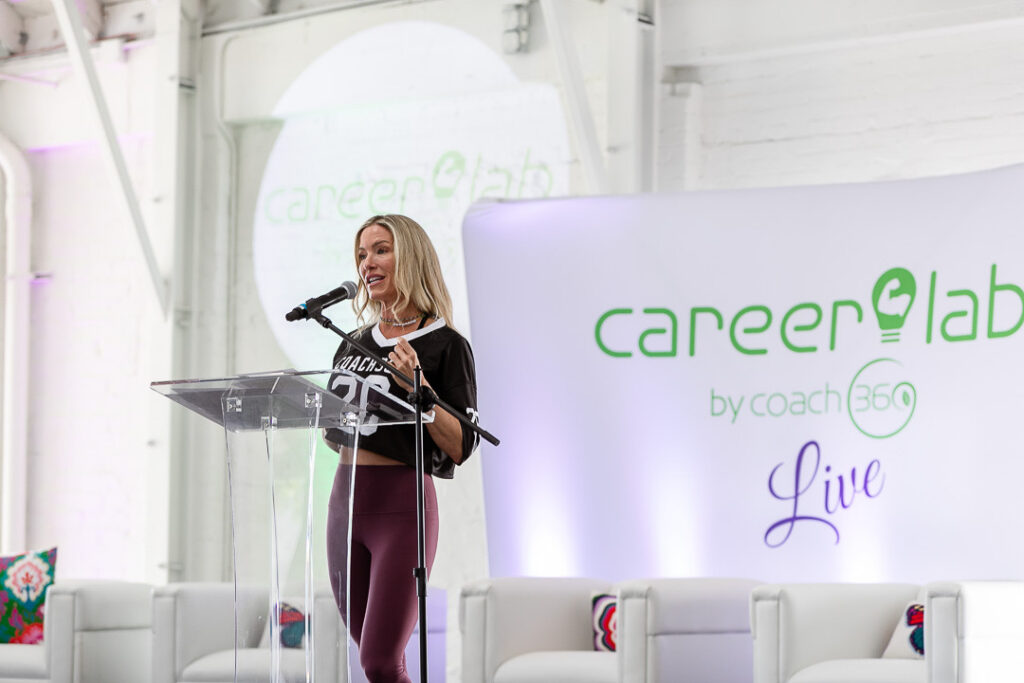
Hyland put it plainly: “Career Lab events allow me to give back and pass along the things I’ve learned over two decades.”
The event lets coaches learn from people who have been through the same pressure they face now. They’ve built teams, made mistakes, changed plans, hired staff, and grown in the fitness industry. Coaches will meet people who give useful feedback, explain hiring decisions, and point them toward roles they won’t see on the class schedule.
The Event Goes Past Class Coaching
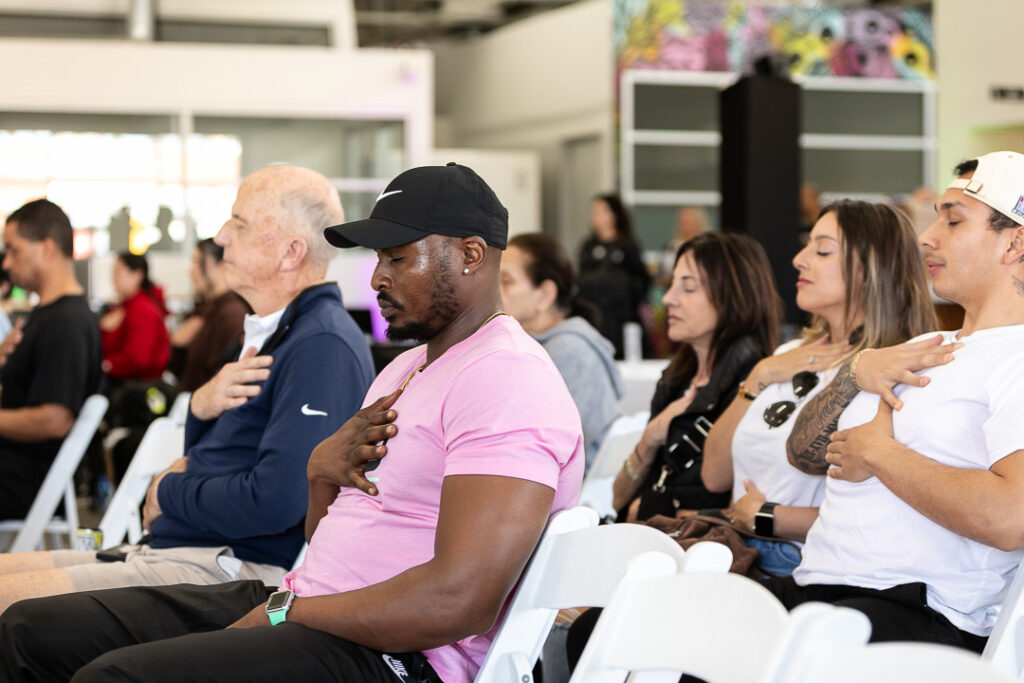
Day One includes sessions on identity, early-career trust, coach-to-brand growth, tech and data, longevity, hiring decisions, breakout labs, and long-term career durability. Those topics move past class delivery and into the parts of a career that often decide who advances.
Tricia Madden, Co-Founder of Fit Pro Programming, speaks directly to that point. She said coaches who are serious about “building a long-term career in coaching and fitness” should attend because the event gives them education, networking, and real-world insight that can challenge how they think, coach, and lead.
“Career Lab is the kind of event our industry has needed for a long time.”
— Dr. Jonathan Mike, owner, Scientific Strength
Dr. Mike pointed to tools, connections, and perspectives that help coaches build sustainable careers.
“This is not just another conference. Career Lab is designed for coaches and creators who want stronger positioning, clearer business strategy, and practical next moves they can actually apply.”
— Pamela Brown, EVP and Head of People & Culture, Crunch Fitness
Existing coaches don’t only need another motivational talk. They also need sharper judgment and to understand how hiring leaders evaluate readiness. They also need to understand how technology changes the coach-client relationship and how policy and advocacy can affect the profession’s future.
Career Lab puts those conversations into one room.
Related: The Coach-Client Relationship Has Changed: Three Roles That Define Modern Training
Turn Networking Into a Next-Move List
Brooke Vass, Lead Trainer at Life Time, said Career Lab helps coaches build the right connections. Those connections lead to jobs, grow their brand, and keep them close to current industry trends. Coaches who treat networking as a side task limit their career options.
Networking is built into Coach360 Career Lab Vegas. The “Fuel the System” breakfast connects coaches with brands through sponsor tables, ambassador talks, shared values, audience fit, and career goals. The event also includes networking blocks, lunch conversations, and an industry happy hour.
For coaches already in the field, the value comes from who they meet and what those conversations help them see clearly.
- Who is hiring?
- Which brands work with coaches?
- Which operators understand your skill set?
- Which leaders can tell you what separates a coach who stays stuck from one who moves into a stronger role?
Use Better Questions to Find the Next Role
Career Lab creates access, but coaches still need to arrive prepared. Bring better questions than “How do I grow?” Better questions help a coach turn a room full of industry access into a practical plan.
Ask:
- what role you want next
- what proof you need to show
- which skills are missing from your current career path
- what kind of coach you are becoming
- which brands, operators, or communities actually fit your value
The agenda’s “Inside the Decision” panel is built around how organizations assess readiness, growth potential, and long-term value. A coach should listen for patterns in this session.
What language do leaders use when they talk about advancement? What behaviors do they reward? What makes someone easy to trust with more responsibility?
The cue is simple: don’t collect contacts — leave with a next move.
The Tradeoff: The Room Won’t Build the Career for You
A coach still has to introduce themselves, ask specific questions, take notes that turn into action, and maintain relationships after Vegas. The event compresses learning, but career growth still needs execution.
Last year, Coach360 2025 Career Lab in Anaheim brought almost 200 fitness professionals together. The event focused on career growth, real challenges, practical sessions, and strong connections. The room gives a coach momentum, but the coach still has to act on it.
What Coaches Can Expect in Las Vegas
Career Lab by Coach360 brings coaches together for breakfast networking, keynotes, panel discussions, lunch relationship-building, breakout labs, afternoon networking, and a closing keynote on resilience and reinvention. Attendees can expect help with their 2026 career roadmap, brand direction, revenue growth, client attraction, and industry connections.
Early-bird tickets are listed at $50, with regular pricing at $149. Tickets include the two-day event, meals, snacks, sessions, networking, the workout, and CEC credits.
FITHIRE — EXPLORE COACHING CAREER OPPORTUNITIES
Coaches who want to grow past the weekly class schedule need to see roles that fit their skills, goals, and next step. FitHire helps fitness professionals find coaching jobs with clearer steps and more transparency.
Build the Career With More Intention
Career Lab by Coach360 comes to Vegas with a clear message: coaching careers need more than talent and energy. They need relationships, direction, industry context, and honest conversations about what growth takes.
A coach can keep teaching classes and still feel stuck. Career Lab gives that coach a different room, one built around career strategy, leadership insight, brand access, and long-term direction.
The coach still has to do the work, and Coach360 Career Lab gives that work a place to start.
Frequently Asked Questions
What is Career Lab by Coach360?
Career Lab by Coach360 is a live career-development event for fitness professionals. The Las Vegas agenda includes keynotes, panels, breakout labs, networking, brand connections, and sessions built around long-term growth in fitness.
Who should attend Career Lab in Las Vegas?
Career Lab is built for coaches who already work in fitness and want a clear next step. It fits coaches who want to move into leadership, build stronger industry relationships, connect with brands, or learn what hiring leaders look for.
What can coaches gain from Career Lab?
Coaches can gain career strategy, networking access, brand exposure, mentorship, and a clearer view of how the industry evaluates talent. The goal is to leave with stronger direction, not a longer note file.
When and where is Career Lab by Coach360 Vegas?
Career Lab by Coach360 LIVE from Las Vegas runs Friday, July 17 through Saturday, July 18, 2026. The venue will be announced soon. Harry Reid International Airport is listed as the airport for out-of-town attendees. Early-bird tickets are $50, with regular pricing at $149.
This story was produced by the Coach360 editorial team. Coach360 covers the business of health, fitness, and wellness coaching, with a focus on operators, brands, and the career decisions that move coaches forward.
Coaching Evolution: How Angela Miranda Built a Practice Around What Motherhood Taught Her
Editor’s Note
Since this story was written, Angela Miranda competed in Tokyo at the 2026 Muscle Contest Japan Pro, the first IFBB Pro Women’s Fit Model Open in the division’s history. She placed 5th and medaled against a field of 48 athletes from 14 countries. For a coach who built her career through four pregnancies, postpartum comebacks, and a practice devoted to helping mothers reclaim their identity, walking onto that stage in Tokyo was not the end of the story. It was the next chapter. Congratulations, Angie.
Coaching evolution sometimes looks like sixteen weeks of training, seven days a week, to stand on a stage for thirty seconds and place near the bottom. Angela Miranda has done that more than once. She has prepped for an NPC show while pregnant, come back after postpartum recovery, dieted down, posed under the lights, and watched the judges move past her. The feeling, she says, is defeating. She kept going anyway.
Miranda is an IFBB Pro in the Fit Model division, a Quantum Transformation Coach, and an assistant coach with Team Zero Gravity under Ryan Bentson. Her coaching practice focuses on mothers. Not athletes broadly, not general population, but mothers who want to invest in their own fitness and keep running into the belief that they cannot. Eight years, four pregnancies, and a competitive bodybuilding career built the method. The losses on stage sharpened it.
Postpartum to Stage: Where the Method Started
Miranda’s first NPC prep began in 2017, shortly after the birth of her first child. The decision came from a place most new mothers recognize but few act on. She did not feel like herself. She did not look like herself. The energy was gone and the endurance was gone, and it ran deeper than the mirror.
“Motherhood was the most raw and unfiltered experience I’ve ever had. My idea of strength completely shifted. I didn’t recognize who I saw in the mirror, how I felt energetically or with endurance. I felt fragile and sluggish, and it was far more than just the outside image. In that moment, I decided to pursue something on my bucket list for a very long time.”
— Angela Miranda, IFBB Pro, Quantum Transformation Coach, Team Zero Gravity
Her reasoning was blunt: I endured childbirth, I can literally do anything. She called Ryan Bentson, a close friend of her husband and one of the top bodybuilding coaches in the country, and started a prep with no background in structured training or nutrition programming. Structure and discipline were not part of her upbringing. Everything from progressive overload to macro tracking was new. She built her competitive foundation from zero, which shapes how she works with clients who are also starting from scratch. [See also: how first-time coaches build credibility through personal training experience]
Competing Through Four Pregnancies
Between 2017 and 2024, Miranda competed in NPC Bikini events while navigating four pregnancies and postpartum recoveries. Her record includes first-place finishes at the 2021 NPC Los Angeles Grand Prix and the 2024 NPC West Coast Naturals in San Diego, plus a top-16 finish at the 2024 NPC USA Championships. In 2024, she earned her IFBB Pro card in the Fit Model division, becoming the first woman to hold that specific distinction.
The wins look clean on paper. The path between them does not. Miranda prepped for shows knowing she might not place. She returned to competition-level training after each pregnancy treating the process as a new phase rather than a correction. Her language about this is precise, and it matters if you coach anyone coming back from an extended break.
“The amazing thing about being a competitor is knowing the stage will always be there. Pregnancy requires time away, but there are shows year-round to pick up right where you left off. My mindset was never to bounce back. It was understanding what a beautiful blessing it is to rebuild stronger each time.”
— Angela Miranda
The word is rebuild, not bounce back. When a client hears “bounce back,” the implication is that they lost something and need to recover a previous version of themselves. When they hear “rebuild,” the implication is that what comes next might be better than what came before. Miranda uses that distinction on purpose, and coaches who work with postpartum clients or anyone returning from a long absence will recognize why the framing changes the conversation.
Where the Childhood Enters the Coaching
Miranda grew up in a home where both parents struggled with severe addiction. The environment was unstable, chaotic, and unpredictable. She and her siblings witnessed abuse and learned to operate in survival mode. Both parents eventually broke their addictions when Miranda was a teenager, but by then the damage to structure and routine was done. They divorced and started over, and the guidance and discipline she needed as a teenager was not available.
She remembers thinking, as a teenager, that there had to be more to life than what she was seeing. She did not yet understand that her entire frame of reference was survival. It took years and a bodybuilding career to recognize what that childhood had built into her automatic responses.
“Childhood experiences don’t just create memories. They create automatic reactions, beliefs, and emotional reflexes that follow you into adulthood until you become aware of them. My coaching program allows women to become aware of the conversations created from the past that could be disempowering, and to create a blank slate for a new future.”
— Angela Miranda
This is the piece that separates Miranda’s coaching evolution from a standard bodybuilding prep service. She is not offering meal plans and training splits. She is coaching women through the internal resistance that shows up when someone who never had structure tries to build it. The mother who feels selfish for going to the gym. The client who commits to a plan on Monday and abandons it by Wednesday because the guilt kicks in. Miranda coaches through those reactions because she had to work through them herself, first as a teenager with no framework, then as a new mother rebuilding from scratch.
What the Practice Looks Like Now
Miranda works as an assistant coach with Team Zero Gravity and runs her Quantum Transformation coaching program focused on mothers. The method combines bodybuilding prep fundamentals with mindset coaching that targets what she calls disempowering conversations, the automatic beliefs clients carry from past experiences that surface as resistance to structure, consistency, or self-investment. [See also: how to build a coaching niche that retains clients long-term]
Her audience is specific: mothers who want to pursue fitness goals and feel torn between self-investment and daily responsibilities. She does not coach athletes broadly. She does not coach general population. The specificity is the practice. A mother scrolling Instagram at 11pm sees Miranda’s content (57,000-plus followers and growing) and recognizes her own internal argument. The coaching starts before the first session because the client already sees herself in Miranda’s story.
Her children are getting older now, each getting into sports, and Miranda says the mentality she built through competition is what she teaches them. Not every game will be a win. Every loss is a learning lesson. Show up, stay persistent, and understand that the best is not always the most talented. It is the one who keeps going. The coaching practice and the parenting practice run on the same principle.
The Stage and the Coaching Method
Miranda’s coaching evolution did not happen because she found the right certification or attended the right seminar. It happened because she kept solving problems she personally understood and then built a repeatable approach around those solutions. The postpartum recovery became the intake framework. The childhood adversity became the mindset methodology. The competition losses became the resilience language she uses with clients who want to quit after a bad week.
Sixteen weeks of prep. Thirty seconds under the lights. A placing that does not reflect the work. Miranda knows what it costs to keep going after that, and she coaches mothers who face their own version of the same math every day. The practice grows because the specificity is real. It came from somewhere, and the clients can tell.
FAQ
How do you build a coaching niche from personal experience?
Start with the specific problem you solved for yourself. Miranda built her practice around postpartum rebuilding and mindset work for mothers because she lived both. Coaches who try to serve everyone attract no one in particular. Specificity creates identity, and identity attracts clients who see their own situation in your story.
How do competitive bodybuilders transition into coaching careers?
Competition provides technical credibility, but coaching requires a different skill set. Miranda’s transition involved working under an established team, Team Zero Gravity, while developing her own methodology on the side. The move requires mentorship from experienced coaches, a client base within a specific niche, and treating coaching as a skill that improves separately from competitive performance.
What does a coaching evolution look like in fitness?
A coaching evolution typically moves through technical skill development, niche refinement, and methodology development. Miranda’s eight-year arc followed this path: from raw competitor learning programming and nutrition, to assistant coach under Ryan Bentson, to independent practitioner with a defined audience and framework. The evolution accelerates when personal experience meets professional structure and a specific population to serve.
What Crunch Signature Actually Looks for in a Trainer
Most coaches know Crunch. Orange logo. More than 550 locations across six countries. What many do not realize is that Crunch operates through both corporate owned and franchise operated locations, forming a broad and diverse network under one brand.
Crunch Signature clubs are part of the corporate portfolio. These full-service, corporate-owned gyms are concentrated in New York City, Los Angeles, San Francisco, and Miami. More than two dozen operate today, with pricing, amenities, and talent expectations aligned to the corporate operating model.
This article focuses specifically on what Signature looks for when hiring and developing trainers within that environment.
Pamela J. Brown oversees talent strategy for Signature and partners across the Crunch network. She serves as Executive Vice President, Head of People and Culture at Crunch Fitness. The recruiting philosophy described below reflects the corporate owned Signature clubs. [See Pamela J. Brown’s LinkedIn profile for her full background.]
The Hiring Filter at Signature Clubs
Certification opens the door. An NCCA accredited credential is required, with a 60-day completion window from hire date if a candidate does not yet hold one. That standard is clear.
Credentials alone are not the differentiator.
“Certifications and programming knowledge remain essential, but the differentiators today are emotional intelligence, business acumen, and service mindset. We look for leaders who elevate every interaction, create a sense of belonging, and treat every dollar a member spends as a vote of trust.”
— Pamela J. Brown, Executive Vice President, Head of People and Culture, Crunch Fitness
At Signature, a trainer is responsible for more than sets and reps. They are accountable for the full member experience.
At Crunch Signature locations, members are making a meaningful investment in their health and expect elevated standards, tailored programming, and visible progress. Across the broader Crunch network, pricing, amenities, and service models vary based on ownership structure and market strategy. Trainers are expected to understand the standards of the specific club environment in which they operate and deliver an experience aligned with that model.
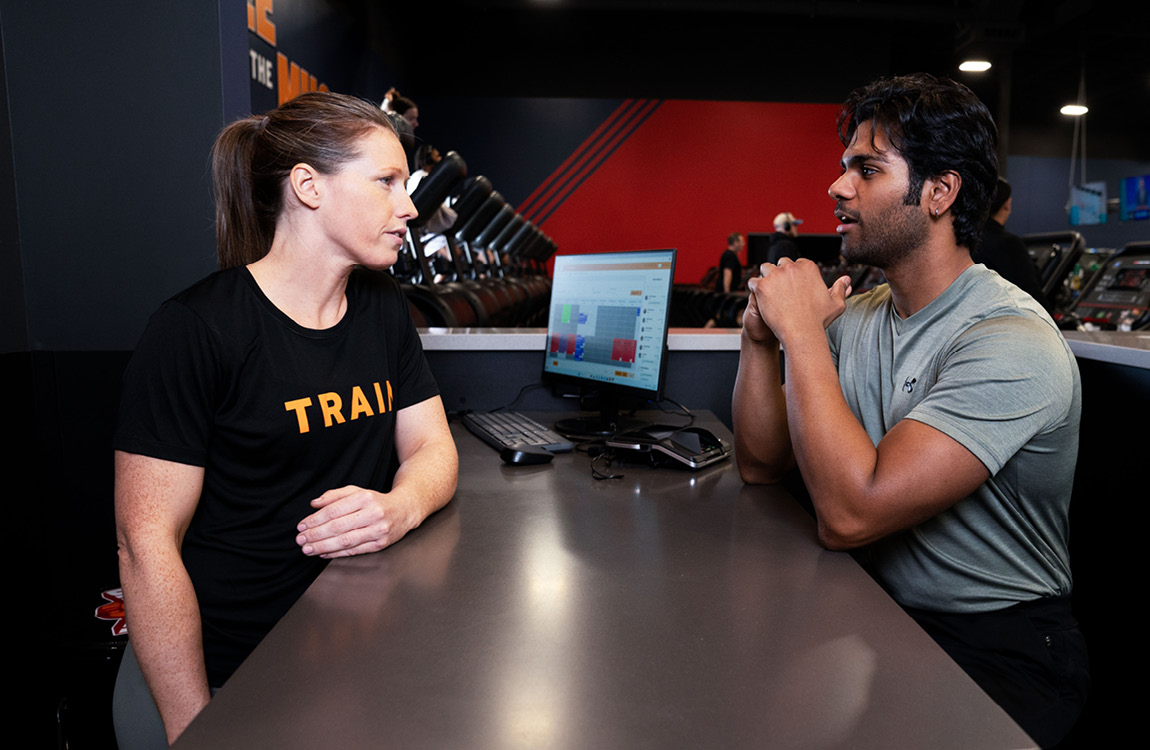
High performing trainers at Signature tend to demonstrate three qualities early in their tenure. They build trust quickly. They think like business partners, not hourly employees. They take ownership of results.
Several top performers began in entry level roles such as front desk. Within the corporate model, there are structured development pathways that support progression from entry roles to the training floor and into leadership. Advancement is tied to performance, consistency, and member retention impact.
What to look for when evaluating personal trainer jobs at gyms and studios.
The Role Has Shifted. The Job Title Has Not.
The title remains personal trainer. The scope has expanded.
At Signature clubs, trainers design individualized programs, connect members to group fitness offerings, recommend recovery services, and adjust plans as goals evolve. Strength, mobility, longevity, and performance are treated as part of a unified member strategy.
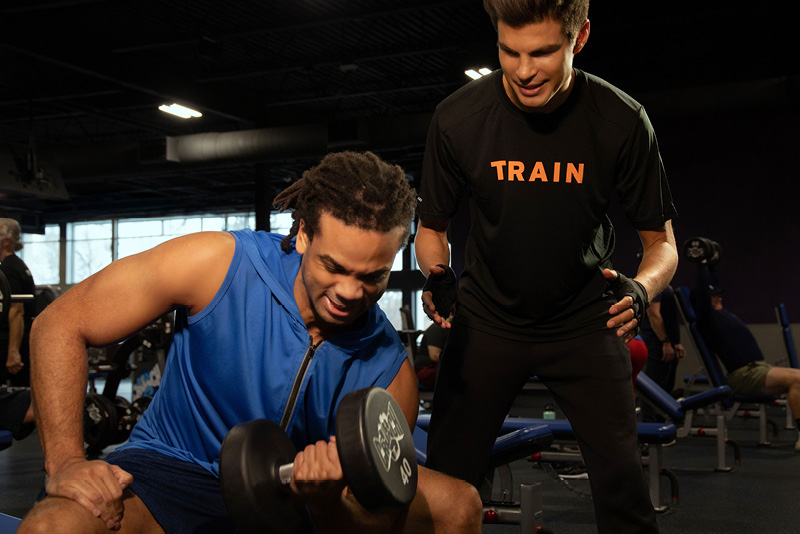
Brown describes each interaction as a moment of truth. Every touchpoint either builds or erodes trust. Trainers are evaluated not only on sessions delivered, but on member engagement, rebooking behavior, and long-term retention impact.
Personalization extends beyond programming. It includes remembering names, understanding motivations, communicating progress clearly, and adapting to the needs of each member in real time.
Signature expects trainers to operate as professionals within a service business. Those who embrace that expectation often build sustainable books of business and long-term careers.
Compensation at the Corporate Clubs
Corporate owned Signature clubs operate under centralized compensation, benefits, and talent standards. Franchise clubs are independently owned and operated. Compensation, benefits, and certain operating decisions are determined by the franchise partner within brand guidelines.
The details below apply specifically to corporate owned Signature clubs.
Corporate Signature compensation follows a base plus incentive structure, with earnings potential tied directly to performance. Current postings indicate earnings potential up to $67 per training hour, plus commissions. Compensation varies based on role, tenure, performance, and club volume. The advertised rate reflects combined base and incentive potential at select corporate locations.
Benefits eligibility is tied to hours worked during the applicable measurement period. Eligibility and plan details are subject to change and may vary by role and measurement period.
| Benefit | Details (Crunch Signature / Corporate) |
|---|---|
| Base + Incentives | Up to $67/hr (plus bonuses, commissions) |
| Medical/Dental/Vision | Available at 25+ avg hrs/week during measurement period |
| 401(k) | Company match available |
| PTO | Paid vacation and holidays (qualifying trainers) |
| Education Support | Tuition reimbursement, continuing education support, including select complimentary CEUs, CPR/AED recertification |
| Membership | Complimentary Crunch membership |
Continuing education support, certification assistance, and internal development programming are part of the broader people strategy focused on retention and progression.
How continuing education investment affects trainer retention and career growth.
The Culture Question
Crunch was founded in Greenwich Village in 1989. The No Judgments philosophy remains central across the entire network.
Crunch’s philosophy is an inclusive, fun, and authentic service environment. Trainers work with members across ages, goals, and fitness levels. That diversity expands coaching capability and requires adaptability.
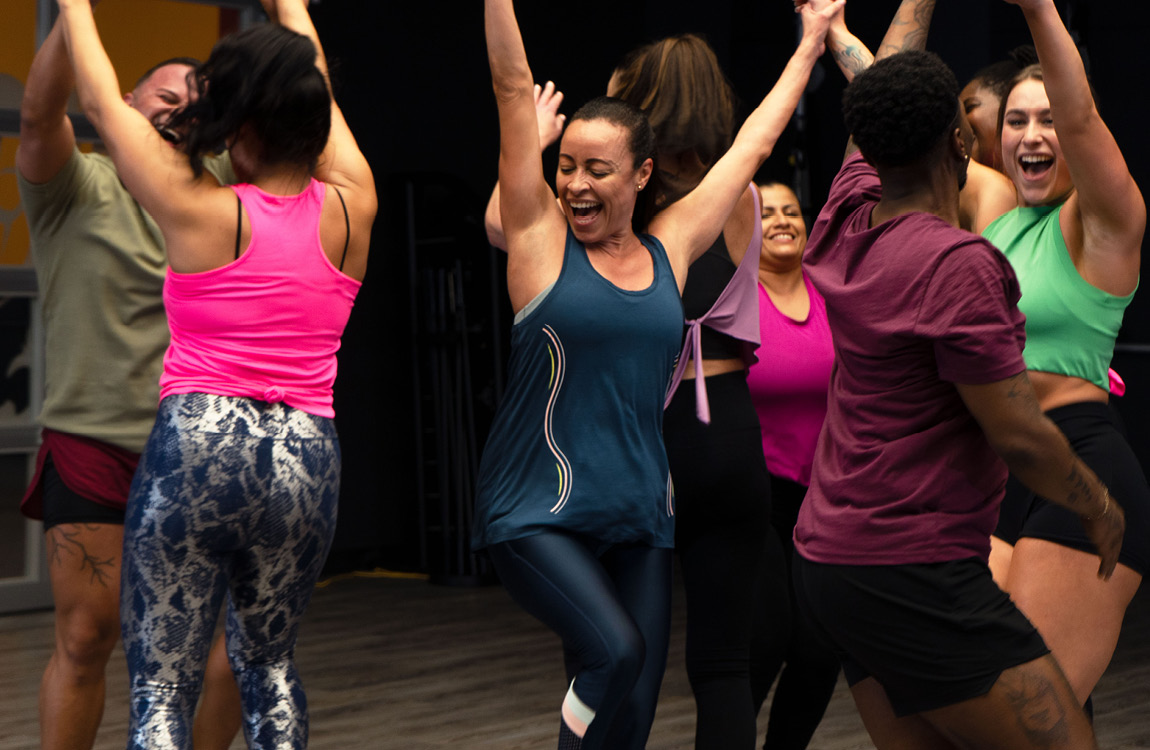
Brown frames retention around mentorship, performance clarity, and purpose.
“We are building careers, not just filling shifts. People who thrive here treat every interaction as a chance to make a difference. Delivering hospitality builds loyalty, and consistency scales success.”
— Pamela J. Brown, Executive Vice President, Head of People and Culture, Crunch Fitness
Both corporate owned and franchise operated locations carry the Crunch name and operate within the same brand framework and No Judgments philosophy. Signature clubs operate within a centralized corporate model that includes standardized processes and defined development pathways. Coaches evaluating career options should consider the ownership model and operating environment of each location to determine alignment with their professional goals.
For trainers motivated by measurable growth, structured feedback, and clear performance expectations, Signature offers a professional environment designed to support long-term career development.
Where to Apply
Coaches looking for Crunch Signature roles can find current openings through FitHire by Coach360, which lists Signature-specific positions and distinguishes them from franchise operated roles so candidates can identify the right fit.
Both corporate owned and franchise operated locations carry the Crunch name and operate within the same brand framework and No Judgments philosophy.
FAQ
What qualifications do you need for a personal trainer career at Crunch Signature?
An NCCA accredited personal trainer certification such as NASM, ACE, or equivalent is required. New hires have 60 days from date of hire to complete certification if needed. A degree in exercise science may be considered in lieu of certification, subject to role requirements and state regulations. Prior training experience is preferred but not required for all roles.
How much do personal trainers at Crunch corporate locations make?
Corporate owned Signature locations structure pay through a base plus incentive model. Current postings indicate earnings potential up to $67 per training hour, plus commissions. Compensation varies based on role, tenure, performance, and club volume. Franchise operated locations establish compensation structures based on ownership and the local market.
Does Crunch Signature offer career growth beyond the training floor?
Within the corporate model, there are structured development pathways supporting progression from entry level roles to the training floor and into leadership positions such as Fitness Managers, District Fitness Managers, and Master Personal Trainers. Continuing education support, including select complimentary CEUs, and certification assistance support long-term professional development at the corporate clubs.
This overview reflects the corporate Signature model at the time of publication and is intended to help coaches evaluate alignment with their professional goals.
How to Improve Client Retention as a Fitness Coach — 7 Habits That Keep Clients for Years
What separates coaches who compound from coaches who churn
Client retention is a habit, not a personality trait.
At last month’s Career Lab by Coach360, that distinction was clear. The coaches in the room weren’t asking how to get more leads. They were asking how to build careers that don’t depend on constant replacement. They weren’t the most energetic coaches on the floor. They weren’t running another six-week challenge to refill the schedule. They were operating differently, thinking longer, communicating more deliberately, and building structure around their service instead of relying on early momentum.
Coaches who keep clients for years do something specific differently from coaches who constantly replace churn. It isn’t a personality advantage. It’s a set of habits that anyone can learn and install.
Here’s what actually separates short-term coaching from long-term client retention.
If you missed the Career Lab recap, revisit it at Coach360News.
-
Client Journey Mapping Beyond the First 90 Days
Most cancellations happen after the initial excitement fades.
The first 8 to 12 weeks are structured. There’s novelty. There are visible changes. Then life settles in. Work gets busy. Travel picks up. Motivation fluctuates. If you don’t have a plan beyond the early phase, clients feel it, and they start wondering whether they still need you.
Retention-focused coaches build visible progression past month three. They communicate phases. They talk about strength cycles. They explain maintenance seasons. They map out what the next six months could look like before the client has a reason to ask.
In our feature on Faithlyn Derla, what stood out was discipline, not speed. It was discipline. She built her career by strengthening fundamentals before scaling. That long-game mindset translates directly to client relationships. If your coaching structure only works when results are dramatic, it won’t hold when progress stabilizes.
-
Identity Reinforcement: Coaching the Person, Not Just the Result
Long-term client retention isn’t driven by body fat percentage. It’s driven by identity.
Experienced coaches pay attention to behavior shifts and name them out loud. Not just the metrics, the moments that signal someone is becoming a different person.
“You handled that setback better than you would have six months ago.”
“You’re someone who trains consistently now.”
That language matters because it reframes what coaching is. When clients begin seeing themselves differently, they don’t view the relationship as a temporary service. It becomes part of who they are.
At Career Lab, one line by Kathleen Ferguson, Coach360 Founder & CEO captured this clearly: “The fitness industry runs on passion, but it thrives on real connection.” Connection isn’t small talk. It’s recognizing growth that clients don’t always see in themselves.
-
Preparing Clients for Plateaus Before They Happen
Plateaus don’t ruin client retention. Surprise does.
If a client hits a strength stall or the scale stops moving and you haven’t prepared them for it, doubt creeps in quickly. They start wondering whether the program is working, whether the coach knows what they’re doing, and whether it’s worth continuing.
Retention-minded coaches normalize these patterns before they arrive:
- Adaptation slowdowns after the first training block
- High-stress work periods that compress recovery
- Travel interruptions and how to train around them
- Maintenance blocks and why they’re intentional, not passive
- Motivation dips as a physiological pattern, not a character flaw
When those seasons arrive, the conversation isn’t reactive. It’s already been had. “This is part of the process” lands differently when a client has heard it three months before it happened. Trust deepens when clients realize nothing is wrong.
-
Building Standards, Not Just Sessions
In our feature on Luke Milton’s Blueprint for Club and Studio Success, sustainable growth came down to structure and culture, not intensity. The same principle applies at the individual coaching level.
Clients stay longer when coaching has clear standards they can orient around:
- Defined expectations around attendance and communication
- Structured check-ins at predictable intervals
- Clear policies on session changes and cancellations
- Visible progression models that show where the client is in their journey
When standards are loose, retention is fragile. When standards are consistent, clients feel stability. This isn’t about being rigid. It’s about being reliable, and reliability is one of the strongest retention signals a coach can offer.
-
Teaching Clients to Operate Inside the Framework
Dependency creates risk.
A client who misses one week and spirals is a fragile system. A client who misses one week, adjusts, and comes back on track without a crisis call is a durable one. The difference is whether you’ve taught them how to make decisions inside your framework, not just how to follow a program.
Long-term coaches explain the “why” behind their programming. Not a lecture. A running conversation that builds the client’s ability to self-manage when you’re not in the room.
What this looks like in practice: A client has a work trip coming up and only has access to a hotel gym. A coach who has taught load management doesn’t get a panic text. They get a message that says, “I’m thinking bodyweight circuit, two days, 30 minutes. Does that work?” The client made a decision inside the framework. That’s what durability looks like.
Before a travel week, walk the client through the decision: how to pick exercises, how to scale effort without equipment, how to know when easy is right and when to push. Before a high-stress period at work, explain what a maintenance block looks like and why it isn’t a setback. Before a deload week, tell the client what to expect so the lower intensity doesn’t read as lost momentum.
Clients who feel capable stay longer than clients who feel managed. The goal isn’t to make yourself indispensable through dependency. It’s to make yourself irreplaceable through the confidence the client has in themselves, because you built it.
-
How to Track Client Retention as a Business Metric
Retention isn’t emotional. It’s measurable, and coaches who treat it as data make smarter adjustments than those who treat it as personality.
The metrics worth tracking:
- Average client lifespan from sign-up to cancellation
- The month most cancellations tend to occur
- Revenue per client lifecycle, not just per session
- Seasonal drop-off patterns across the year
If you consistently lose clients at month four, that’s not coincidence. That’s a signal pointing at something specific, a gap in the journey map, a missing check-in, a moment where the structure got loose.
Most coaches don’t need a CRM to start. A simple spreadsheet with client start date, current status, and cancellation date, reviewed monthly, surfaces the patterns within two to three cycles. The goal isn’t sophisticated software. It’s the habit of looking at the data.
-
Continued Development as a Retention Signal
Clients notice when growth stops.
The professionals at Career Lab weren’t beginners. Many had established rosters. They were there because refinement matters, and because clients notice when you stop pursuing it.
When a client sees you attend an industry event, reference a continuing education course, or explain a programming adjustment based on something you recently learned, it communicates something specific: this coach is still invested. That signal reinforces the client’s own investment in the relationship.
Professional development doesn’t require a conference ticket. It shows up in the questions you ask, the adjustments you explain, and the systems you keep improving. Clients who see their coach still growing don’t wonder whether they’ve hit the ceiling of what this relationship can offer.
Pick one section from this list. Run it for 90 days. Measure something. That’s the starting point.
The coaches who don’t scramble to replace churn every quarter aren’t the ones with the best marketing. They’re the ones who built the habit of retention before they needed it, and kept refining it after they thought they had it figured out.
FAQ · CLIENT RETENTION FOR FITNESS COACHES
How Do You Improve Client Retention as a Fitness Coach?
Client retention improves through structure, not personality. The highest-impact changes are mapping the client journey past the first 90 days, reinforcing behavioral identity rather than only results, normalizing plateaus before they happen, and tracking retention data to identify where clients drop off. Each of these is a repeatable system, not a natural talent.
What Is a Good Client Retention Rate for a Personal Trainer?
A strong retention rate for an independent personal trainer is typically 70 to 80 percent of clients renewing or continuing past the initial program. Retention rates below 50 percent at the 90-day mark suggest a gap in the client journey structure, not just client motivation. Tracking average client lifespan by month surfaces where the problem actually lives.
Why Do Fitness Clients Quit Their Coaches?
The most common reasons fitness clients discontinue coaching are: progress plateaus they weren’t prepared for, loss of perceived momentum after the first training phase, feeling managed rather than capable, and coaching that stops adapting as their life changes. Most cancellations aren’t about results. They’re about predictability. Clients leave when they can no longer see what’s ahead.
How Do You Build a Long-Term Coaching Relationship?
Long-term coaching relationships are built through visible structure, consistent communication standards, identity reinforcement, and explicit preparation for the difficult phases every client encounters. Coaches who map the journey past month three, teach clients to self-manage during disruptions, and track retention as a business metric build careers that compound rather than churn.
Coaches looking to expand professional opportunities can explore roles and operator connections through the FitHire by Coach360.
Building a Personal Training Business in a Big City: How to Stand Out from the Clutter
In major cities, personal training is more than a career; it is a crowded marketplace. Clients have access to countless gyms, boutique studios, and celebrity trainers. To succeed, trainers must combine skill with strategy, build credibility, and create experiences that distinguish them.
Alex Jamal’s journey illustrates how a combination of expertise, networking, and adaptability can turn challenges into opportunities. After a career-ending basketball injury, he transitioned to personal training while pursuing a degree in business, combining science with strategic planning.
“Understanding business was just as important as understanding the science of human performance,” Jamal recalls.
Finding Your Niche and Geographic Focus
Trying to serve an entire city can dilute your efforts. Jamal focused on West LA, including Marina del Rey, Venice, Culver City, and Santa Monica, where he could build strong client relationships without the need for constant travel. Specialization helps trainers dominate a zone, strengthen referrals, and create a recognizable brand.
Building Credibility Through Networking
Relationships in the fitness community are invaluable. Jamal attended seminars, trained at iconic gyms, and engaged with industry leaders. These connections led to high-profile clients, including Frank Stallone, and opportunities to judge competitions.
“Training Frank opened doors I didn’t even know existed,” Jamal notes.
Strategic networking fosters credibility and opens doors that advertising cannot reach.
Leveraging Reputation and Social Proof
Word of mouth and online presence drive visibility in urban markets. During the pandemic, Jamal pivoted to outdoor sessions, solicited client reviews, and boosted his online profile.
“Client testimonials and consistent results helped me gain trust fast,” he says.
Social proof amplifies authority and helps attract new clients.
Adapting to Market Challenges
City markets are dynamic, and trainers must be flexible. Jamal sold home gym equipment and launched outdoor programming during the COVID-19 pandemic, turning disruption into growth. The trainers who pivot quickly and creatively position themselves as reliable and resourceful.
Delivering Exceptional Experiences
Clients in big cities expect more than workouts; they seek curated experiences. Jamal’s private studio in Culver City emphasizes one-on-one sessions without distractions.
“My clients value privacy and personal attention,” he explains.
Delivering memorable experiences builds loyalty and strengthens a trainer’s brand.
Actionable Takeaways
- Define your niche and focus on a specific geographic area.
- Network deeply with industry peers, influencers, and local leaders.
- Build social proof through testimonials, reviews, and visible results.
- Stay adaptable to market changes and challenges.
- Offer experiences, not just training, to create client loyalty.
Final Thoughts
What separates thriving trainers from struggling ones often comes down to intentional choices, such as selecting a neighborhood and owning it, treating every connection as a potential door opener, and recognizing that clients may want to buy experiences wrapped around workouts.
Cities will always be crowded, and competition will remain fierce. The trainers who build lasting careers are those who understand that their reputation compounds over time through consistent delivery, strategic positioning, and relationship building. Clarity of purpose, combined with relentless execution, turns a saturated market into a sustainable business.
Kathleen Ferguson Appointed IEG Middle East as U.S. Ambassador for Dubai Active Industry
IEG Middle East is pleased to announce the appointment of Kathleen Ferguson as its new U.S. Ambassador, supporting the growth and global reach of Dubai Active Industry, the region’s largest health and fitness event, which will take place 24th-26th October at Dubai Exhibition Centre.
Kathleen is a respected leader with over 14 years of experience driving business development and strategic partnerships across the health, fitness and wellness space. Her career spans influential roles with IDEA Health and Fitness Association, Oxygen Magazine and Athletech News, where she has built a reputation for connecting brands, people and purpose.
At her core, Kathleen believes in the power of community. Most recently, she founded Coach360, a robust digital platform created to support the business of health, fitness, and wellness coaches working on the frontlines of chronic disease and obesity. Coach360 offers a holistic ecosystem that empowers professionals through curated content, educational resources, and career connections within top clubs and studios. Through an immersive staffing platform and an engaged community of like-minded professionals, Coach360 addresses critical industry challenges such as staffing turnover, while giving brand partners access to a trusted and highly motivated audience.
Her strength lies in bringing the right people into the room and creating the conditions for progress. That makes her an ideal fit for events. Kathleen has an instinct for where conversations need to go and who should be having them. As a mother of three and a strong advocate for women’s health, she brings depth, empathy and commercial clarity to every initiative she supports.
Speaking about her appointment, Kathleen said: “I’m honoured to be named the U.S. Ambassador for IEG Middle East, representing Dubai Active Industry. As a passionate advocate for the global fitness and wellness industry, this opportunity is deeply meaningful to me. The UAE is rapidly emerging as a dynamic hub for innovation and growth in our sector, and I’m excited to help bridge connections between international brands and the expanding community of owners and operators across the region. The momentum in this market is undeniable, and I look forward to supporting its continued rise on the world stage.”
Gavin Baxter, Commercial Director at IEG Middle East, added:
“We’re thrilled to have Kathleen on board. She’s an outstanding leader with a strong voice in the sector and an instinct for where the industry is heading. Her passion, integrity and ability to connect people across markets make her an ideal ambassador as we continue to grow Dubai Active Industry into the global meeting place for fitness, health and wellness.”
Kathleen will support international brand engagement, provide strategic insight into the U.S. market, and play a key role in shaping the content and partnerships for Dubai Active Industry this October.
Exploring the Future of Omnifitness with Lou Lentine, CEO of Echelon Fitness
Gyms without walls. Trainers on demand. Workout equipment that talks back. This is fitness in 2025, and Echelon is writing the rulebook. In his video interview, CEO Lou dissects this reality, unpacking how his company navigates the physical-digital fitness landscape.
Lou’s background spans fitness training and corporate leadership and he speaks candidly about entering the industry and the decisions that brought him to Echelon’s helm. Under his watch, the company fuses gym experiences with digital workouts, creating an omnifitness ecosystem that works for eclectic lifestyles.
Lou unpacks Echelon’s response to customers wanting traditional and digital fitness options. He outlines product development strategies and how the company positions itself to meet customers where they’re at. From connected bikes to streamed workouts, Echelon lets people exercise on their terms.
Strategic partnerships drive Echelon’s growth strategy. Lou details how these collaborations expand market reach while enhancing customer satisfaction. He explains their process for turning user data into product improvements that resonate with their diverse audience.
Echelon balances innovation with affordability. Lou breaks down their approach to delivering premium experiences without premium pricing, making quality fitness accessible to more people.
As personalized fitness gains momentum, Echelon harnesses technology to create adaptive user experiences. Lou shares his roadmap for omnifitness and how Echelon plans to stay ahead of industry shifts.
The interview reveals what’s next for Echelon Fitness as Lou maps out the company’s future direction.
From Rock Bottom to Redemption: Yvette Salvas’ Journey of Resilience
Join me today to learn about my friend, Yvette Salvas, author of Booze, Blow, and Pancakes. I’ve had the personal joy of getting to know Yvette through working with Todd Durkin, and her story is nothing short of inspiring. Yvette takes us on a raw and authentic journey from the depths of addiction and homelessness to the heights of entrepreneurship. In her powerful memoir, she shares her struggles, the lessons she’s learned, and how she broke free from the grip of addiction. Her story is a testament to resilience and strength, and her vulnerability shines a light for others to find hope, no matter how impossible their circumstances may seem. This episode will leave you inspired by Yvette’s journey of transformation, showing that it’s never too late to turn your life around.
Next Page »

Subscribe to our Newsletter
Powering the Business of Health, Fitness, and Wellness Coaching