
Mastering the Art of Setting Boundaries
You spend a large chunk of your life coaching others toward health and wellness, so it’s important you create a healthy balance that also allows you to thrive without burning out. My advice?
Protect your time!
Your time is precious, so don’t be afraid to guard it…fiercely. Whether it’s setting limits on meeting times, carving out uninterrupted work hours, sharing your availability or prioritizing tasks– be sure to set boundaries that will allow you to perform your best.
Bonus: You model good behavior for clients as well.
The Art of Setting Boundaries: Strategies for Success
Remember that you can’t pour from an empty cup, so be sure to make self-care a non-negotiable part of your routine. Set boundaries that will allow you to pause, recharge, reduce stress and do things that give you energy. Below are some examples.
- Time Management: Prioritize and protect your professional time. Clearly define work hours, establish focused work periods, and communicate your availability to clients and colleagues. This ensures you can dedicate your best efforts to client sessions while preserving personal time for rest and rejuvenation.
- Communication Guidelines: Set expectations for communication with clients. Specify how and when they can reach you and establish protocols for emergency situations. This helps manage clients’ expectations and supports a structured approach to your coaching practice.
- Workload Balance: Discuss and negotiate your workload with supervisors or, if self-employed, set realistic goals for client intake. This prevents overcommitment and ensures each client receives the attention and care they deserve.
- Personal Life Protection: Make clear distinctions between work and personal life. Inform clients and colleagues of your off-hours to prevent work from encroaching on your personal time, crucial for mental health and overall well-being.
Sample Scripts to Share With Clients
Need a little kickstart? Try the following scripts in your own professional life and share with clients.
Setting Communication Expectations: “Hey team, I’m excited to dive into this project with you all! Just a heads up though, I’m carving out some ‘focus time’ during the day to really nail down my tasks. I won’t be as responsive on the Slack group chat, but please feel free to ping me directly if something is urgent.
Managing Workload: “Morning [Manager], hope you’re doing well! I’m 100% on board with this new project, but I’ve got a bunch on my plate. Mind if we have a quick chat about prioritizing tasks? I want to make sure I’m giving everything the attention it deserves without spreading myself too thin.
Getting Time Back: “Hi [Coworker], hope your day’s off to a good start! I have a few deliverables due tomorrow and realize I need some uninterrupted blocks of time to make it happen. Can we move our catch-up meeting to later this week? I’d appreciate it big time!”
Clarifying Availability: “Hi team, I’m making a conscious effort to prioritize my personal time outside of work hours. Unless it’s super urgent, I’ll be offline and unplugged after [insert end time]. I’ll be sure to address anything sent after this time first thing in the morning.
Setting boundaries with family: “Hey guys, I need some space to unwind after work. Can we hold off on family discussions until after dinner today? I’ve had a hectic day, and I’d really appreciate some quiet time to decompress before diving into anything else. Once I’ve had a chance to recharge, I’ll be more than ready to catch up and chat with everyone.”
Setting boundaries with friends: “Hey boo! I’m trying to cut back on late-night calls. Can we catch up during the day instead? I’ve been finding it hard to wind down in the evenings lately, and I think having our chats during the day would be more beneficial for both of us. Plus, it gives us a chance to enjoy our conversations without feeling rushed 🙂
Setting boundaries with your partner: “Hey babe, I’ve been feeling a bit overwhelmed with all the household responsibilities lately. Can we sit down and discuss how we can divide them more evenly? I want us both to feel supported and appreciated in our relationship, and I think finding a better balance in our chores could really help with that.”
Setting boundaries with your kids: Hey munchkin, I love our playtime, but Mom/Dad needs a break to finish some chores. How about we have a little break, and then we can dive back into our fun activities?”
For health coaches, mastering the art of setting boundaries is not merely a professional requirement but a personal necessity. By establishing clear limits, coaches not only protect their well-being but also reinforce their ability to guide their clients toward healthier lives. This guide serves as a starting point for health coaches to reflect on their current practices and consider how strategic boundary setting can elevate their coaching practice.
Ariel Belgrave, an award-winning health and fitness expert and business advisor, founded Gym Hooky after over a decade in corporate HR for Fortune 100 companies like JPMorgan and Facebook. Her L.E.A.N Method has empowered thousands of women globally to embrace healthy, sustainable habits. She’s renowned for creating wellness programs that blend HR insights with health expertise, significantly enhancing employee engagement and inclusivity. Ariel’s impact is highlighted across major media, including Good Morning America, NBC, and Women’s Health Magazine. She also contributes to Women’s Health Magazine’s board and is an Under Armour sponsored athlete. F
Find out more about engaging Ariel for speaking opportunities.
Empowering Your Clients with Self-Care Strategies
Do you talk about self-care with your clients?
Are you sure you understand what it means? Really?
If you’re nodding along, confident in your approach, let’s delve deeper into what self-care truly entails, and what you and your clients might be doing instead.
Self-Care vs. Self-Soothe: Understanding the Distinction
Consider these scenarios and identify which you believe represents self-care:
(A) Advising a client to book a same-day massage after a particularly taxing day.
(B) Suggesting a favorite treat to unwind after a strenuous session.
(C) Recommending a week off to a client on the brink of burnout.
Interestingly, these examples fall into the category of SELF-SOOTHING, not self-care.
Thus, the answer is: NONE.
Self-care embodies a proactive stance, aiming to fortify against burnout and promote flourishing health. Self-soothe, in contrast, is a reactive measure, a temporary balm for the stresses of the moment.
Self-Care: The Proactive Approach
For health coaches, advocating self-care means encouraging clients to actively engage in practices that support their physical, mental and emotional health, thereby preventing burnout and enabling them to thrive. This approach is about foresight, routine development and habit formation that collectively work towards comprehensive wellness.
Key Strategies for Self-Care:
- Physical and Mental Engagement: Encourage clients to integrate physical activities and hobbies into their schedules, emphasizing the importance of pre-planning to mitigate stress.
- Preventive Mental Health: Promote the early adoption of therapeutic practices as a preventative measure, helping clients develop resilience and coping strategies before crisis points.
- Scheduled Rejuvenation: Advocate for planned self-care retreats or mental health days, emphasizing the importance of recharging before hitting a low.
- Nutritional Planning: Guide clients in meal planning to ensure a balanced intake of nutrients, contributing to sustained energy and overall health.
Try the following affirmation: “I prioritize self-care to uphold my well-being, recognizing the value of feeling nurtured and revitalized.”
Self-Soothe: The Reactive Approach
Self-soothing strategies are crucial for immediate stress relief but should be seen as supplementary to a robust self-care regimen.
Examples of Self-Soothing:
- Stress-Relief Techniques: Utilize deep breathing or relaxation exercises during acute stress episodes.
- Temporary Escapes: Encourage engaging in hobbies as a brief respite from stress.
- Short Breaks: Teach the value of taking quick breaks to refocus, especially during overwhelming periods.
Why Self-Care Should Be a Priority
For health coaches, positioning self-care as a fundamental aspect of your coaching practice is essential. While self-soothing is vital for navigating life’s immediate challenges, self-care establishes a foundation that prevents burnout, reduces the reliance on self-soothing measures, and promotes a thriving life.
Empower yourself and your clients to place self-care at the forefront of your wellness strategies. By fostering proactive well-being habits, you’re not just surviving; you’re thriving in a demanding world.
Remember, the journey to holistic health is a collaborative endeavor. You’ve got this!
Ariel Belgrave, an award-winning health and fitness expert and business advisor, founded Gym Hooky after over a decade in corporate HR for Fortune 100 companies like JPMorgan and Facebook. Her L.E.A.N Method has empowered thousands of women globally to embrace healthy, sustainable habits. She’s renowned for creating wellness programs that blend HR insights with health expertise, significantly enhancing employee engagement and inclusivity. Ariel’s impact is highlighted across major media, including Good Morning America, NBC, and Women’s Health Magazine. She also contributes to Women’s Health Magazine’s board and is an Under Armour sponsored athlete.
Find out more about engaging Ariel for speaking opportunities.
Beyond Sleep: Embracing the Seven Types of Rest in Health Coaching
Have you ever heard your client complain about feeling tired, even after a good night’s sleep? Or after spending a whole weekend catching up on sleep?
In our fast-paced lives, it’s common for both us and our clients to experience fatigue, even after seemingly sufficient sleep. This brings us to an essential distinction that’s often overlooked: the difference between sleep and rest.
Contrary to popular belief, achieving rest encompasses much more than obtaining adequate sleep. Dr. Saundra Dalton-Smith’s insights in Sacred Rest: Recover Your Life, Renew Your Energy, Restore Your Sanity highlight the critical need for various types of rest for optimal functioning and preventing burnout. She identifies seven distinct rest needs.
Here, we explore these rest types and discuss their integration into health coaching practices.
- Physical Rest is prioritizing quality sleep and incorporating restorative activities for your body.
- Getting 7+ hours of sleep
- Taking power naps as needed
- Engaging in light stretching or yoga
- Investing in a good mattress and pillows
- Booking a massage session
Physical rest encompasses more than sleep; it includes restorative activities that relieve physical stress and rejuvenation. Coaches can encourage clients to adopt light stretching, yoga and more. Emphasizing the importance of physical rest can lead to significant improvements in clients’ energy levels and physical health
- Mental Rest is unplugging and giving your brain a breather, especially in a world saturated with so much information and stimuli.
- Setting aside time to unplug from electronic devices
- Practicing mindfulness meditation
- Taking short breaks throughout the day
- Creating a work shutdown ritual
- Writing down your to-dos before bed
Our brains are constantly processing information, leading to mental fatigue. Coaches should guide clients in establishing mental rest practices, such as digital detoxes and regular breaks during work. These strategies can help clear mental clutter, leading to improved focus and reduced stress.
- Sensory Rest is escaping the noise and technology that may cause your mind to be overstimulated.
- Taking a break from social media
- Turning off notifications (sounds and visual alerts)
- Limiting screen time and exposure to artificial light
- Using noise-cancelling headphones in noisy environments
- Spending time in nature without distractions
In our overstimulated world, sensory rest is vital. Coaches can recommend strategies for reducing noise and screen exposure, such as going on an “information diet.” These practices can help mitigate the overwhelming effects of constant sensory input.
- Spiritual Rest is connecting with your inner self and being a part of something bigger than yourself.
- Engaging in prayer, meditation
- Working at a job that feels purpose-driven
- Practicing gratitude through journaling
- Finding a passion or hobby outside of work
- Volunteering in your local community
Spiritual rest involves connecting with one’s inner self and finding a sense of purpose. This can be achieved through being in the moment and engaging in meaningful work. Coaches can support clients in exploring what spiritually nourishes them, fostering a deeper sense of fulfillment.
- Social Rest is finding a balance between socializing and solitude.
- Spending more time with people who uplift and support you
- Spending time with people who drain your energy
- Setting boundaries and communicating your needs
- Scheduling regular alone time to recharge
- Saying no to social events if you’re feeling overwhelmed
Balancing social interactions is key to avoiding social fatigue. Coaches play a crucial role in teaching clients how to identify energizing versus draining social interactions and setting appropriate boundaries. This balance is essential for maintaining emotional and social wellbeing.
- Emotional Rest is giving yourself permission to feel and express your emotions without judgment.
- Sharing your feelings with a trusted friend or therapist
- Practicing self-compassion and giving yourself grace
- Engaging in activities that bring you joy
- Setting boundaries with people who may be emotionally draining
- Releasing the need to be a people pleaser
Providing a safe space for clients to express their feelings is a cornerstone of health coaching. Encouraging practices like journaling, engaging in self-compassion exercises, and setting boundaries can offer clients the emotional rest they need to process and grow.
- Creative Rest is recharging your creative energy, finding inspiration and appreciating beauty in any form.
- Trying new experiences, such as visiting a museum
- Engaging in activities that stimulate your creativity
- Surrounding yourself with people who encourage your creative pursuits
- Setting aside time for daydreaming or brainstorming new ideas
- Reading a book, listening to music, painting, going to a concert, etc.
Creative rest is rejuvenating one’s creative energy through exposure to beauty and engaging in creative activities. Coaches can inspire clients to try new things, immerse themselves in nature, or engage in artistic endeavors, enriching their lives and sparking innovation.
As health coaches, our role in promoting a comprehensive approach to rest is invaluable. By expanding our understanding and application of the seven types of rest, we can enhance our clients’ journeys towards holistic wellness. Let’s lead by example and make rest an integral part of our coaching philosophy and practice.
Ariel Belgrave, an award-winning health and fitness expert and business advisor, founded Gym Hooky after over a decade in corporate HR for Fortune 100 companies like JPMorgan and Facebook. Her L.E.A.N Method has empowered thousands of women globally to embrace healthy, sustainable habits. She’s renowned for creating wellness programs that blend HR insights with health expertise, significantly enhancing employee engagement and inclusivity. Ariel’s impact is highlighted across major media, including Good Morning America, NBC, and Women’s Health Magazine. She also contributes to Women’s Health Magazine’s board and is an Under Armour sponsored athlete.
Find out more about engaging Ariel for speaking opportunities.
Overcoming Self-Silencing: Essential Strategies for Health Coaches
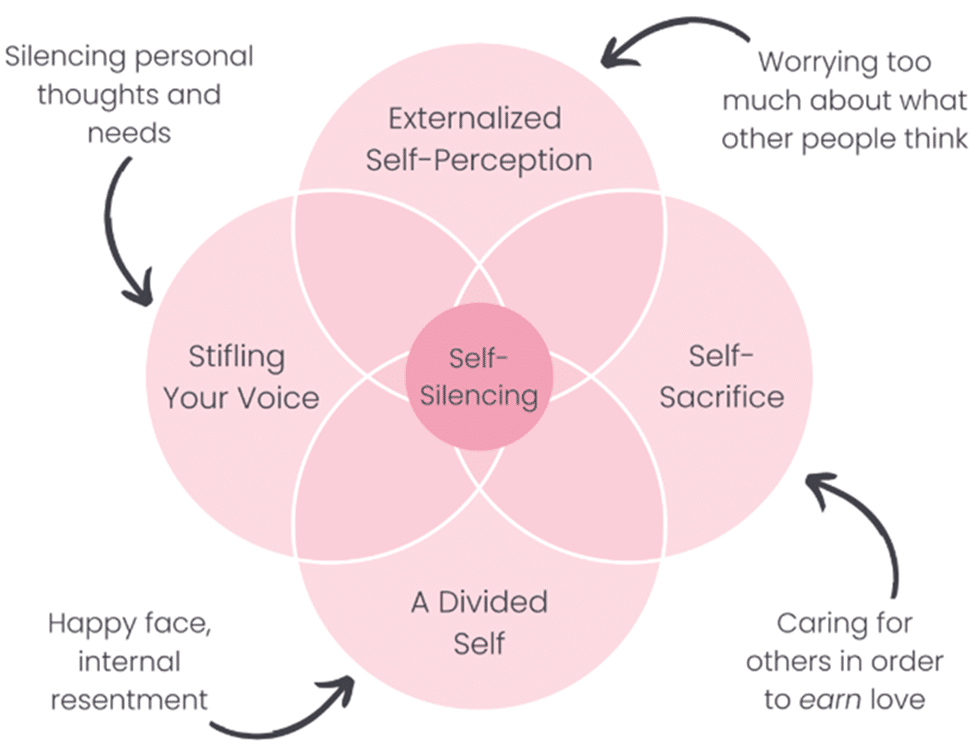
Let’s delve into a pressing health concern spotlighted by TIME Magazine: the profound effect of self-silencing on women’s health, both physical and mental. The connection between self-silencing and a myriad of health issues is undeniable and alarming.
Research shows that self-silencing correlates with an increased risk of premature death, mental health challenges such as depression and anxiety, and physical conditions including IBS, migraines, chronic pain, autoimmune diseases, and eating disorders. Notably, women who do not voice their dissatisfaction in marital conflicts are at a fourfold increased risk of mortality.
Drawing from my decade-long journey of overcoming people-pleasing behaviors and supporting numerous clients through similar transformations, I’ve gained valuable insights into the destructive nature of self-silencing and the strategies effective in combating it.
Understanding Self-Silencing in Health Coaching
Self-silencing involves suppressing one’s thoughts, feelings and desires to maintain relationship harmony, often at great personal cost. This behavior is rooted in cultural expectations that dictate a woman’s role as agreeable, pleasing, self-sacrificing and emotionally restrained.
Understanding more about this will help you coach clients to optimal health and wellness. Learn more about self-silencing and how you can apply it to your practice (and your life).
Manifestations of Self-Silencing in Health Coaching Contexts:
- Agreeing despite disagreements: Clients may follow health advice they disagree with, fearing to voice their concerns.
- Accepting tasks to avoid conflict: Taking on health goals or regimens that don’t align with personal needs or capacities.
- Suppressing emotions to maintain peace: Hiding true feelings about health progress or setbacks.
- Prioritizing others’ needs over one’s own: Neglecting personal health to care for others.
- Withholding valuable input: Not sharing insights on their health needs or feedback on coaching strategies.
- Modifying beliefs or decisions: Changing health goals to align with external expectations rather than personal conviction.
- Remaining in detrimental relationships: Staying in environments that negatively impact mental and physical health.
- Overburdening oneself with responsibilities: Taking on too much in pursuit of health, leading to stress and burnout.
Understanding that self-silencing is a learned behavior opens the door to unlearning and healing.
Addressing the Four Types of Self-Silencing
Self-silencing behavior is not monolithic; it manifests in various forms that health coaches should be aware of to effectively support their clients. Here’s a closer look at the four types of self-silencing behaviors and how they might present in a health coaching context:
Externalized Self-Perception: Clients may choose health goals based on societal or familial expectations rather than their own desires. For example, a client might aim to lose weight because they believe it’s expected of them, not because it aligns with their personal health goals or values.
Stifling Your Voice: This behavior can be seen when clients withhold their opinions or concerns about their health plan, perhaps due to fear of disagreement or wanting to be seen as a “good” client. They might not speak up about a diet or exercise regimen that feels wrong for them, leading to compliance without true engagement.
Overly Self-Sacrificing: Clients who consistently put others’ needs before their own may neglect their health and wellness. An example is a parent who prioritizes their family’s needs so much that they have no time left for their own self-care or health routines.
A Divided Self: This might manifest as clients presenting a façade of following their health plan perfectly while struggling privately. They may fear judgment and thus hide their true self or their challenges, leading to unresolved issues and no real progress.
Strategies for Health Coaches to Counter Self-Silencing:
- For Externalized Self-Perception: Encourage clients to explore and define their own health values and goals. Facilitate exercises that help distinguish between externally imposed aspirations and their genuine desires.
- For Stifling Your Voice: Create a safe, non-judgmental space for clients to express their thoughts and feelings openly. Practice active listening and validate their experiences to encourage more open communication.
- For Overly Self-Sacrificing: Work with clients to identify and prioritize their needs. Teach them the importance of self-care and setting healthy boundaries to ensure their well-being isn’t sidelined.
- For A Divided Self: Encourage authenticity and vulnerability in sessions. Help clients understand the value of sharing their true selves and struggles to address underlying issues and foster genuine progress.
As health coaches, recognizing and addressing these types of self-silencing behaviors in our clients is crucial. By tailoring our approach to each client’s specific challenges, we empower them to break free from self-silencing patterns, leading to healthier and more fulfilling lives. This nuanced understanding allows us to provide more effective, personalized support, enhancing our clients’ journey towards wellness and authenticity.
Strategies for Health Coaches to Counter Self-Silencing:
Navigating the challenge of self-silencing is pivotal in health coaching, where fostering open expression and holistic well-being is key. The following strategies help health coaches empower clients to find their voice, facilitating a journey toward self-discovery and enhanced health outcomes. Let’s explore these transformative approaches.
Self-Reflection: Encourage clients to recognize when and why they silence themselves, particularly in health-related contexts.
Identify Needs and Emotions: Use journaling and self-reflection exercises to help clients become more attuned to their inner desires and health needs.
Challenge Negative Beliefs: Work with clients to confront and change beliefs that lead to self-silencing, such as the fear of conflict or rejection.
Practice Self-Compassion: Foster an environment of kindness and support, emphasizing the client’s worth and the importance of their health needs.
Assertive Communication: Teach clients to express their health needs and feelings clearly and respectfully.
Set Boundaries: Guide clients in establishing healthy boundaries around their time, energy, and emotional well-being.
Seek Professional Support: Recommend professional counseling when necessary to explore the deeper roots of self-silencing.
Cultivate Supportive Relationships: Encourage building a support network that respects and values open communication.
Encourage Self-Care: Integrate self-care practices that bolster self-esteem and resilience, essential for overcoming self-silencing.
Start Small: Advise beginning with low-risk situations to practice these strategies, gradually moving to more challenging ones.
Incorporating strategies that tackle these behaviors head-on will not only improve our clients’ health outcomes but also deepen the coach-client relationship, making it a powerful tool for change.
Let’s commit to guiding our clients through their journey of self-discovery and empowerment, helping them to find and use their voices in every aspect of their lives, including their health.
Ariel Belgrave, an award-winning health and fitness expert and business advisor, founded Gym Hooky after over a decade in corporate HR for Fortune 100 companies like JPMorgan and Facebook. Her L.E.A.N Method has empowered thousands of women globally to embrace healthy, sustainable habits. She’s renowned for creating wellness programs that blend HR insights with health expertise, significantly enhancing employee engagement and inclusivity. Ariel’s impact is highlighted across major media, including Good Morning America, NBC, and Women’s Health Magazine. She also contributes to Women’s Health Magazine’s board and is an Under Armour sponsored athlete.
Find out more about engaging Ariel for speaking opportunities.


Subscribe to our Newsletter
Powering the Business of Health, Fitness, and Wellness Coaching