


I was standing in the back of a packed conference room when a coach stepped onto the stage and immediately changed their voice. The energy they had backstage disappeared. Their stories became polished. Their language became careful. The room stayed with them, but something felt off. You could sense the gap between who they were and who they thought they needed to be.
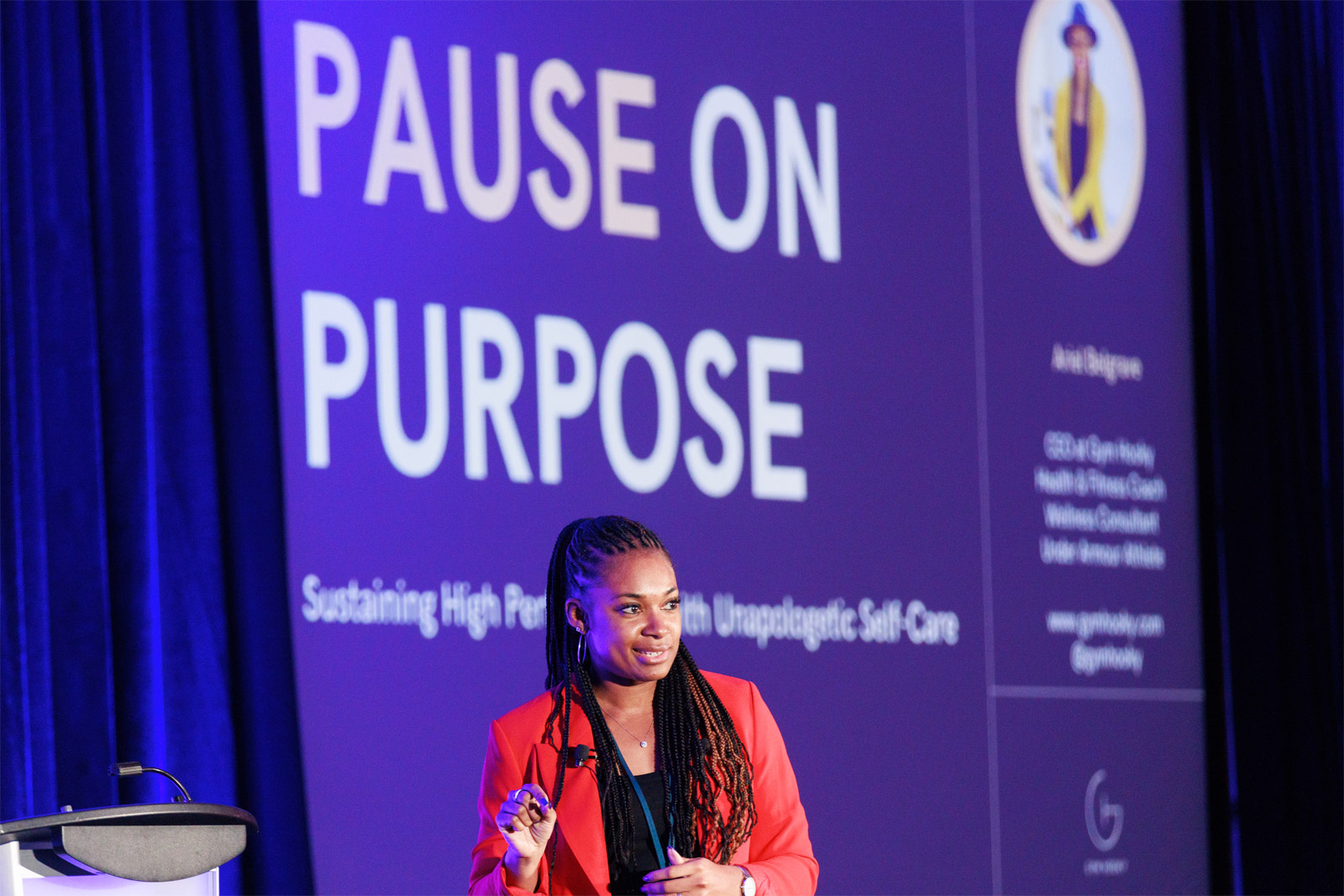
That scene came back to mind while speaking with Ariel Belgrave, coach, wellness entrepreneur, and Career Lab opening keynote speaker. Two and a half weeks before coaches arrive in Las Vegas, Belgrave is asking a question many professionals skip past in the rush for visibility: who are you becoming before the opportunity arrives?
For coaches focused on growth, credibility, and larger opportunities, Belgrave believes identity is the variable most often overlooked. If you have spent more time building your content than building your clarity, you are working on the wrong problem first.
The Identity Gap Most Coaches Never Audit
Belgrave has seen the pattern repeatedly. “I have watched coaches with real skill start to shift who they are because they believe that is what will attract more opportunity,” she says. “They change how they teach. They change how they speak. They change their music, their energy, their message, their style, or even the way they lead because they think a certain room requires them to be a more acceptable version of themselves.”
The problem is not adaptation. It is self-abandonment.
“There is a difference between reading the room and losing yourself in the room,” Belgrave says. “A skilled coach knows how to adjust their delivery based on who they are serving. That is part of being excellent at your craft. But a coach with a shaky identity will adjust so much that the essence of who they are disappears. The thing that made them powerful in the first place gets watered down. That is where trust gets lost. And I think people can feel that.”
That distinction sits at the center of her keynote. Coaches often assume credentials, content production, or visibility create trust. Belgrave argues those things may create opportunities, but they do not necessarily create confidence in your leadership.
The Pressure-Test Framework for Fitness Coach Identity
When Belgrave talks about identity, she is not talking about branding, logos, or niche statements.
“Your niche may tell people who you serve. Your brand may tell people how to recognize you. But your identity tells people whether they can trust you.”
— Ariel Belgrave, Career Lab Opening Keynote Speaker
She believes the fastest way to evaluate identity is under pressure. Ask yourself: Do you over-explain when a client questions you? Do you change your voice depending on who is in the room? Do you need applause to decide whether a session was successful? Those are not marketing questions. They are leadership questions.
“Identity is not who you are when everything is going well,” Belgrave says. “Identity shows up when you are challenged.” That becomes especially important during the first 90 days with a new client, a new facility, or a new leadership role.
“I would look at how often they need external validation to feel secure,” she says. “Shaky identity can look like constantly changing the plan because they are afraid the client is not impressed.”
The tradeoff is real. Coaches who constantly seek approval often feel responsive in the moment. Long term, they become inconsistent. Clients stop knowing what version of the coach will show up each week, and trust erodes quietly.
The Trust Moment That Determines Whether Clients Follow You
According to Belgrave, clients decide whether they trust a coach during moments most professionals rush through. It usually happens when a client brings something difficult into the conversation, like a setback or a statement that they do not think they can do this.
Many coaches immediately move into problem-solving mode. Belgrave watches for something else. “They are watching your nervous system,” she says. “They are watching whether you get defensive, whether you rush to fix, whether you make it about you, or whether you can stay present and lead.”
Becoming a trusted coach does not happen during the perfect session or when everything is working. It happens when you lead during times of uncertainty.
A grounded coach might respond with a cue: “Let’s stay here for a second. Tell me what feels hardest right now.” The words matter less than the stability behind them. Coaches with strong identity hear resistance as information. Coaches with shaky identity hear resistance as rejection. That difference changes the entire coaching relationship.
The Four-Year Consistency Rule for Building Credibility
One of the strongest examples Belgrave offers comes from her own career. Before becoming widely recognized in wellness, she spent years teaching dance fitness classes in Brooklyn community centers. Those spaces allowed her to teach naturally. The music felt familiar. The energy felt authentic. The leadership felt effortless. Then came boutique fitness environments where she started questioning herself. Was her music right? Was her energy too much? Should she sound different?
The skill never disappeared. The certainty did. The breakthrough came when she stopped separating her identity from her coaching.
“The thing I was trying to tone down was actually the thing people connected with most.”
— Ariel Belgrave
Years later, that consistency led to a defining opportunity. While working at Meta, Belgrave was invited to lead a movement session during Women’s Leadership Day, one of the company’s largest internal events. Approximately 8,000 women participated. The invitation did not arrive because she suddenly became visible. It arrived because people had already observed years of consistent behavior.
For roughly four years, Belgrave shared the same message across her classes, content, and coaching work: women should be able to build their health while building ambitious careers. “They were not just hiring your skill,” she says. “They are trusting your identity.” Most opportunities look sudden from the outside. Very few are.
What Coaches Get Wrong About Becoming Trusted
Belgrave sees three common mistakes. The first is confusing credentials with trust. Credentials matter and so does expertise. Neither automatically teaches you how to lead people through uncertainty.
The second is confusing visibility with credibility. “You can be visible and still be unclear,” she says.
The third is confusing charisma with consistency. Many coaches can create excitement for sixty minutes. The harder question is whether clients still trust your leadership after the workout ends.
For coaches building careers, what matters most is presence before visibility, identity before opportunity, and confidence before performance.
Those themes will anchor Belgrave’s opening keynote at Career Lab. When coaches leave the room, she hopes they stop asking how to get more opportunities and start asking a different question: “Who do I need to become to hold the opportunities I am asking for?”
Belgrave’s keynote runs July 17, 9:45–10:15 AM at Career Lab Las Vegas.
Related: Career Lab by Coach360: Las Vegas Summit, July 17–18, 2026
Career Lab Las Vegas — July 17–18 — Reserve Your Seat
Ariel Belgrave opens Career Lab with her keynote on July 17, 9:45–10:15 AM. Career Lab is a two-day live summit for fitness professionals building careers, authority, and sustainable business.
Use promo code C360COMMUNITYVEGAS2026 for comp tickets while available.
Frequently Asked Questions
What does Ariel Belgrave mean by identity in coaching?
Belgrave is not referring to branding, social media aesthetics, or niche selection. She defines identity as the internal clarity around how you lead, what you stand for, and what clients can consistently trust you to hold. According to Belgrave, identity becomes visible when you are challenged, questioned, or under pressure.
How can a fitness coach build credibility before getting bigger opportunities?
Belgrave points to consistency over time. In her own career, she spent about four years sharing the same message through classes, content, and community work before larger opportunities emerged. The goal is helping people understand what they can reliably count on you for.
What are the biggest mistakes coaches make when trying to become trusted?
The most common mistakes are confusing credentials with trust, visibility with credibility, and charisma with leadership. A coach may have certifications, followers, or strong presentation skills, but clients ultimately decide whether they trust the coach during difficult moments and challenging conversations.
Who should attend Ariel Belgrave’s Career Lab keynote?
The keynote is designed for coaches who know they are capable of more but feel that skill alone is no longer enough. That includes newer coaches finding their voice, experienced coaches seeking larger opportunities, and professionals who want to become trusted in bigger rooms rather than simply booked for more sessions. Belgrave’s opening keynote runs July 17, 9:45–10:15 AM at Career Lab Las Vegas.
About Erin Nitschke
Dr. Erin Nitschke, NSCA-CPT, NFPT-CPT, ACE Health Coach, ACE-CPT, Fitness Nutrition Specialist, Therapeutic Exercise Specialist, Pn1, FNMS, and DSWI Master Health Coach, is a seasoned college professor in health and human performance. She is a nationally recognized presenter, industry writer for IDEA, NFPT, Fitness Education Online, and Youate.com, and an active member of the ACE Scientific Advisory Panel. With extensive experience in health and exercise science, Erin specializes in holistic, evidence-based approaches to wellness. Her passion lies in empowering individuals to lead healthier, more vibrant lives through personalized coaching. Erin’s philosophy centers on education, accountability, and sustainable behavior change—guiding clients to achieve long-term success in nutrition, fitness, stress management, and overall well-being. To connect with Dr. Nitschke, email her at erinmd03@gmail.com or on Instagram: @nitschkeerin