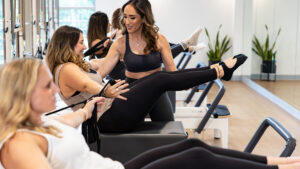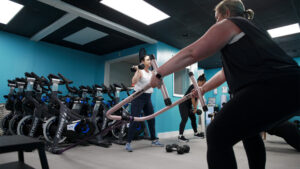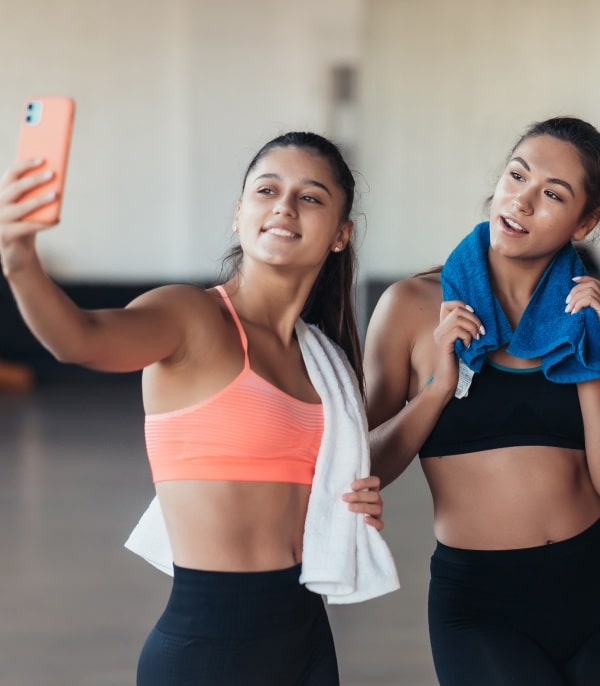



Retail stores are opening their doors to fitness professionals, creating spaces where commerce and community mingle through in-store workout experiences. Major apparel brands like lululemon, Calvin Klein, Fabletics, and Free People Movement regularly host these sessions, turning their retail spaces into temporary fitness studios. These events offer coaches and trainers a unique avenue to showcase their skills while connecting with potential clients who they may have not met under other circumstances.
The benefits extend to both parties. Brands get to activate their retail spaces with energy and excitement, drawing foot traffic and building customer loyalty. Coaches gain access to new audiences, compensation opportunities, and merchandise discounts for themselves and their clients. For many fitness professionals building their businesses, these partnerships provide visibility without the overhead costs of traditional marketing.
Understanding Brand Partnership Workouts
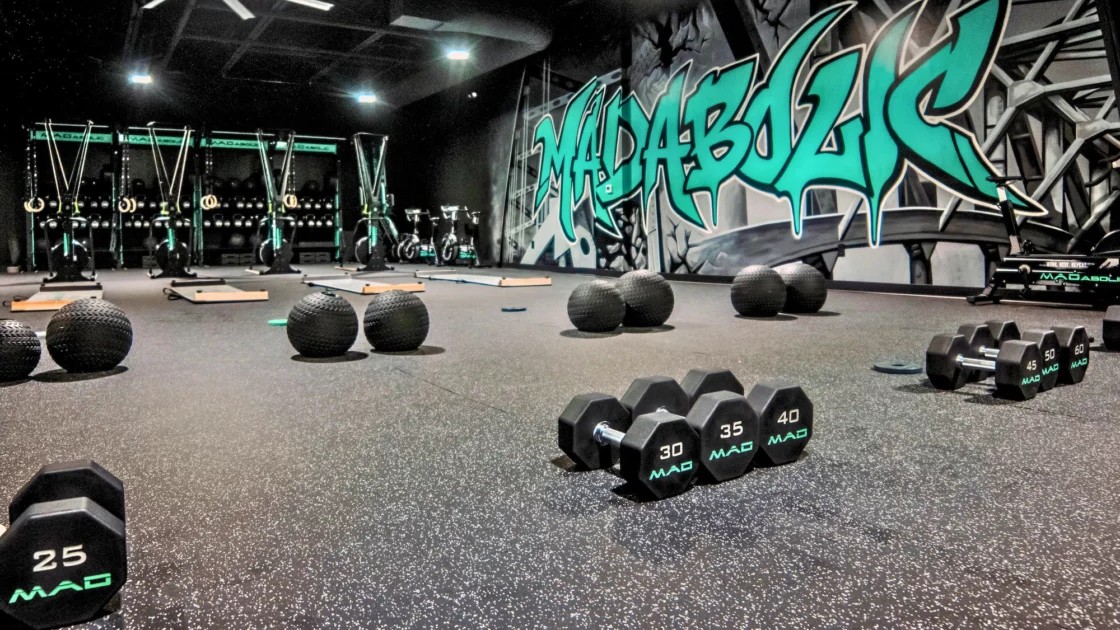
These collaborations typically take place during designated times when retail stores convert floor space into workout areas. The format varies by brand—some prefer high-energy HIIT sessions, while others lean toward yoga or barre classes. lululemon has built a reputation for regular community classes in their stores, often featuring local instructors who bring their own teaching style and following. Some locations even have built in studio space. Calvin Klein and Fabletics are two other brands who have offered these deals, recognizing that active demonstrations of their products create more authentic connections with customers than static displays.
Brands provide the space, handle marketing in-stores, and often supply equipment if needed. Instructors bring their expertise, clients, class plan, and personality. Participants might be existing store customers, people walking by who get curious, or fitness enthusiasts who follow the instructor’s social media. This mix creates an interesting dynamic where seasoned clients work out alongside complete newcomers.
Compensation structures differ across brands. Some offer an outfit for your time, some may offer pay, but ultimately, the true compensation is the potential new clients, marketing opportunities, and the ability to build community and bring novel experiences to existing clientele.
Building Your Business Through Retail Partnerships
Landing these opportunities starts with research. Follow your target brands on social media, visit their stores, and talk to staff about how they select instructors. Many brands post applications on their websites or accept inquiries through their community coordinators. Having a clear brand identity and professional social media presence helps your pitch stand out.
Those random shoppers who joined your session may become long-term clients. They’ve experienced your teaching style firsthand, without the commitment pressure of signing up for a studio membership or training package. Have business cards ready, mention where you regularly teach, and make sure your social media handles are easy to find. Some instructors report that a single in-store class has led to multiple private training clients or corporate wellness contracts.
Your approach to these classes matters. Treat store workouts with the same professionalism you’d bring to any paid session. Show up early, interact with participants before and after class, and create an experience that makes people want to find you again.
Building relationships with store managers and community coordinators is one of the best ways to capitalize on this opportunity. They’re often the gatekeepers for these opportunities and can become valuable allies in your professional network. Regular communication, reliability, and flexibility make you the instructor they think of first when planning events.
Final Thoughts
The economics of fitness coaching have shifted dramatically over the past few years, pushing professionals to think creatively about revenue streams. Relying solely on traditional studio classes or one-on-one training sessions leaves opportunity on the table.
What makes these partnerships particularly valuable is their low barrier to entry. You don’t need an established studio presence, equipment, or thousands of social media followers to get started. You need solid teaching skills, professional presentation, and the initiative to reach out. For coaches who are interested, retail partnerships offer a practical way to expand reach while creating novel, fun experiences.
About Elisa Edelstein
Elisa is a curious and versatile writer, carving her niche in the health and wellness industry since 2015. Her lens is rooted in real world experience as a personal trainer and competitive bodybuilder and extended out of the gym and on to the page as a writer where she is able to combine her passions for empowering others, promoting wellness, and the power of the written word.