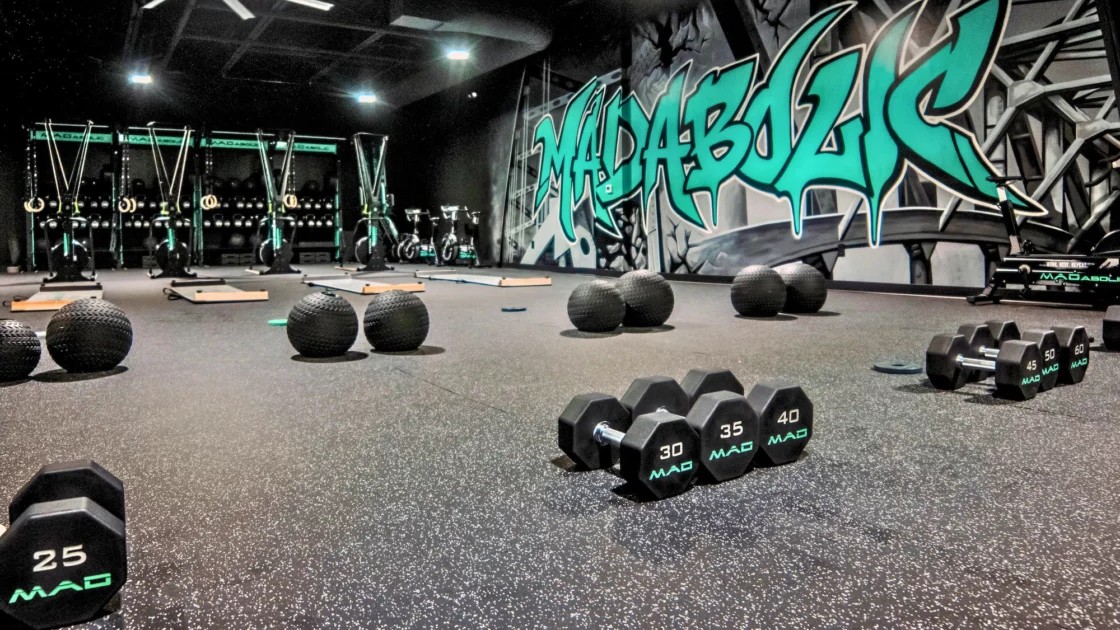



Walk a busy floor at peak hours and you see it instantly, rings blinking between sets, bands buzzing during carries, watches lighting up mid-rep. After CES 2026, that contrast feels sharper. The show promised smarter wearables, deeper context, cleaner signals powered by better sensors and more adaptive AI, and then you step back into a live gym and watch the gap play out in real time, where members trust numbers by default and coaches trust what they can see, hear, and feel through the session itself.
True enough, most wearables behave well in isolation, steps logged, sleep scored, heart rate smoothed into neat charts.
CES 2026 pointed toward a fix: context-aware AI that understands why today looks different from yesterday.
What CES 2026 Revealed About the Next Wearable Shift
CES 2026 pulled the conversation back to reality, down the stack, away from features and into sensors, signal quality, and on-device processing.
Why Hardware Finally Took Center Stage
Software only works when inputs survive load, sweat, fatigue, and movement that refuses to look clean. Panel discussions kept landing on the same point.
Better electromyography, cleaner motion signals, fewer guesses about why you’re doing a certain workout. A loaded carry no longer looks like random stress. A hard strength day stops triggering generic recovery warnings mid-session.
From Alerts to Interpretation
The tone shifted, too. Fewer alerts, less buzzing, AI stopped interrupting and has now started actively waiting. Context became the product. Sleep, caffeine, travel, cycle changes, and stress began to shape interpretation without forcing users to log everything manually.
Why On-Device Processing Changes Trust
On-device processing closed the loop. Faster feedback, less lag, more trust. Coaches feel it immediately.
- Sessions flow
- Authority stays intact
- Data supports the entire program through context instead of competing with it
If there was anything CES made one thing clear, it’s this: The next wave of wearables would favor restraint, relevance, and systems built to survive real training.
Contextual AI Changes the Coaching Conversation
Context reshapes the coaching exchange once data understands why a signal moved, not just that it moved, and that shift alone removes most of the friction coaches face on busy floors. Sleep debt explains bar speed, stress patterns explain heart rate drift, load lines up with recovery windows instead of throwing generic warnings mid-set that causes clients to lose focus.
In this manner, coaches regain control. Data supports decisions instead of challenging them in real time, conversations shorten, adjustments feel grounded, and members stop reacting to red flags that never mattered.
On the floor, it shows fast. Heavy lower-body days stop triggering panic alerts. Deloads reflect real workload. Busy professionals train hard without feeling behind. Confidence holds.
When Context Restores Control on the Gym Floor
Your authority as coach never left the room, it got crowded out slowly, rep by rep, alert by alert, until the loudest voice during a session came from a wrist instead of the coach standing three feet away watching movement, breath, and intent in real time.
Better context removes friction quickly. Coaches lead the session again with intent, effort, and outcome in alignment, which cuts down explanations, keeps sessions moving, and removes the need to justify programming mid-set. Members rely less on alerts and you spend less time explaining decisions.
Trust, Privacy, and the Shift Away From Screens
More data introduces a practical issue: trust. Members will share signals up to a point, and gyms risk credibility when they behave like data warehouses. CES discussions leaned toward on-device processing and selective sharing, with clear limits on what leaves the device. That approach keeps boundaries visible.
Screens also disrupt training flow. Mid-set checks pull attention away and cost coaches eye contact. Passive data models help here, fewer prompts, less checking, more training, and attention staying on the session.
Final Thoughts
Smart operators move early, and they do it quietly. Intake sets tone and wearables inform sessions instead of running them, even when the numbers look convincing. Coaches frame metrics with context, teams agree on language upfront, and that shared understanding keeps sessions clean when pressure rises and decisions stack fast.
CES 2026 made it clear that particular gap is shrinking. As data learns how real floors operate, technology stops competing with coaching and finally starts reinforcing it.
About Robert James Rivera
Robert is a full-time freelance writer and editor specializing in the health niche and its ever-expanding sub-niches. As a food and nutrition scientist, he knows where to find the resources necessary to verify health claims.