What Crunch Signature Actually Looks for in a Trainer
Most coaches know Crunch. Orange logo. More than 550 locations across six countries. What many do not realize is that Crunch operates through both corporate owned and franchise operated locations, forming a broad and diverse network under one brand.
Crunch Signature clubs are part of the corporate portfolio. These full-service, corporate-owned gyms are concentrated in New York City, Los Angeles, San Francisco, and Miami. More than two dozen operate today, with pricing, amenities, and talent expectations aligned to the corporate operating model.
This article focuses specifically on what Signature looks for when hiring and developing trainers within that environment.
Pamela J. Brown oversees talent strategy for Signature and partners across the Crunch network. She serves as Executive Vice President, Head of People and Culture at Crunch Fitness. The recruiting philosophy described below reflects the corporate owned Signature clubs. [See Pamela J. Brown’s LinkedIn profile for her full background.]
The Hiring Filter at Signature Clubs
Certification opens the door. An NCCA accredited credential is required, with a 60-day completion window from hire date if a candidate does not yet hold one. That standard is clear.
Credentials alone are not the differentiator.
“Certifications and programming knowledge remain essential, but the differentiators today are emotional intelligence, business acumen, and service mindset. We look for leaders who elevate every interaction, create a sense of belonging, and treat every dollar a member spends as a vote of trust.”
— Pamela J. Brown, Executive Vice President, Head of People and Culture, Crunch Fitness
At Signature, a trainer is responsible for more than sets and reps. They are accountable for the full member experience.
At Crunch Signature locations, members are making a meaningful investment in their health and expect elevated standards, tailored programming, and visible progress. Across the broader Crunch network, pricing, amenities, and service models vary based on ownership structure and market strategy. Trainers are expected to understand the standards of the specific club environment in which they operate and deliver an experience aligned with that model.
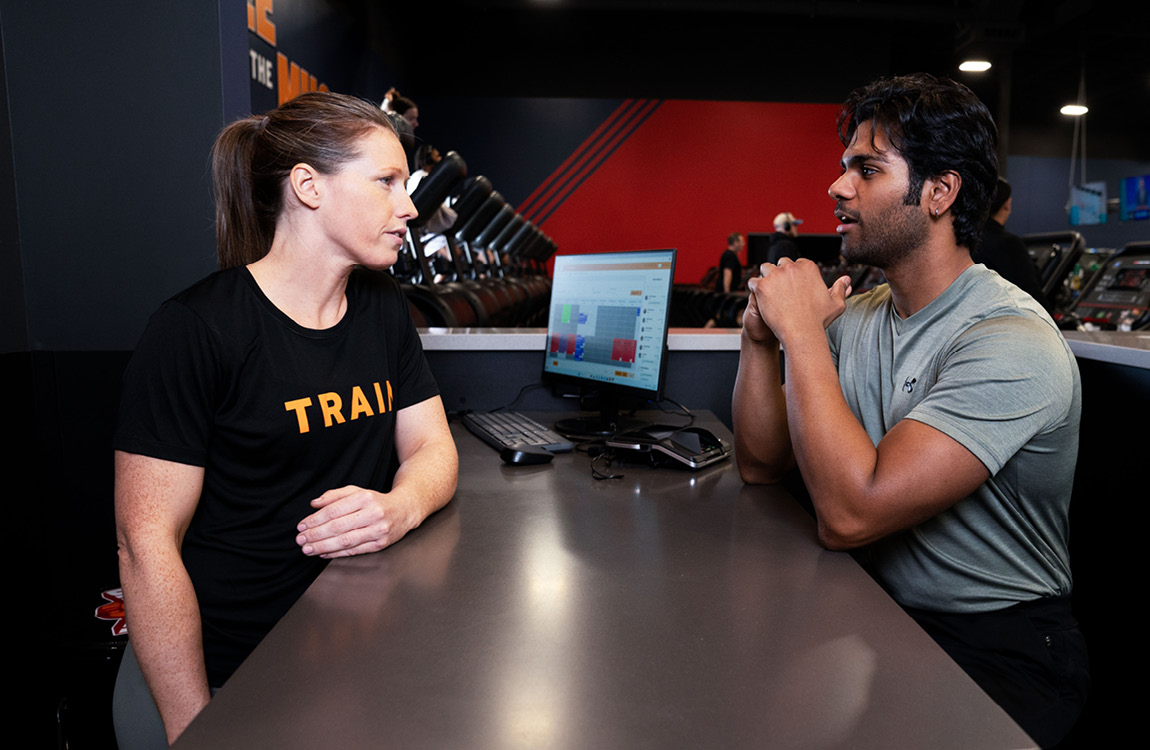
High performing trainers at Signature tend to demonstrate three qualities early in their tenure. They build trust quickly. They think like business partners, not hourly employees. They take ownership of results.
Several top performers began in entry level roles such as front desk. Within the corporate model, there are structured development pathways that support progression from entry roles to the training floor and into leadership. Advancement is tied to performance, consistency, and member retention impact.
What to look for when evaluating personal trainer jobs at gyms and studios.
The Role Has Shifted. The Job Title Has Not.
The title remains personal trainer. The scope has expanded.
At Signature clubs, trainers design individualized programs, connect members to group fitness offerings, recommend recovery services, and adjust plans as goals evolve. Strength, mobility, longevity, and performance are treated as part of a unified member strategy.
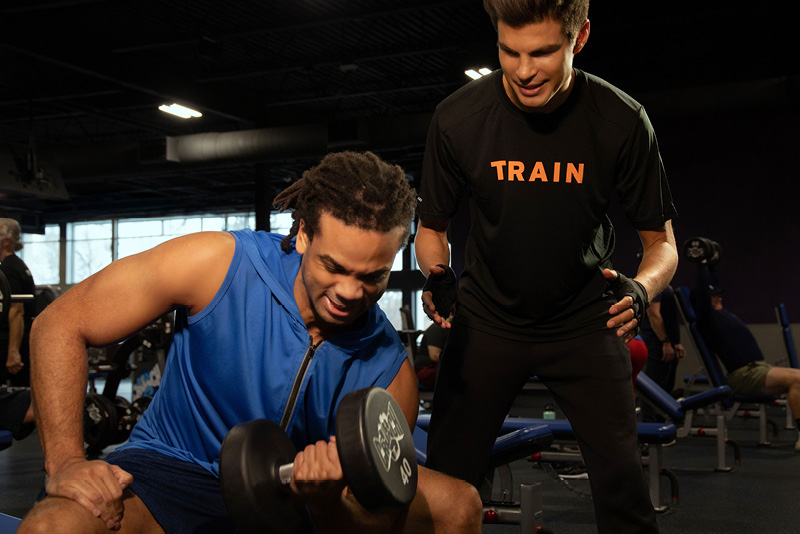
Brown describes each interaction as a moment of truth. Every touchpoint either builds or erodes trust. Trainers are evaluated not only on sessions delivered, but on member engagement, rebooking behavior, and long-term retention impact.
Personalization extends beyond programming. It includes remembering names, understanding motivations, communicating progress clearly, and adapting to the needs of each member in real time.
Signature expects trainers to operate as professionals within a service business. Those who embrace that expectation often build sustainable books of business and long-term careers.
Compensation at the Corporate Clubs
Corporate owned Signature clubs operate under centralized compensation, benefits, and talent standards. Franchise clubs are independently owned and operated. Compensation, benefits, and certain operating decisions are determined by the franchise partner within brand guidelines.
The details below apply specifically to corporate owned Signature clubs.
Corporate Signature compensation follows a base plus incentive structure, with earnings potential tied directly to performance. Current postings indicate earnings potential up to $67 per training hour, plus commissions. Compensation varies based on role, tenure, performance, and club volume. The advertised rate reflects combined base and incentive potential at select corporate locations.
Benefits eligibility is tied to hours worked during the applicable measurement period. Eligibility and plan details are subject to change and may vary by role and measurement period.
| Benefit | Details (Crunch Signature / Corporate) |
|---|---|
| Base + Incentives | Up to $67/hr (plus bonuses, commissions) |
| Medical/Dental/Vision | Available at 25+ avg hrs/week during measurement period |
| 401(k) | Company match available |
| PTO | Paid vacation and holidays (qualifying trainers) |
| Education Support | Tuition reimbursement, continuing education support, including select complimentary CEUs, CPR/AED recertification |
| Membership | Complimentary Crunch membership |
Continuing education support, certification assistance, and internal development programming are part of the broader people strategy focused on retention and progression.
How continuing education investment affects trainer retention and career growth.
The Culture Question
Crunch was founded in Greenwich Village in 1989. The No Judgments philosophy remains central across the entire network.
Crunch’s philosophy is an inclusive, fun, and authentic service environment. Trainers work with members across ages, goals, and fitness levels. That diversity expands coaching capability and requires adaptability.
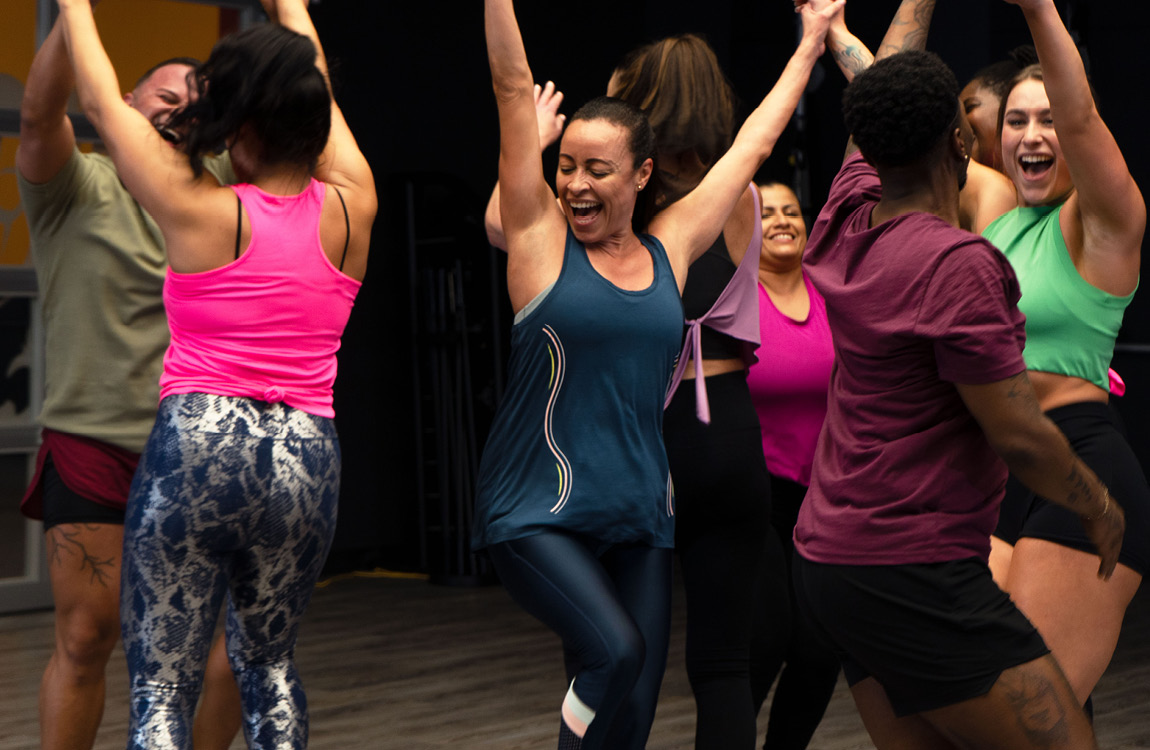
Brown frames retention around mentorship, performance clarity, and purpose.
“We are building careers, not just filling shifts. People who thrive here treat every interaction as a chance to make a difference. Delivering hospitality builds loyalty, and consistency scales success.”
— Pamela J. Brown, Executive Vice President, Head of People and Culture, Crunch Fitness
Both corporate owned and franchise operated locations carry the Crunch name and operate within the same brand framework and No Judgments philosophy. Signature clubs operate within a centralized corporate model that includes standardized processes and defined development pathways. Coaches evaluating career options should consider the ownership model and operating environment of each location to determine alignment with their professional goals.
For trainers motivated by measurable growth, structured feedback, and clear performance expectations, Signature offers a professional environment designed to support long-term career development.
Where to Apply
Coaches looking for Crunch Signature roles can find current openings through FitHire by Coach360, which lists Signature-specific positions and distinguishes them from franchise operated roles so candidates can identify the right fit.
Both corporate owned and franchise operated locations carry the Crunch name and operate within the same brand framework and No Judgments philosophy.
FAQ
What qualifications do you need for a personal trainer career at Crunch Signature?
An NCCA accredited personal trainer certification such as NASM, ACE, or equivalent is required. New hires have 60 days from date of hire to complete certification if needed. A degree in exercise science may be considered in lieu of certification, subject to role requirements and state regulations. Prior training experience is preferred but not required for all roles.
How much do personal trainers at Crunch corporate locations make?
Corporate owned Signature locations structure pay through a base plus incentive model. Current postings indicate earnings potential up to $67 per training hour, plus commissions. Compensation varies based on role, tenure, performance, and club volume. Franchise operated locations establish compensation structures based on ownership and the local market.
Does Crunch Signature offer career growth beyond the training floor?
Within the corporate model, there are structured development pathways supporting progression from entry level roles to the training floor and into leadership positions such as Fitness Managers, District Fitness Managers, and Master Personal Trainers. Continuing education support, including select complimentary CEUs, and certification assistance support long-term professional development at the corporate clubs.
This overview reflects the corporate Signature model at the time of publication and is intended to help coaches evaluate alignment with their professional goals.


Subscribe to our Newsletter
Powering the Business of Health, Fitness, and Wellness Coaching