


Margins are tighter, expectations are higher, and clubs are looking for models that can improve revenue without driving staff into the ground.
That’s why semi-private training has become the quiet workhorse of the industry. It offers members the individualization they want at a price point they can handle, while giving facilities stronger revenue per square foot.
After all, the missing link has always been how to deliver that level of personalization at scale. Smart strength systems are closing that gap.
Why Semi-Private Training Works
Semi-private training delivers the best of both worlds. Members receive individualized attention while sharing the cost of a session with others. Coaches can serve more people in the same block of time, raising earning potential. For clubs, the model means higher training revenue per hour compared to one-on-one, without sacrificing the community feel of small group formats.
The challenge has always been execution. Tracking loads, recording progress, and adjusting programs on the fly takes time. In a group of four, a coach can only manage so many clipboards before quality dips. That’s where technology changes the equation.
The Role of Smart Strength Systems
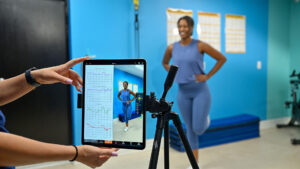
Smart resistance machines, digital load sensors, and connected platforms now handle the tracking that coaches used to juggle. Each member’s data is stored and displayed in real time. A coach can glance at a screen to see whether someone has progressed on their squat load, stalled on their bench press, or hit a new personal best.
This means one coach can manage a semi-private group of four to six without worrying about missing the details that keep members safe and engaged. The system cues the right load, tracks the output, and frees the coach to focus on form, motivation, and the human connection that members value.
Scaling Profitability Without Losing Quality
The economics are simple: when a coach can effectively train more members per hour, revenue per session increases.
With traditional setups, semi-private models required highly experienced coaches to balance multiple progressions at once. With smart systems, the technology handles the tracking, making it easier to onboard new coaches into semi-private roles.
This doesn’t mean replacing the coach. What it does mean is it will remove friction, so that coaching energy goes into relationships, instead of record-keeping. Members feel seen because their data is accurate and personalized. Clubs benefit because sessions run smoother, retention improves, and each training hour generates more income.
Creating a Stickier Member Experience
Smart strength is about efficiency and a means to give members something they have been asking for: clear evidence of progress. Strength gains are visible through metrics that can be pulled up on a screen or app. Instead of guessing whether they are stronger, members see the data.
That visibility builds accountability. It also gamifies the experience, encouraging members to show up consistently to “beat” their last session. For clubs, this consistency translates directly into retention. A member who can see steady gains is far less likely to drop their membership when life gets busy.
Integrating Semi-Private Into Club Operations
Launching a semi-private model with smart systems takes planning. Facilities need to:
- Define session structures, including how many clients per coach.
- Educate staff on how to use the technology seamlessly.
- Position the offer clearly so members understand the value of semi-private compared to one-on-one.
- Build pricing that balances accessibility for members and profitability for the club.
Start small. Pilot with a few machines and a single group structure. Track outcomes before expanding. This phased approach avoids the trap of over-investing before demand is proven.
Final Thoughts
Scaling semi-private training is no longer a staffing puzzle. With smart strength systems, coaches can deliver individualized programming to groups, clubs can increase revenue, and members can experience training that feels both personal and data-driven.
The industry has been looking for ways to balance personalization and scale. Semi-private training with smart systems is proving to be that solution.
About Robert James Rivera
Robert is a full-time freelance writer and editor specializing in the health niche and its ever-expanding sub-niches. As a food and nutrition scientist, he knows where to find the resources necessary to verify health claims.