

I watched a physique coach come off a strong show weekend with more attention than they knew what to do with. The photos hit. The comments rolled in. Other coaches started watching. A few prospects asked about coaching. For a moment, it felt like the business had changed.
Then the moment cooled.
The stage creates attention. It does not build a business on its own. Once the spotlight moves on, a coach still needs a clear offer, a reliable way to bring in clients, and enough trust to keep conversations going. Contest prep, client results, and transformation posts create visibility, but visibility alone does not last. The coaches who stay relevant build something that keeps working long after show season ends.
That is the conversation Career Lab Day 2 is built around.
Beyond Coaching Is About Leverage, Not Leaving
Career Lab Day 2 centers on the Performance, Physique and Coaching Summit, with a clear focus on stronger athletes, sustainable careers, and long-term impact across physique, performance, and modern coaching.
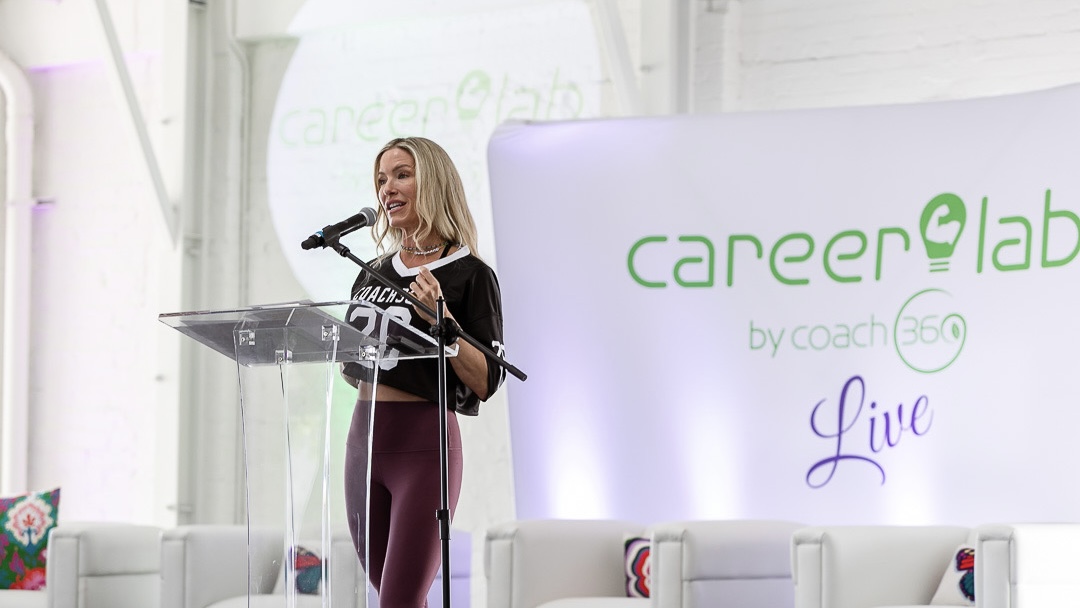
The Beyond Coaching panel runs July 18, from 10:10 to 10:55 AM, at MEET LV in Las Vegas. Wendy Fortino moderates, with David Sherman-Presser, Brittany Diamond, Emily Chanel, and Michael Henderson on the panel.
The 45-minute session sits on Day 2 and focuses on the business layer coaches need once strong coaching starts creating attention. The conversation shifts from getting results to building systems that turn credibility into long-term opportunity. The bigger question is simple: what does your credibility turn into when your business depends on more than selling time?
David Sherman-Presser: Alignment Before Revenue
David Sherman-Presser puts the revenue question in simple terms.
“Scaling revenue without losing credibility comes down to extreme alignment: knowing exactly who you serve and the precise pain point you are uniquely positioned to solve. Once you have that clarity, sustainable growth follows a simple three-tier framework: building an audience of qualified leads, selling a high-value product or service, and over-delivering on the product experience.”
— David Sherman-Presser
The inflection point comes when a coach stops treating content as proof they are busy and starts using it to explain what they are trusted to solve. That is when attention can become demand.
A coach loses trust when the offer feels random. The product does not match the audience. The partnership does not match the standard. The content gets attention but does not solve the right problem. Sherman-Presser’s framework starts before the sale.
- Know who you serve.
- Name the pain point.
- Build an audience of qualified leads.
- Sell a high-value product or service.
- Over-deliver on the experience.
That sounds simple because it is supposed to be simple. The hard part is the discipline. Many coaches want revenue before alignment. They want brand deals before a clear audience. They want scalable products before a strong point of view.
Brittany Diamond: Credibility Has to Feel Earned
Brittany Diamond brings a different kind of proof to this panel. For coaches in physique, strength, and performance spaces, credibility has to feel earned. The audience knows when the brand is built on real standards. They also know when the brand is built on noise.
“You are not defined by your athletic achievements. Your legacy is not based on what your physique looked like or what numbers you hit. It is defined by what you leave behind.”
— Brittany Diamond
That line fits the heart of the Beyond Coaching panel. The goal is to build something that survives after the stage stops being the center of the work, not to eliminate the stage altogether.
Coaching influence is about being trusted, not just visible. A strong coach brand does not hide the work. It shows the standard behind the result: the training floor, the hard calls, the client education, the prep pressure, the recovery decisions, and the moments where the coach protects the athlete from chasing shortcuts.
Content should show more than the final photo. It should show how the coach thinks. The brand lasts when people trust the standard behind the spotlight.
What Coaches Should Build Beyond the Roster
A physique coach needs business assets that turn trust into repeatable opportunity.
Start with content pillars. The coach should know the core ideas they want to be known for: prep education, strength standards, recovery, mindset, peak week, female athlete support, lifestyle after competition. The pillars depend on the niche, but the point stays the same. Content needs a point of view.
Next, build a list or community. Followers are rented attention. An email list, private community, or owned member space gives the coach a stronger way to reach people without depending on an algorithm.
Then build offers beyond the active roster. That might include workshops, clinics, digital education, paid guides, group coaching, mentorship, events, or consulting. Partnerships need rules too. A sponsor should match the coach’s values, audience, and standards. A fast check is simple: would the coach still recommend this product or brand without payment?
The Tradeoff: Influence Raises the Standard
Influence sounds exciting until the coach has to protect it. More visibility brings more pressure. Partnerships test trust. Products expose weak promises. Content creates reach, but it also creates expectations. The more visible the coach becomes, the cleaner the standard has to be.
- Do not take every brand deal.
- Do not sell products that do not match the coaching floor.
- Do not let audience growth dilute the niche.
- Do not confuse attention with demand.
A strong coach brand should make the coaching look more credible, not less. The business should grow from the same standard that created trust in the first place. This panel is a business conversation about what happens after visibility starts working, not a hype session about visibility.
Related: The 5 Stages of a Coaching Career and How to Move Up Faster
Career Lab Las Vegas — July 17–18 — Reserve Your Seat
Career Lab Day 2 brings this conversation to Las Vegas on July 18 during the Beyond Coaching panel with David Sherman-Presser, Brittany Diamond, Emily Chanel, and Michael Henderson.
Reserve Your Seat → coach360news.com/career-lab-by-coach360-vegas/
Frequently Asked Questions
What is the Beyond Coaching panel at Career Lab Day 2?
It is a Career Lab Day 2 panel on how elite coaches build brands, communities, partnerships, and long-term businesses beyond coaching sessions or the competition floor.
Why does brand building matter for physique coaches?
Brand building helps physique coaches turn credibility into scalable opportunity. A strong brand creates clearer demand, better partnerships, stronger audience trust, and income beyond a single prep roster.
What does David Sherman-Presser say about revenue and credibility?
David says revenue and credibility should not be at odds when a coach knows who they serve, solves a clear pain point, builds qualified leads, sells a high-value offer, and over-delivers.
How do coaches build influence without selling out?
They need alignment between audience, offer, standards, and partnerships. The brand should grow from the same credibility that made clients trust the coach in the first place.
Robert James Rivera is a fitness industry writer and content strategist covering technology, coaching systems, and career development for fitness professionals.
About Robert James Rivera
Robert is a full-time freelance writer and editor specializing in the health niche and its ever-expanding sub-niches. As a food and nutrition scientist, he knows where to find the resources necessary to verify health claims.