All Categories
All Categories

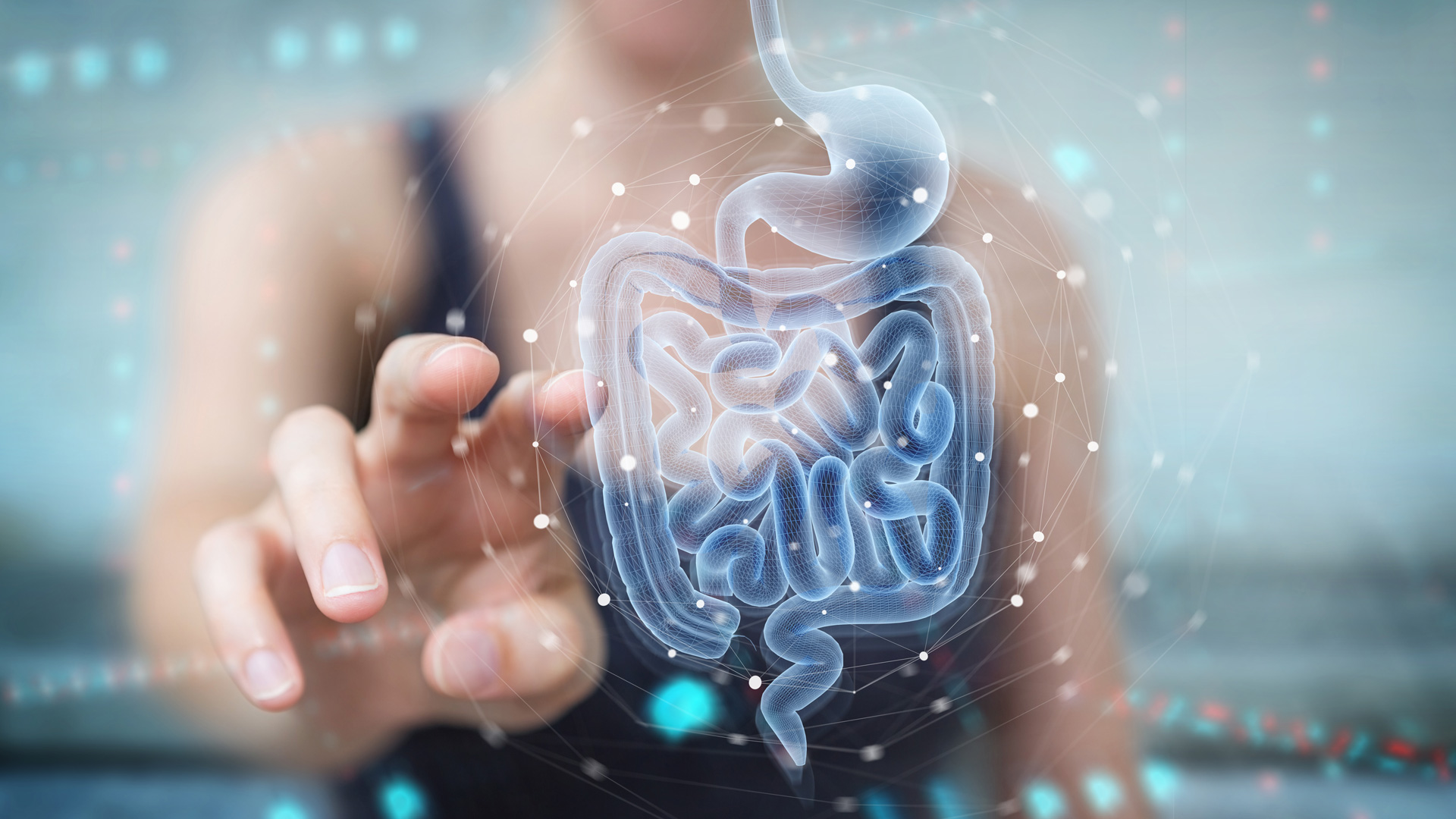

Your digestive tract contains a living ecosystem that directly influences how your body responds to training. The bacteria residing in your gut communicate with your muscles, immune system, and brain during physical activity. A 2017 study published in Oxidative Medicine and Cellular Longevity examined how exercise modifies this microbial community, revealing that different types, intensities, and timing of workouts create distinct bacterial environments with measurable effects on performance and recovery.
The relationship operates in both directions. Exercise reshapes which bacterial species thrive in your digestive system, while the health of your microbiome determines how efficiently you adapt to training stress. Understanding this connection opens new possibilities for optimizing athletic performance through strategic training protocols that account for microbial health.
Microbiome-targeted training is one pathway among many that will shape how we approach fitness and health optimization in the future. As research continues to uncover the mechanisms linking gut bacteria to performance outcomes, this knowledge will coexist with advances in recovery protocols, nutritional timing, and personalized programming, thereby creating a more comprehensive understanding of human adaptation.
Research indicates that exercise alters the gut microbiota in ways that confer health benefits for the host. Their findings show that physical activity increases beneficial microbial species and enriches microflora diversity, which contributes to improved metabolic and immune function.
The mechanisms behind these changes involve multiple pathways. Low-intensity exercise reduces gastrointestinal transit time, thereby decreasing contact between pathogens and the intestinal lining. This protective effect appears to lower risks of colon cancer, diverticulosis, and inflammatory bowel disease. High-intensity endurance exercise induces changes, temporarily reducing blood flow to the digestive organs by up to 80 percent of baseline levels due to increased sympathetic nervous system activity.
The study documented that voluntary running exercise in rats increased concentrations of n-butyrate, a short-chain fatty acid that protects against colon cancer and inflammatory bowel disease by affecting cellular NF-B activation. Exercise also prevented obesity-related changes in obese mice fed high-fat diets, with total distance run inversely correlating with Bacteroidetes-Firmicutes ratios. These shifts in bacterial populations mirrored those observed in lean animals, suggesting that exercise counteracts diet-induced microbial imbalances.
The timing of initiation of an exercise program affects microbial outcomes. One study found that exercise initiated during the juvenile period altered more bacterial genera and led to greater increases in lean body mass than exercise initiated in adulthood. Juvenile exercise increased Bacteroidetes while decreasing Firmicutes, changes associated with improved metabolic health. This suggests early-life activity establishes bacterial populations that support long-term metabolic advantages.
Different exercise types produce distinct microbial signatures. A study found that forced exercise and voluntary exercise altered the gut microbiome differently during inflammatory challenges, resulting in distinct microbial taxonomic profiles in both cecal and fecal samples. These variations may influence immune function, nutrient absorption, and overall physiology.
The microbial communities in your gut represent a variable that responds predictably to training interventions. Matsumoto’s early observations that voluntary running increased cecum n-butyrate concentrations launched a line of inquiry that has documented specific bacterial shifts across different exercise modalities, intensities, and life stages. Petriz’s work on obese and hypertensive rats showed exercise improved microbial composition and diversity, suggesting therapeutic applications for metabolic disorders.
What emerges from this body of work is a framework for thinking about training as an ecological intervention with microbial consequences that affect multiple physiological systems. The bacteria that flourish or decline in response to your workouts produce metabolites that affect everything from inflammation to energy availability to barrier function in your gut lining. Programming decisions that account for these microbial effects may explain previously puzzling individual differences in training response and open paths toward more personalized optimization strategies.
About Elisa Edelstein
Elisa is a curious and versatile writer, carving her niche in the health and wellness industry since 2015. Her lens is rooted in real world experience as a personal trainer and competitive bodybuilder and extended out of the gym and on to the page as a writer where she is able to combine her passions for empowering others, promoting wellness, and the power of the written word.

By Elisa Edelstein
By Robert James Rivera

By Elisa Edelstein

By Elisa Edelstein

By Robert James Rivera

By Robert James Rivera



Powering the Business of Health, Fitness, and Wellness Coaching