

All Categories
All Categories


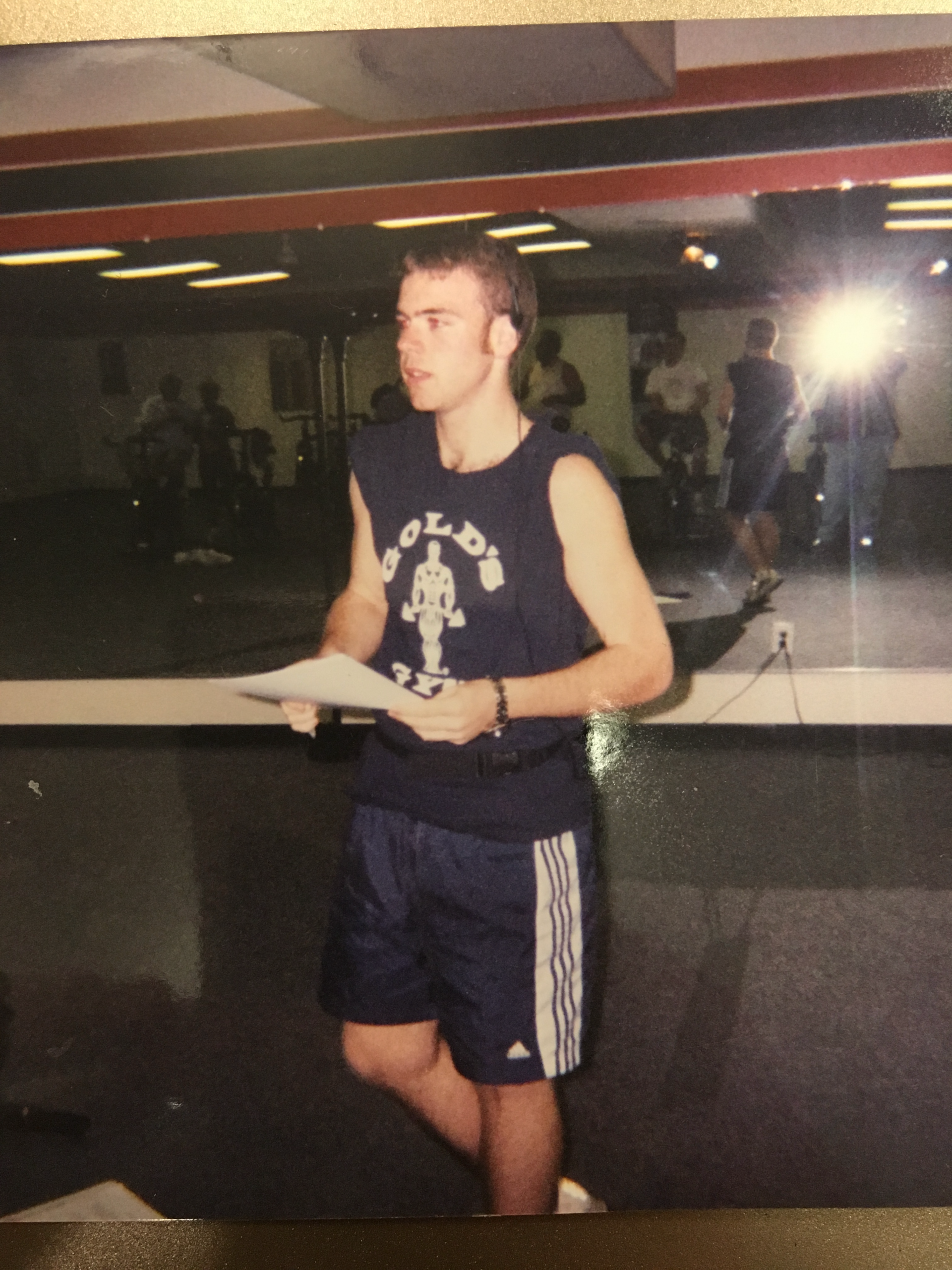
Collegiate fitness program design has one real test: does an event change what people do the week after they leave? Steven A. Trotter, MS, has spent more than twenty years building toward that answer. He started in a Gold’s Gym in high school, leading his first group fitness class from handwritten notes. That session gave him one finding he has never revised. People remember how an experience made them feel, not what was on the agenda.
Trotter is the founder of Globetrotter Wellness Solutions. He created Collegiate Fitness, a platform connecting student fitness leaders and campus recreation staff through events, training, and mentorship. A co-author of Fitness Facility Management, he teaches college courses in health, fitness, and wellness. Since 2017, his collegiate fitness network has grown to more than 750 directors and thousands of student staff nationwide.
Early in his career, Trotter ran campus recreation programs. He began tracking a pattern. Some events produced real follow-through. Others left people drained. Content was not the variable. Instead, design was.
“Very early in my career, I realized that self-determination theory explains a lot about how people learn and grow. People want to know that someone sees them as an individual, that they have the tools and support they need, and that they have ownership in the process. When those needs are met, people are far more likely to engage and take action,” Trotter says.
So, in 2009, he launched Globetrotter Wellness Solutions. After that, he traveled campus to campus, leading workshops for student leaders and recreation staff. Those sessions were simple in scope but planned in design. Each one gave attendees new angles on their work and a clear next step to carry back. Over time, the workshops grew into full summits. Each gathering became a test of the design ideas he was building.
He learned that logistics shape outcomes. The order of a day and the size of a group both matter. Even the room layout can lift or kill a lesson.
Self-determination theory (SDT) names three core needs: skill, choice, and connection. Skill means people leave with tools they can use. Choice means they had real input in the process. Connection means they felt part of something larger than a campus job.
Before any session, Trotter asks one question: will everyone leave feeling seen, capable, and linked to a larger field? When even one need is unmet, follow-through drops. A keynote builds skill but kills choice. A free networking block offers connection but no structure. Without all three needs met in every session, the collegiate fitness design model is incomplete.
Sequence is the most missed lever. When trust comes first, harder work becomes possible. But place a hard session before trust is built and you will get resistance. Trotter calls this front-loading safety. That is the first thing most planners get wrong.
For Trotter, space is a design choice. Round room layouts increase dialogue. Yet rows suppress it. Nor is the flow between sessions an afterthought. Without planned room choices, the setting works against the lesson.
Scale shapes what learning is possible. For groups above 25, structured breakouts are needed. When groups stay below 12, open sessions work well. Once a group exceeds 50, the lead shifts from guide to curator. Each size calls for its own session plan. That said, confusing them produces events that feel flat or chaotic.
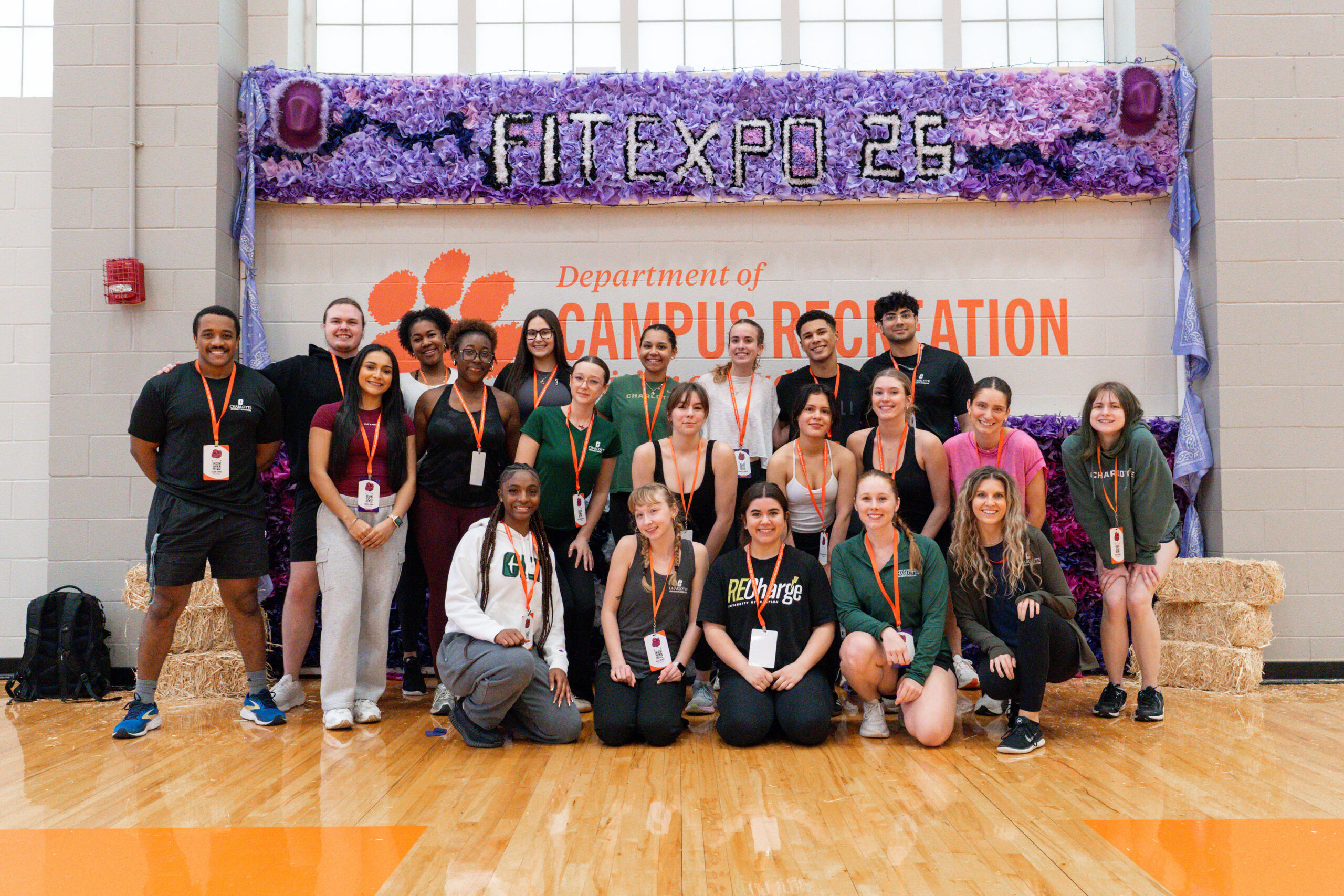
SE FitExpo draws more than 600 attendees from 50 colleges. It is the East Coast’s premier collegiate fitness and wellness event. This year, it ran three days at Clemson University. At that scale, FitExpo builds the kind of community no single campus can match. Students leave knowing they belong to a larger field. After the event, the community stays.
By contrast, the Collegiate Fitness Directors Summit runs smaller by design. The 2026 event is June 16–18 in Charleston, SC. Here, the goal of each session is one clear takeaway. For example, that means a leadership plan, an ops checklist, or a peer problem-solving format. The goal is not inspiration. It is use.
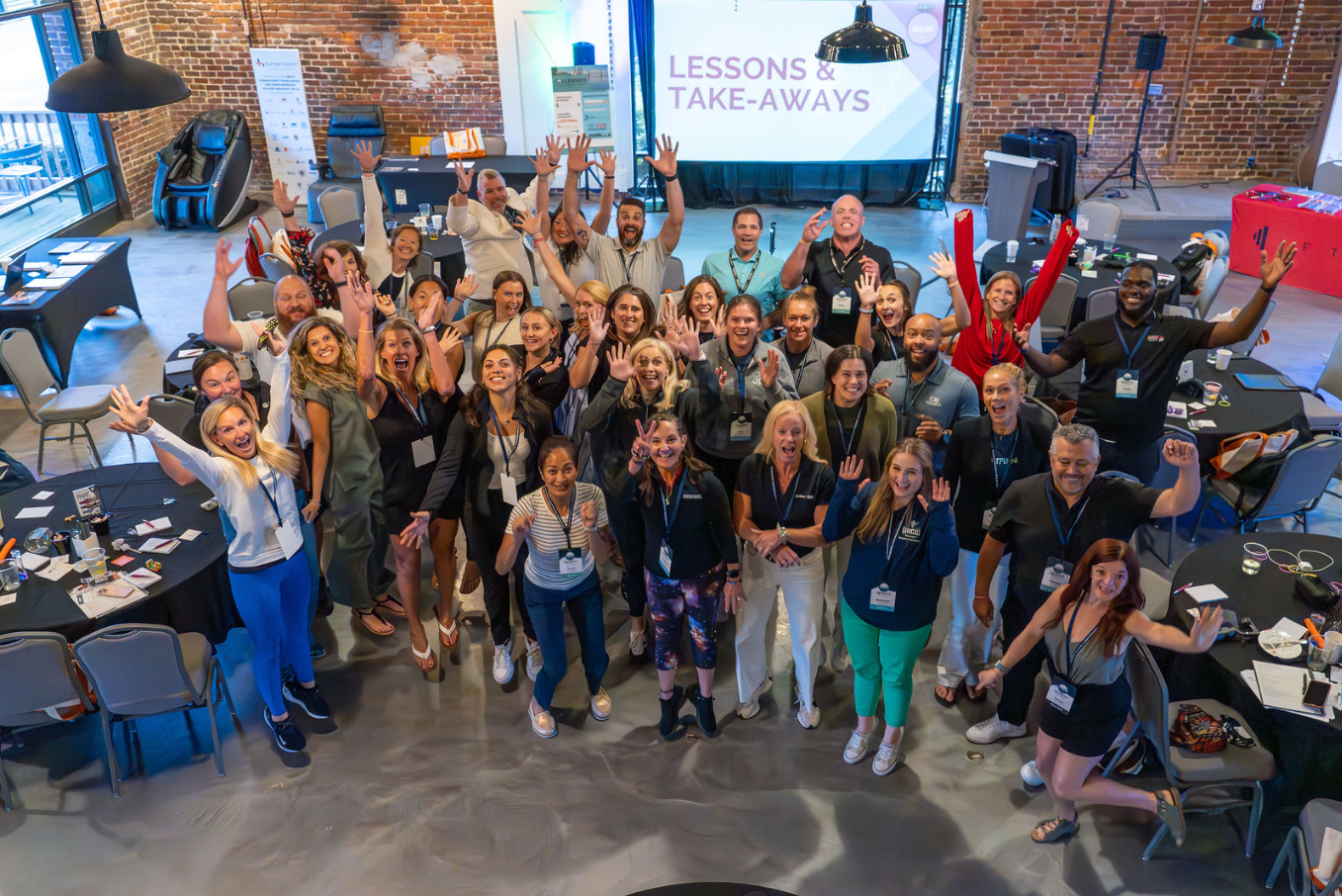
“The purpose of our events is simple. We’re curating experiences where people can connect, learn, and see what’s possible for themselves and their teams. For students, it’s often the first time they realize they’re part of a larger profession. For collegiate fitness directors, it’s a chance to step away from campus and engage with peers who are shaping the future of the industry. When those groups come together and step into something bigger than themselves, the energy in the room is electric,” Trotter says.
While each event stands alone, the design links both ends of the same pipeline. FitExpo brings in student coaches at the start of their career. The Summit develops the directors who will eventually hire them. That arc is planned.
Designing for all three SDT needs takes 30 to 40 percent more planning time. When the test is skipped, planners run high-energy events that change nothing — and wonder why nothing stuck. In practice, the test takes one hour. Most planners skip it. The test works. That is the gap.
In short, what Trotter has built is not a set program. It is a test framework. The three variables are checkpoints, not formulas: sequence, space, and scale. Because every campus has its own culture, what works in one setting may fail in another. Still, each team has its own dynamic. The model requires presence, observation, and real-time adjustment. Still, no package replaces those skills.
“What excites me most right now is where the collegiate fitness community is heading. Through Collegiate Fitness, we’re building an ecosystem that supports leaders at every stage, from student instructors discovering their potential to fitness directors shaping the future of campus recreation. When we invest in developing people and bringing them into meaningful experiences, we don’t just strengthen programs. We shape the future of collegiate fitness,” Trotter says.
For leaders ready to apply this: run the SDT test before anything else. Before booking a venue or a speaker, map each session to the three needs. That one step splits a growth program from an activity calendar. Twenty years of collegiate fitness events. One question that never changed. Did what happened in the room change what happens next week? Design to answer it.
FOR COACHES AND DIRECTORS READY TO MOVE
FitHire by Coach360 connects fitness coaches with clubs, studios, and campus programs. Build your profile and let your work speak. Search open roles at FitHire by Coach360.
Collegiate fitness program design builds events, workshops, and summits for lasting behavior change. The goal is to move past high-energy events. When done well, people leave with clear skills and real bonds with their field.
Self-determination theory names three core needs that drive learning: skill, choice, and connection. When all three are present, people are more likely to apply what they learned after the event ends. Trotter uses SDT as a session-by-session test for every event he designs.
SE FitExpo is the East Coast’s premier collegiate fitness and wellness event. It draws more than 600 attendees from 50 colleges each year. The 2026 event ran three days at Clemson University. It is the main entry point for student fitness leaders entering campus recreation as a career.
The 2026 Collegiate Fitness Directors Summit runs June 16–18 in Charleston, SC. The event focuses on leadership and peer problem-solving for campus fitness directors. Each session is built to produce one clear takeaway that directors can use when they return to campus.

By Dr. Erin Nitschke

By Dr. Erin Nitschke

By Jessica H. Maurer
By Robert James Rivera
By Robert James Rivera

By Jessica H. Maurer



Powering the Business of Health, Fitness, and Wellness Coaching
