
Zone-Based Interval Training: A Path To Fitness Efficiency
By: Tomas Agrimbau, Co-Founder, and Sofia Palumbo, Product Owner, at Amalgama.
As fitness enthusiasts search for effective ways to maximize their workouts and get fitter, one method stands out in the crowded world of fitness: Zone-Based Interval Training (ZBIT). This innovative approach combines the principles of heart rate training with interval workouts, making it a powerful tool for improving cardiovascular fitness, boosting metabolism, and enhancing overall athletic performance.
What is Zone-Based Interval Training?
ZBIT involves alternating periods of high-intensity effort with lower-intensity recovery, all while keeping your heart rate within specific zones. These zones are typically defined as percentages of your maximum heart rate, allowing you to target different physiological responses during your workout. For example, Zone 1 & 2 workouts are excellent ways of improving our ability to take in and utilize oxygen while efficiently transporting it to working muscles. They are also great active recovery zones for intermediate and advanced athletes.
- Zone 1: Very light (50-60% of max heart rate)
- Zone 2: Light (60-70% of max heart rate)
- Zone 3: Moderate (70-80% of max heart rate)
- Zone 4: Hard (80-90% of max heart rate)
- Zone 5: Maximum effort (90-100% of max heart rate)
Why Zone-Based Interval Training Works
ZBIT science is effective because it takes advantage of the body’s energy systems. During high-intensity intervals, your body primarily relies on anaerobic energy pathways, which improve your speed and power. During recovery intervals, you shift back to aerobic metabolism, allowing your body to recover while still burning calories.
What are some of the benefits of ZBIT?
- Increased Caloric Burn: By incorporating high-intensity efforts, you boost your metabolic rate, allowing you to burn more calories during and after the workout.
- Improved Cardiovascular Fitness: Training in higher heart rate zones enhances your heart’s efficiency and increases your aerobic capacity.
- Time Efficiency: This type of training allows for a complete workout in a shorter amount of time, making it ideal for those with busy schedules.
- Adaptability: This training method can be applied to various forms of exercise, including running, cycling, swimming, and group fitness classes.
How to calculate your MHR and start implementing ZBIT in your workouts
To incorporate ZBIT into your routine, firstly you need to determine Your Maximum Heart Rate (MHR). A common formula is 220 minus your age, which will then help you determine the rate for each Heart Rate Training Zone. Nowadays, this is not needed, as many wearables can calculate this measurement more accurately, a good example is Morpheus M7.
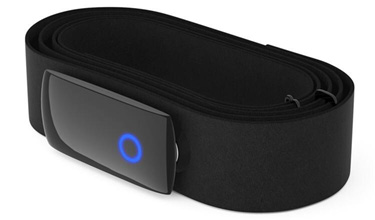 Morpheus’ device allows users to track their Heart Rate Variability, and in addition, it uses it to calculate a personal recovery score and daily heart rate zones. The recovery score gauges the balance between the amount of energy a person has been spending putting their body under stress vs. the amount spent on recovery over the last few days. This number is used as an indicator of the energy available to train on that specific day and helps determine the type of workout and interval zone that is best to stick to for long-term gains in health, fitness, and performance.
Once you have determined the range of your target zones, you can design your workout around the amount of time you aim to spend at specific target zones depending on your training goals. An example of a ZBIT session might include:
- Warm-Up: 5-10 minutes in Zone 1
- Intervals: Alternate between high-intensity (Zone 4-5) for 30 seconds to 2 minutes and recovery (Zone 2) for 1-3 minutes.
- Cool Down: 5-10 minutes in Zone 1
Utilizing Wearable Devices such as heart rate monitors and fitness trackers can help you keep track of your performance and accurately gauge your intensity levels during workouts. Devices like the Garmin Forerunner and Polar H10 chest strap provide real-time feedback on your heart rate, ensuring you stay in your desired training zones.
The Rise of Zone Two Training
 When talking about ZBIT, Zone Two training has recently started to gain more attention, becoming a bit of an obsession for many fitness enthusiasts aiming to meet their aerobic goals.
The reason behind this favoritism is that keeping your heart rate on Zone Two while working out is particularly effective for building aerobic capacity and improving endurance, allowing the body to utilize fat as a primary fuel source. Unlike high-intensity workouts that may be intimidating for beginners, Zone Two offers a comfortable pace where individuals can maintain a conversation while exercising. This approach not only supports long-term fitness goals but also minimizes the risk of injury, making it an appealing option for those looking to maintain a consistent workout routine.
Popular Workouts Utilizing Interval Training
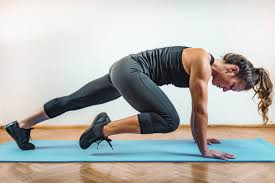 If you are a fitness enthusiast, there is no doubt you have trained or at least heard of some of the most well-known interval training routines. Before delving into some examples it is important to clarify that intensity interval training does not always consider heart rate zones. Interval training uses individualized heart rate zones and works with a range of different intensities, allowing for more personalisation and progression tracking.
- HIIT (High-Intensity Interval Training): Many HIIT workouts are built on the principles of zone training, with intense bursts of activity followed by rest.
- Fartlek Training: Fartlek training was first developed in the 1930s, in Sweden, and translates roughly into English as ‘speed play’. This method combines continuous training with intervals, allowing for varied pacing during runs and introducing unpredictability. This can be particularly beneficial for enhancing mental agility and improving focus.
- Tabata Training: A specific form of HIIT that follows a 20-seconds on, pushing it to the limit, and 10-seconds off structure, often targeting the anaerobic system. This cycle is repeated eight times, completing a 4-minute set.
To conclude, by understanding your heart rate zones and incorporating high-intensity intervals into your routine, you can unlock numerous benefits, from enhanced endurance to increased caloric burn. Whether you’re a seasoned athlete or just starting your fitness journey, ZBIT offers a structured yet flexible approach that can elevate your training to new heights.
Tomas Agrimbau, co-founder of Amalgama. Entrepreneur, passionate about innovation and technology. Like many founders, he’s taken on various roles at Amalgama, primarily as CTO and Head of People. Father of two, runner, and former sailing competitor.
Sofia Palumbo, Product Owner at Amalgama. Over six years of professional experience in strategic Project Management and Innovation roles in Australia. Part-time writer, runner, and an eager tennis and paddle competitor.
Technological Innovations Transforming The Olympic Games
 It’s apparent that technology is creating major waves in every industry and changing the world as we have known it. What was once only available to those at the forefront of advancement is now touching every single aspect of our lives, and the Olympic Games is no exception.
As the Olympic Games come to an end, Amalgama wanted to highlight a quiet revolution that is taking place beyond the roar of the crowds and the flash of gold medals. In the background, technological innovations are transforming the Games as we know them—making them more sustainable, enhancing athlete performance, and creating deeper connections between fans and the action.
Here’s a glimpse into the future of the Olympics and how technology is setting the stage for a new era of sports.
Greener Olympics
The Challenge: Picture this—thousands of athletes, millions of fans, and countless resources pouring into a single city. The environmental impact of hosting the Olympics has been a hot topic lately, with waste and emissions casting a shadow over the event’s legacy.
Paris 2024’s Vision: Paris is aiming to make the next Games the greenest yet. Whether it’s a stadium powered by renewable energy, traveling in electric shuttles, or grabbing a snack sourced from sustainable farms, these are real changes that Paris is implementing to cut its carbon footprint by 50%. There is still a long road ahead, but this is definitely a step in the right direction.
Future Prospects: This isn’t limited to the Olympics; it’s a shift towards a more sustainable future for all large-scale events. We agree that the future lies in distributed cloud technology— a world where entire control rooms filled with servers are replaced by cloud-based solutions that reduce physical footprints and energy use.
Enhanced Performance Tracking
The Challenge: Monitoring athletes’ performance and health is no longer reduced to gut feeling and years of experience. Now, coaches can rely on technology to boost their trainee’s performance.
- Wearable Tech in Action: Behind every record-breaking sprint or flawless dive lies a story of countless hours of training, much of it now powered by data. Picture athletes wearing smart gear that tracks every heartbeat, every stride, and every muscle movement. Coaches now have a ton of data, helping them fine-tune training and reduce the risk of injuries.
 Data Analytics and Precision Training: Think of a coach analyzing hours of footage, looking for that one moment to correct. Now imagine that same coach using advanced analytics to instantly pinpoint exactly what needs improvement. Athletes are training smarter, using data into actionable insights.
- VR Training: Picture a gymnast, not on the balance beam but in a virtual world where they can rehearse routines repeatedly without the fear of falling. It’s training the mind and body in tandem, preparing athletes for real-world pressure with virtual-world safety.
 Data Analytics and Precision Training: Think of a coach analyzing hours of footage, looking for that one moment to correct. Now imagine that same coach using advanced analytics to instantly pinpoint exactly what needs improvement. Athletes are training smarter, using data into actionable insights.
Fair Play and Security
The Challenge: Inaccurate and biased decisions, as well as a lack of transparency and security in ticketing and anti-doping mechanisms have always tainted the Olympics credibility. However, technology is slowly improving this by ensuring accountability and transparency.
Advanced Fair Play Tech: VAR systems, goal-line technology, and instant replay are increasingly bringing fairness to the Games. These tools don’t just catch mistakes—they uphold the integrity of the competition, ensuring that every outcome is as true as the effort put into it.
Blockchain’s Role in Transparency: Beyond the field, issues of ticket fraud and doping scandals have long plagued the Olympics. Blockchain technology is turning these problems into stories of the past. By securing transactions and data with unbreakable codes, blockchain is safeguarding everything from ticket authenticity to the fairness of anti-doping measures.
Fan Engagement
 Augmented Reality (AR): Imagine watching a basketball game and suddenly being able to see live stats hovering above your favorite player. Or, scanning your ticket and getting an AR tour of the Olympic Village. These are some examples of how AR is revolutionizing fan engagement, turning spectators into active participants.
Cloud Computing and Global Reach: In the past, watching the Olympics often meant waiting for a replay or missing a crucial event. But now, thanks to cloud computing, the Games are always within reach. High-quality streams, real-time updates, and on-demand highlights are just a click away, no matter where you are in the world.
Final Thoughts
As time unfolds, we will begin to see more interesting and innovative ways that technology can shape the landscape of the fitness world and beyond. The Olympic Games is the perfect example of the intersection of fitness and tech from a different lens. While we are used to seeing “everyday tech” like the Apple Watch, WHOOP trackers, and Tonal equipment, these advancements change the world of professional sports and how we enjoy interacting with them.
These technological innovations are more than upgrades—they’re reshaping the Olympic Games, making them greener, smarter, and more connected than ever before. This technology changes how we interact with sports in the future all around the globe. At Amalgama, we’re inspired by these changes and passionate about applying similar innovations to the digital products we create, especially in the wellness industry. Let’s keep pushing the limits of what’s possible.
About Tomas Agrimbau
Co-founder of Amalgama. Entrepreneur, passionate about innovation and technology. Like many founders, he’s taken on various roles at Amalgama, primarily as CTO and Head of People. Father of two, runner, and former sailing competitor.
Why And How To Boost Your Fitness With Wearables
While BMI was once the long standing indicator of health, there has been a recent push for more accurate and reflective data. This has led to an impressive growth in the trend of wearable fitness gadgets meant to track various health and fitness indicators like heart rate, sleep, and steps.
Wearable fitness gadgets are revolutionizing personal training by providing precise data and insights. These devices enhance training programs by allowing for tailored workouts based on real-time data, tracking progress to keep motivation high, and monitoring activity levels to ensure accountability. The combination of wearable technology and personal training maximizes the effectiveness of fitness routines.
What are Wearables?
Wearable devices are electronic devices that are designed to be worn by – likely as an accessory – that’s purpose is to track and monitor various aspects of an individual’s health, fitness, and overall wellness factors.
These devices collect and track accurate data and help the user stay informed on their health. They also allow the user to gain insightful knowledge of their biorhythm patterns, allow them to make adjustments to their lifestyle, and can keep them motivated to hit their goals.
Metrics You Can Get from Wearables
- Heart rate
- Stress levels
- Calories burned
- Steps taken
- Sleep quality and length
- GPS tracking
- Body composition
- ECG readings
- Blood pressure
Top Current Wearables
 With so many options on the market, finding the right wearable can be a game-changer for your fitness journey. Below, we highlight some of the top devices and how they can help you achieve your health and fitness goals.
1. Apple Watch Series 7
- Key Feature: Known for its versatility and accuracy, the Apple Watch Series 7 offers comprehensive fitness tracking, heart rate monitoring, and ECG capabilities.
- Review: Praised for its integration with Apple’s ecosystem and detailed health metrics, it’s ideal for both general users and fitness enthusiasts.
- Recommended Usage: Running, cycling, swimming, strength training.
2. Fitbit Charge 6
- Key Feature: This tracker provides advanced health metrics, including stress management, sleep tracking, and ECG functionality.
- Review: The Fitbit Charge 6 is lauded for its affordability and wide range of health features, making it a strong contender for those focused on overall wellness.
- Recommended Usage: Walking, running, yoga, general fitness.
3. Garmin Forerunner 245
- Key Feature: Tailored for runners, the Garmin Forerunner 245 offers GPS tracking, advanced running metrics, and music storage.
- Review: Users appreciate its detailed performance analytics and reliable GPS, though it is best suited for dedicated runners.
- Recommended Usage: Running, cycling, swimming.
 4. Whoop Strap 4.0
 4. Whoop Strap 4.0
- Key Feature: The Whoop Strap 4.0 focuses on recovery and strain, providing insights into sleep quality, recovery, and daily strain.
- Review: Favored by athletes for its depth of recovery data and personalized recommendations, it excels in optimizing performance and recovery.
- Recommended Usage: Strength training, HIIT, endurance sports.
5. Oura Ring
- Key Feature: Known for its advanced sleep tracking and readiness score, Oura Ring provides insights into sleep quality, recovery, and overall wellness.
- Review: High praise for its accuracy in tracking sleep patterns and its minimalist design, which makes it a discreet and effective health-tracking device.
- Recommended Usage: Sleep tracking, recovery monitoring, and general wellness.
6. MyZone
- Key Features: MyZone is focused on heart rate-based training, offering real-time feedback and personalized effort zones to optimize each individual workout.
- Review: Known for its accuracy and motivational features, making it a favorite among fitness enthusiasts who want to track cardiovascular health and fitness.
- Recommended Usage: Cardio-based workouts, group fitness classes, and personalized training.
7. Samsung Galaxy Watch 4
- Key Feature: The Galaxy Watch 4 offers a robust set of health-tracking features, including body composition analysis, ECG, and blood pressure monitoring.
- Review: It is well-regarded for its comprehensive health features and smooth integration with Android devices, offering a solid alternative to the Apple Watch for Android users.
- Recommended Usage: Running, cycling, swimming, general fitness.
Conclusion
Wearable fitness gadgets are not just accessories—they’re essential tools that can revolutionize how you train. These devices detail accurate feedback on various health factors like sleep, heart rate, recovery, and movement.
By providing real-time data and personalized insights, these devices empower you to optimize every aspect of your workout, keeping you motivated and accountable. Whether you’re a casual gym-goer or a dedicated athlete, the right wearable can make all the difference in reaching your fitness potential.
About Tomas Agrimbau
Thomas is co-founder of Amalgama. Entrepreneur, passionate about innovation and technology. Like many founders, he’s taken on various roles at Amalgama, primarily as CTO and Head of People. Father of two, runner, and former sailing competitor.


Subscribe to our Newsletter
Powering the Business of Health, Fitness, and Wellness Coaching