Coaching Against Social Media Advice: When the Algorithm Becomes the Competitor
I was halfway through a training block when a client stopped before her first working set. Moments like this have made coaching against social media advice part of the job.
“Should I even be doing this?”
She had spent part of the previous night watching videos about women’s training. One creator questioned hard training. Another recommended a different approach. When a client brings that kind of advice into your session, you need to find out what changed her confidence in the plan.
By the time she arrived, weeks of programming were suddenly back on trial. My first instinct was to explain why the videos did not fit our plan. Then I realized correcting three posts solved nothing. Her feed would have more waiting before our next session.
When you start coaching against social media advice, the goal is not to win every argument. Become the person the client asks before changing course.
Why Social Media Advice Feels Like Another Coach in the Room
Most clients no longer arrive with a clean slate. Before meeting you, they may already have exercises, nutrition rules, recovery ideas, supplements, and training philosophies.
Some may be useful. Others may be inaccurate. Many lack the context needed to apply them well.
- A 2025 systematic review examined 33 studies on physical activity misinformation and found low-quality information across several platforms.
- TikTok says its For You system ranks videos using user activity.
- Meta also says AI systems personalize recommended content.
Your client is not hearing one outside opinion. Their interactions can shape what appears next.
A client once asked why we were not taking every set to failure. A creator she followed said anything less was wasted effort. Weeks earlier, another video had convinced her she was training too hard.
Neither source knew her program, schedule, training history, or why I had changed her workload. The feed gives the client information. You give the client context.
Modern coach technology and data can surface information, but the coach still has to decide what it means for the person.
Repeated Advice Can Reopen Coaching Decisions
You may explain a programming decision once during a session. The client can encounter opposite advice repeatedly before you meet again. One client brought me a new question almost every week. A squat variation. A slow eccentric. A different cardio approach.
At first, I answered each question separately. Then I saw the pattern. Outside information kept reopening decisions we had already made together. The algorithm can put another answer in front of your client whenever they open the app.
Your advantage is knowing the person behind the question.
Use the Three-Step Client Trust Filter
Trying to out-argue every creator is not a repeatable coaching strategy. Use a simple process: hear the claim, add context and tradeoffs, then return to the client. This approach asks more from you than saying, “That’s wrong.” You have to listen first and sometimes admit another approach could work.
1. Hear the Claim
Find out what the client actually saw and why it mattered.
“Show me what you saw, and tell me what made you question the plan.”
Do not begin by correcting the post. Ask what sounded convincing. Then identify the real concern.
Are they worried about safety, results, recovery, or missing something better?
“A sizeable following doesn’t qualify you as an expert.”
— Robyn Drummond, Personal Trainer
The client may not know how to judge the source. Understand why the claim earned their attention before you respond.
2. Add Context and Tradeoffs
Next, ask whether the outside advice could make sense under different circumstances.
Avoid turning every question into a takedown.
“That can make sense in some programs. Here is why we’re doing something different with you.”
A strong explanation covers why an idea could work and why it may not fit this client. Put the tradeoff back into the advice. Training harder may create more stimulus, but it also creates more fatigue. Another workout can increase activity while reducing recovery time.
Changing exercises can provide variety, but frequent changes can make progression harder to track. A client once showed me a demanding six-day split. It could work. It did not fit someone already struggling to complete our four-day plan. I needed to explain what the post could not account for.
Having experience with retaining fitness clients also puts communication, expectations, and individualized support at the center of coaching relationships.
3. Return to the Client
Bring the conversation back to the client’s goal, history, schedule, current program, training response, and ability to sustain the plan.
Then ask:
“Does this new information give us a reason to change what we’re doing?”
Sometimes the answer is yes. Sometimes it is no. Sometimes you need to check first. Trust means they have somewhere reliable to bring the question before changing course. Hear the claim. Add context and tradeoffs. Return to the client.
Do Not Turn Social Media Questions Into a Loyalty Test
Early in my career, a client showed me an exercise video and asked whether we should add it. I immediately explained why our current exercise made more sense. My explanation was technically solid. It also answered the wrong question.
He wanted to know how to judge the exercise he had seen. Do not make clients choose between you and the internet. Mocking a creator or becoming defensive can turn curiosity into a challenge. Show clients how you evaluate new information instead.
Be comfortable saying an idea is useful, irrelevant, premature, or outside your scope. Change the plan when better information appears.
Context Is the Coaching Advantage the Feed Does Not Have
A feed can learn what a person watches, likes, saves, or skips. You know what the client has tried, which sessions they miss, and what changed after the last adjustment. A client once asked why I kept a simple exercise when she kept seeing advanced variations online. My answer was simple.
She was getting stronger at it and the new exercise offered novelty. Her history offered evidence. For a job seeker, coaching against social media advice is a communication skill you can demonstrate in an interview. Employers need coaches who can explain decisions when clients encounter conflicting information.
Be ready to answer: “What would you do if a client wanted to follow advice from TikTok?” Hear the claim. Add context and tradeoffs. Return to the client.
Trust Does Not Mean the Client Stops Questioning You
The goal is not a client who agrees with everything you say. One client used to send me videos with the same question: “Should I be doing this instead?”
Months later, her wording changed: “I saw this. Does any of it apply to what we’re doing?”
She had not stopped questioning fitness information. She had stopped treating every new post as a reason to abandon the plan.
Coaching Against Social Media Advice Is Part of the Job
I no longer expect clients to arrive with a clean slate. They will see other programs and confident claims. Some may fit. Others will not. I cannot control the feed. I can control what happens when they bring it into the session.
Separate:
- Information from application.
- Confidence from credibility.
- General advice from the needs of the person standing in front of you.
The algorithm may get another chance to answer before your next session. Your coaching relationship gives them somewhere to bring the question.
FitHire — Find Roles That Value Coaches Clients Trust
Knowing fitness information matters. Helping clients make sense of conflicting information matters too. Coaches who communicate clearly, explain tradeoffs, and earn trust can bring that skill into the roles they pursue.
Related: How to Retain Fitness Clients — Proven Strategies From ACE Fitness Experts
FAQ
How should coaches handle fitness advice clients find on social media?
Start by asking what the client saw and why it mattered. Then decide whether the advice fits their goals, history, and current plan.
Why is social media fitness advice difficult for coaches to manage?
Outside advice can repeatedly reopen programming questions between sessions. Coaches help clients decide whether that information applies to their circumstances.
Should coaches tell clients to ignore fitness influencers?
Usually not. Help clients evaluate what they see and bring questions into the coaching relationship before changing their plan.
How can coaches build trust when clients follow fitness influencers?
Listen before correcting. Explain the context and tradeoffs behind the current plan. Acknowledge reasonable alternatives and connect decisions to the client’s needs.
About Robert James Rivera
Robert is a full-time freelance writer and editor specializing in the health niche and its ever-expanding sub-niches. As a food and nutrition scientist, he knows where to find the resources necessary to verify health claims.
Push-Up Assessment Coaching: How to Read a Full-Body Push-Up
I almost logged eight push-ups and moved on. During an initial assessment, eight ordinary-looking reps reminded me why push-up assessment coaching has to look beyond rep count. The client completed all eight. His chest moved toward the floor, his elbows bent, and every repetition technically finished.
When you watch the second set, stop counting for a moment and watch how the client solves each rep. His hips started each press slightly after his shoulders. His lower back began to dip. His right shoulder blade became more visible. On the last two repetitions, he shifted toward one arm.
Eight push-ups suddenly gave me more than a number. None of those observations gave me a diagnosis. They gave me questions.
Stop asking only whether the client can complete the push-up. Watch how the client organizes the body to complete it.
Observe first. Hypothesize second. Test third.
What a Push-Up Assessment Can Show a Coach
A push-up asks several systems to work during the same task. The upper body produces force while the trunk resists unwanted movement. The scapulae also move as the arms press against the floor.
That makes the push-up useful for observing trunk control, pelvic position, scapular behavior, left-right differences, and whole-body coordination.
“The push-up requires full-body stabilization.”
— Mark Bohannon, Personal Trainer and Chief Experience Officer, Ultimate Performance
Ask a better question: “What changes when they push themselves off the floor?”
A compensation is an observation. It does not automatically explain why it happened.
The Three-Lens Push-Up Assessment
Trying to watch every joint at once makes assessment messy. Use three lenses instead: trunk control, scapular function, and compensation strategy.
This method asks more from you than counting repetitions. Watch closely, change one variable, and retest before drawing a conclusion.
Lens 1: Trunk Control
Start with one question: Does the body move as one organized unit?
Watch the shoulders, rib cage, spine, and pelvis. Look for hips dropping, the pelvis rising first, lumbar extension, trunk rotation, or changes with fatigue.
A client’s first three repetitions may look organized. A few repetitions later, the pelvis may begin dropping before the torso.
“One more rep with clean form.”
Then watch whether the client can restore the original position.
Do not immediately decide the client’s core is weak. I have elevated a client’s hands on a bench and repeated the same pattern. In one case, the client’s trunk position improved almost immediately.
The easier position did not prove a diagnosis. It showed that the client could organize the pattern when the task demanded less. Functional movement training also emphasizes reading patterns before deciding how to coach them.
Now ask: Is the issue control, capacity, fatigue, or something else?
Lens 2: Scapular Function
Next, watch the shoulder blades.
Look for left-right differences, excessive shrugging, abrupt movement, or one medial border becoming more prominent. Also watch whether the pattern changes with fatigue.
Research shows hand position and shoulder elevation can change scapular mechanics during push-up variations. Setup matters when you interpret what you see.
I once watched a client’s right shoulder blade become much more prominent during the press. My first instinct was to attach a muscle name to the problem. Instead, I watched another set. Then I changed the hand position slightly and elevated the push-up. The difference became less obvious.
A push-up can contribute to a scapular function assessment. It cannot establish pathology by itself.
Describe what happened first: The right scapula became more prominent during the press.
Then decide what you need to test next.
Lens 3: Compensation Strategy
The third lens asks: How does the client find a way to finish the repetition?
Watch for weight shifts, trunk rotation, changing elbow position, shortened range, sudden speed changes, or altered pelvic position as difficulty increases.
One client looked symmetrical for the first few repetitions. Then fatigue changed the picture. He started driving harder through his left arm. His torso rotated slightly, and his right elbow moved farther from his body. The final repetition looked different from the first.
That change did not diagnose anything. It showed the strategy he used when the original movement became harder to maintain.
Compensation is not automatically dysfunction. Ask whether the pattern is consistent, fatigue-dependent, load-dependent, position-dependent, painful, or specific to one version of the movement.
The Three-Lens Push-Up Assessment Protocol
Keep the assessment simple enough that you can observe it.
Start with the push-up variation the client can perform with control. For some clients, use an incline push-up instead of the floor. NASM’s stabilization-endurance model uses 1 to 3 sets of 12 to 20 repetitions at a slow 4-2-1-1 tempo. New clients train two to three days weekly.
ACE uses 30 to 45 seconds of recovery in movement-focused bodyweight training.
Use those numbers as training boundaries, not diagnostic cutoffs. Stop when technique changes enough that you can no longer judge the original pattern. If push-up quality becomes a training goal, keep the same variation until the client owns it. Progress only after control improves.
A five-week beginner block gives you a defined progression window. Recheck the same push-up variation during that period before changing several variables at once. You want to know whether the movement changed, not whether you accidentally changed the test.
Observe, Modify, Retest
First, observe what happened without assigning a cause.
- Instead of “His core is weak,” record: “His pelvis dropped before his torso during the later repetitions.”
- Instead of “Her shoulder is unstable,” record: “Her right scapula became more prominent during the pressing phase.”
Second, modify one variable.
- Elevate the hands. Reduce repetitions. Adjust hand position. Slow the tempo. Give one cue. Then allow 30 to 45 seconds of recovery.
- The goal is not to make the client pass. Test whether the observation changes when one part of the task changes.
Third, retest.
- Did the pattern disappear? Improve? Remain unchanged? Appear later? Did another compensation appear?
See first. Hypothesize second. Test third.
Do Not Turn a Movement Screen Into a Diagnosis
Simple associations feel useful because they are easy to remember.
Hips sag? Weak core. Shoulder blade becomes prominent? Weak serratus. Shrugging? One muscle must be taking over. Real clients are less tidy.
A visible compensation can raise a question without establishing its cause. Research on scapular assessment shows why visual observations need context. Reliability can vary depending on the method and observer.
Movement quality and knowing when to refer is a critical part of coaching. A push-up cannot establish a specific weak muscle, an injury, neurological involvement, future injury risk, or the exact cause of an asymmetry.
Use the push-up to narrow your questions, not convince yourself you have already answered them.
Build the Push-Up Assessment Coaching Habit
I still count push-ups. I do not let the count become the entire assessment. When a client moves from the first repetition to the last, watch what changes. What stayed consistent? What appeared only when the task became difficult? What changed after you modified one variable?
Movement expertise starts with separating three things:
- What you saw.
- What you think it might mean.
- What you need to test next.
That separation is the central habit behind effective push-up assessment coaching.
Many coaches barely look at the push-up because it feels familiar. That is why coaches miss information.
FitHire — Browse Coaching Roles That Value Movement Expertise
Knowing how to demonstrate exercises is part of coaching. Knowing how to observe movement and adjust training requires another level of coaching judgment. FitHire by Coach360 helps coaches find opportunities where movement expertise and coaching judgment matter.
Related: Movement Quality and Knowing When to Refer
FAQ
Is a push-up a good movement assessment?
Yes, within the right limits. A push-up can help you observe trunk control, scapular behavior, symmetry, and compensation during an upper-body task. Do not use the push-up alone to diagnose an injury or specific muscular weakness.
What should a coach watch during a push-up assessment?
Watch the trunk and pelvis, scapular behavior, obvious left-right differences, and changes that appear as the task becomes harder.
What does hip sagging during a push-up mean?
It shows that the client did not maintain the intended trunk and pelvic position during that version of the task. It gives you something to investigate rather than proving one specific cause.
Can a push-up assess scapular function?
A push-up can give you information about scapular behavior during the movement. Use visible changes to guide further observation and retesting, but do not treat them as diagnoses.
About Robert James Rivera
Robert is a full-time freelance writer and editor specializing in the health niche and its ever-expanding sub-niches. As a food and nutrition scientist, he knows where to find the resources necessary to verify health claims.
The First 30 Ownership Protocol: How Studios Turn Onboarding Into a Retention System
A coach friend of mine described a new member who arrived ten minutes early at a strength studio. She paused near the equipment area because she did not know where to check in or what she needed. The moment showed why first-30-day retention has to operate as a system, not an informal welcome. The studio owner stepped away from the desk and greeted her.
“You’re in the right place,” the owner told her. “I’ll show you where to set up, and we can adjust anything that feels uncomfortable.”
You cannot protect the first-month experience when ownership stays informal. Your team must know who welcomes the member, who checks early friction, and who owns the next step.
The Inflection Moment: When Informal Care Stopped Working
The studio in that anecdote changed its onboarding process after membership grew from 90 to 140 active members in nine months.
The owner could no longer greet every new member or remember every follow-up. During one monthly review, the team found that 15 new members had missed their week-one check-in. Only four had missed it during the previous review period.
The studio had not lost its commitment to care. It had outgrown an informal system.
Maddie Nehlen of Opus, whose training platform works with studio operators on onboarding systems, frames the fix around a single requirement: assign ownership before the member enters the first class. That principle is the foundation of what this piece calls the First 30 Ownership Protocol.
Method 1: Assign a Day-One Owner
The Day-One Owner handles the first greeting, the session explanation, the member’s stated goal, the coach or front-desk introduction, the first useful note, the next booking, and the week-one follow-up assignment.
A member-onboarding retention protocol works only when the team knows who owns each step.
“A strong first-30-day protocol starts with clear ownership: who owns day one, who owns the week-one check-in, and who owns the week-three follow-up, so nothing hinges on memory.”
— Maddie Nehlen, Opus
In a studio running this protocol, the member experience employee owns the welcome and first note. The assigned coach confirms the goal and next booking. The operations manager assigns the week-one follow-up before the member leaves.
Day one cannot depend on whoever notices the member first. When the owner has to rescue every welcome, the system has already failed. The standard should live in the role, not in one person’s memory.
Related: Body Recomposition for the General Population Coach: A 12-Week Protocol With Checkpoints
Method 2: Run the Week-One Friction Check
The Week-One Friction Check reviews classes attended, missed visits, soreness, schedule problems, confusion about class level, intimidation, front-desk observations, coach notes, member feedback, and whether the next session is booked.
First-30-day retention depends on finding small barriers before they become reasons to leave. A member who feels sore, lost, or out of place may not complain. She may simply stop booking.
Nehlen connects this work to staff preparation:
“It also depends on staff being trained consistently enough so that every team member handles those touchpoints with the same confidence.”
— Maddie Nehlen, Opus
The team follows five steps. First, review attendance and staff notes. Second, identify one barrier. Third, contact the member. Fourth, adjust the class, schedule, or support plan. Fifth, record the next action and owner.
VASA Fitness built this kind of consistency into its own staff training and saw a 50 percent improvement in team member retention over 12 months. That figure concerns employee retention rather than member retention, but the operating lesson still applies: when staff are trained to the same standard, the new member is less dependent on which employee happens to be working that day.
Method 3: Turn Week-Three Signals Into Staff Training
The Week-Three Training Trigger reviews repeated member questions, missed visits, booking hesitation, front-desk confusion, staff uncertainty, incorrect class placement, member feedback, and inconsistent follow-up.
A weak signal should trigger two actions: a member follow-up and a staff-training response.
This is where a platform like Opus Training can help a studio build toward a stronger operating loop. Nehlen describes the next layer this way: “Opus’s recommendation engine adds another layer studios can build toward: turning signals they already have, like member feedback, staff questions, front-desk observations, into targeted training, then checking the same signal again to confirm it worked.”
A studio can turn a small pattern into a staff decision. If three new members ask whether a class is beginner-friendly, the answer is not only better marketing copy. The team may need training on class placement, first-session explanation, and follow-up language.
Use a five-step workflow. Collect the member or staff signal. Identify the training gap behind it. Assign targeted training. Recheck the original signal. Confirm whether the intervention worked.
The week-three review should identify both member risk and staff-training needs.
The 30-Day Touchpoint Map
A first-month system works better when every action has a timing window and an owner.
| Timing | Required Action | Assigned Owner |
|---|---|---|
| Day 1 | Welcome, goal check, comfort check, first note, next booking | Member experience employee |
| Day 3 | Check soreness, confusion, schedule, or class fit | Assigned coach |
| Day 7 | Review attendance and run the Week-One Friction Check | Operations manager |
| Day 14 | Review belonging, class fit, and program confidence | Assigned coach |
| Day 21 | Scan retention risk and assign staff training | Operations manager |
| Day 30 | Recap progress and confirm the next-month plan | Membership employee |
The studio in this example records every note, action, due date, and owner in its member-management system. The operations manager reviews incomplete touchpoints each Monday. Assign every touchpoint to a role. Do not trust the sequence to memory.
The Operator Tradeoff: More Care Requires More System
A high-touch first month creates coordination work.
Someone must own notes, check-ins, follow-ups, staff-training gaps, member signals, and manager review. The process also asks employees to document details consistently. That requires time, training, and accountability.
A studio can make care visible without a plan to make it repeatable, and that gap is the real operator challenge.
A first-30-day retention system can also feel impersonal when employees treat it like a checklist. Managers must train the standard without removing judgment from the interaction.
The goal is not to turn care into paperwork. The goal is to make sure care survives growth.
FitHire — Browse Revenue and Operations Roles
Revenue and operations roles need leaders who understand how onboarding, staff training, and retention connect during the first 30 days. FitHire helps studios find professionals who can turn member experience into operating discipline.
Browse revenue and operations roles at fithirebycoach360.com
FAQ
What should happen during a fitness studio member’s first 30 days?
A new member should receive a clear welcome, goal check, first-session guidance, week-one friction check, week-three review, and day-30 progress conversation. Each touchpoint should have an assigned owner.
What is the First 30 Ownership Protocol?
The First 30 Ownership Protocol assigns responsibility for day-one onboarding, early check-ins, staff responses, and the day-30 next step. It prevents important actions from depending on memory.
Why does ownership assignment matter more as a studio grows?
As membership grows, an owner or manager can no longer personally greet every new member or track every follow-up. Assigning each touchpoint to a specific role, rather than relying on whoever happens to notice a member, keeps onboarding consistent regardless of headcount or who is working a given shift.
How can a training platform like Opus support first-month retention?
A platform such as Opus can help turn member feedback, staff questions, and front-desk observations into targeted training, then let a studio recheck the same signal to measure whether the training worked.
Robert James Rivera writes on club and studio operations for Coach360News.
About Robert James Rivera
Robert is a full-time freelance writer and editor specializing in the health niche and its ever-expanding sub-niches. As a food and nutrition scientist, he knows where to find the resources necessary to verify health claims.
Coach360 FitAI360: How Fitness Professionals Can Prepare for AI-Assisted Recruiting
I was coaching a small-group strength session in a neighborhood training studio when the career relevance of Coach360 FitAI360 became clear. Most clients were adults returning to exercise after injury. One client needed a shorter split-squat range because her knee felt unstable. I adjusted her stance, reduced the depth, and kept the rest of the group moving.
“Stay in the range you can control, and give me one more clean rep,” I told her.
Coach360 FitAI360 matters because this is the kind of professional signal that now needs to be easier to find. You may have strong coaching skills, but employers, partners, and industry networks still need to identify those skills clearly. When you define your specialty, document it well, and present it consistently, the market can better understand where you fit.
What Coach360 FitAI360 Changes and What the Source Actually Supports
Coach360’s FitAI360 is an AI-powered growth solution, built exclusively for health, fitness, and wellness. Disclosure: FitAI360 is Coach360’s own product, and this article describes it in that context rather than as an independent product review. The system strengthens the broader Coach360 ecosystem through intelligent audience identification, personalized outreach, workflow automation, and Fractional Chief AI Officer services.
FitAI360 helps sponsors reach coaches, trainers, instructors, clubs, owners, GMs, and multi-unit operators through targeted outreach inside a trusted industry network.
The career implication is separate. For job seekers, FitAI360 signals where AI fitness industry jobs and recruiting conversations are heading. Opportunity is becoming less dependent on static listings alone and more connected to visibility, fit, specialty, and relevance.
That does not mean FitAI360 currently selects job candidates, but that fitness professionals should prepare for a more targeted career marketplace. As with any AI-assisted hiring or outreach tool, coaches should also ask a platform how candidate data is used and stored, since AI-driven recruiting is an area receiving growing regulatory attention in several states.
Method 1: Run a Career Signal Audit
A Career Signal Audit helps a coach see whether their professional information tells one clear story.
Start by gathering your resume, LinkedIn profile, short bio, portfolio page, public certifications, speaker profile, and any coaching directory listing. Then check the basics. Review your certifications, specialty, population served, career stage, training environment, location, education, community participation, and target role.
Fitness career development AI works better when the source material is accurate. If one profile says general personal trainer, another says strength coach, and another says wellness coach, the market gets a weaker signal.
Mark any conflicting or outdated details. Choose one consistent specialty statement. Update certifications and dates. Remove unsupported expertise claims. Recheck every public-facing profile.
A working coach can complete this in small pieces. Use one quiet block between sessions to update credentials. Use a monthly career review to check whether your public profile still matches the roles you want next.
Related: Professional Growth Through Structured Guidance: IDEA’s New Mentorship Initiative
Method 2: Build a Match-Ready Profile Map
A Match-Ready Profile Map connects your experience to the opportunities you want.
For each target role, record the title, employer type, required certification, population, location, and preferred schedule. Add proof of experience and one example of professional judgment.
This matters in a more targeted ecosystem. Coach360 FitAI360 uses intelligent audience identification and personalized outreach. For a job seeker, the lesson is not to wait for an AI system to define you. Define your professional signal first.
Use this profile formula:
“I coach [population] in [setting], with experience in [specialty or credential], and I am seeking [specific role type].”
A stronger version might say: “I coach adults returning to strength training in small-group studios. I use progression tracking and behavior-based coaching. I am seeking a full-time lifestyle coaching role.”
The proof should already exist. Use accurate employment history, verified credentials, completed education, event participation, published work, or documented program outcomes that respect client privacy.
Do not invent case studies. Do not disclose private client details. A match-ready profile should make your value clearer without stretching the truth.
Method 3: Use a Targeted Outreach Loop
Fitness recruiting technology in 2026 is moving toward more targeted discovery, but coaches still need judgment. Targeted outreach does not mean mass automation. It means reaching the right person with the right message for the right reason.
Use a four-step loop.
1. Identify one employer, club type, education partner, or industry opportunity that matches your profile map.
2. Verify the decision-maker, role details, qualifications, location, and current opportunity. Do not send a message based on guesswork.
3. Personalize the message. Connect one verified experience to one clear need. A short message with one relevant proof point beats a long message filled with generic enthusiasm.
4. Track the contact date, response, follow-up date, and next action. This prevents random follow-up and helps you treat your career like a real pipeline.
Club Reach targets club owners, GMs, and multi-unit operators across Coach360’s network of more than 2,000 connected clubs and studios. That supports the larger point: decision-makers are becoming easier to reach through trusted industry channels.
It does not guarantee an introduction, interview, or job match. You still need a clear profile and professional follow-through.
The Tradeoff: Better Visibility Requires More Maintenance
Clearer professional visibility requires maintenance. A public profile can help the right people understand your value, but it also increases the cost of being outdated or vague.
More public information requires more accuracy and judgment. Automation can spread an outdated claim faster if the source profile is wrong. AI familiarity also does not make someone an AI expert.
Do not present yourself as an AI expert because you tried a few tools. Show how technology supports clearer communication, stronger matching, and sound professional judgment.
Coaching ability, communication, and follow-through still matter. AI can improve discovery, but credibility still comes from the work.
FitHire — Find Roles Built for the Modern Fitness Professional
Modern fitness careers require clear positioning, current credentials, and professional follow-through. FitHire helps fitness professionals explore roles aligned with their skills, experience, and career direction.
FAQ
What is Coach360 FitAI360?
Coach360 FitAI360 is an AI-powered growth solution for health, fitness, and wellness. It supports intelligent audience identification, personalized outreach, workflow automation, and Fractional Chief AI Officer services. For job seekers, the career implication is stronger professional visibility, not an automatic job match.
What could FitAI360 mean for fitness job seekers?
It may signal a shift toward more targeted professional discovery and outreach. Coaches who clearly show their specialty, credentials, career stage, and preferred role may be easier to understand inside a more connected fitness ecosystem.
Will AI replace fitness coaches?
No. Coaches still need trust, communication, judgment, programming ability, and follow-through.
How should fitness professionals prepare for AI-assisted recruiting?
Run a Career Signal Audit. Build a Match-Ready Profile Map. Use a Targeted Outreach Loop. Together, those steps help fitness professionals make their experience clearer, more accurate, and easier to match.
Robert James Rivera writes on technology and innovation in the fitness industry for Coach360News.
About Robert James Rivera
Robert is a full-time freelance writer and editor specializing in the health niche and its ever-expanding sub-niches. As a food and nutrition scientist, he knows where to find the resources necessary to verify health claims.
The Job Seeker’s Guide to Fitness Technology Fluency: What Operators Are Looking for in 2026
I was standing near the front desk when a member checked in for a small-group session. The coach could not find the updated program note. The client was ready to train, but the front desk had to stop and confirm what changed after the last visit. It was a small example of why fitness coach technology skills matter inside a working facility.
That moment showed how quickly a technology gap can become an operational problem.
In your next coaching interview, be ready to explain more than which platforms you have used. Show how you use technology before sessions, during programming, after workouts, and during team handoffs.
Technology fluency is not knowing every button in every platform. It is using the tools inside a facility without making the member experience harder.
The Five Platform Fluencies Operators Care About
A useful way to prepare is to divide your fitness coach technology skills into five areas:
- Member management covers the information surrounding the client relationship, including check-ins, attendance, member notes, and missed visits.
- Programming platforms organize assigned training, completed sessions, progression, regressions, and adherence.
- Wearable data gives you another source of client information to discuss during coaching.
- Communication tools keep program updates, reminders, follow-ups, and client messages organized.
- Reporting and handoffs make sure another coach or manager can understand what happened without starting from zero.
You do not need experience with every platform an employer uses. You need to show that you understand what the system is supposed to accomplish and that you can learn where those functions live.
Method 1: The Member-System Check-In Workflow
Member management and programming systems should make the coaching process easier to follow.
Step 1: Review the member record
Look at the information available to you before making assumptions about the client. That can include attendance, existing notes, and information left by another team member. A missed visit, an incomplete note, or a recent program change may affect what happens next.
Step 2: Review program completion
Next, check what the client was assigned and what they completed. Do not change a program simply because the client looks tired that day. First understand what happened between sessions and what has already been recorded.
Step 3: Make the coaching adjustment
Once you have the relevant information, decide whether the planned progression still fits the session. The important technology skill is not clicking the adjustment button. It is connecting the information in the system to the coaching decision you make on the floor.
Step 4: Record what changed
After the session, update the information another coach would need. A useful note should keep the next coach from reconstructing the session from memory. It should also keep clients from repeating information they already shared.
Step 5: Know when to hand it off
Not every issue belongs in a routine coaching note. When something requires a manager or lead coach, flag it through the facility’s established process.
This is where fitness coach software skills hiring conversations become more useful. Instead of saying, “I know several fitness platforms,” you can say, “I have used member management tools for check-ins, attendance review, and basic member notes,” or “I have used programming platforms to assign sessions, track adherence, and adjust progressions.” Those answers tell an operator what you actually did.
Related: Top Platforms for Health and Fitness Creators: Build, Stream, Earn
“Clean member notes keep the next coach from restarting the relationship from zero. The system should show what changed, what the member struggled with, and what needs follow-up.”
— A studio operator, on documentation standards
Method 2: The Wearable Trend Review
Wearable information creates a different coaching challenge. You may have more client information available, but more information does not remove the need for judgment. A useful workflow starts with the trend rather than a single number.
Step 1: Review what the client is seeing
Look at the information the client is already paying attention to. That may include activity, sleep, heart-rate information, workout completion, or other readiness-style information available through the platform they use. The goal at this stage is not to turn a device reading into a conclusion. It is to understand what information is influencing the client’s perception of the session.
Step 2: Ask a coaching question
Use the information to start a conversation. A coach might cue, “One more rep with clean form.” Software may show attendance, missed workouts, adherence, or recovery trends. The coach still has to turn that information into clear instruction. Data should give the coach a better opening, not replace the coach’s judgment.
Step 3: Connect the trend to the session
For a personal trainer, technology fluency becomes practical when that data changes the questions you ask or the session decisions you make. The technology gives you information to consider. You still have to connect that information to what you observe and what the client tells you. The platform should support the coaching conversation rather than replace it.
Step 4: Stay inside coaching scope
The outline for this article makes an important distinction: wearable information can inform coaching without becoming a medical diagnosis.
More data demands more judgment. You have to decide what deserves attention and what does not. Treating every reading as equally important can make coaching noisier, not clearer. The technology gives you another input. It does not make the decision for you.
Method 3: The Communication-to-Handoff Workflow
A coach can make a good decision and still create problems if nobody else knows about it. Communication technology works best when it keeps the client relationship and the team record organized.
Step 1: Use the established channel
Keep routine client communication inside the system the facility expects you to use. Moving conversations across several channels can make information harder for the team to follow.
Step 2: Follow up with a purpose
A follow-up should have a reason. It may confirm a program update, reinforce a habit discussed during the session, or give the client the information they need before the next appointment. The goal is not to send more messages. It is to make the next action clear.
Step 3: Update the record
Anything another coach or manager needs should also make it into the appropriate record. A private message to the client does not automatically create a useful team handoff.
Step 4: Complete the handoff
When another team member needs to act, make that responsibility clear. Do not assume someone will discover the information later.
Step 5: Use automation without creating noise
Automated reminders can improve consistency, but they can also create clutter. Use them only when they make the member’s next step clearer. A strong interview explanation might sound like this: “I use app messaging for coaching follow-up, habit reminders, and program updates, while keeping communication organized in the primary platform.”
How to Prove Fitness Coach Technology Skills in an Interview
The strongest evidence of technology fluency is a specific example. Before an interview, prepare one situation where technology helped you make or communicate a coaching decision. You could discuss a member note that changed how you approached a session.
- You could explain a program adjustment you documented after seeing that a client had not completed the previous work.
- You could describe how you handled a conversation about wearable information without treating the device as the final authority.
- You could walk through a client follow-up or a handoff to a manager.
The platform name matters less than what you did with it. A clear answer might be: “I am platform-flexible. I have used apps for scheduling, programming, client messages, and progress tracking. When I learn a new system, I focus first on the member path: booking, attendance, notes, program delivery, follow-up, and reporting.”
Do not tell an employer you are an expert in every fitness platform if you are not. Do not say you can run an entire technology stack when your experience has been limited to one part of the system.
What Platform Flexibility Still Requires
Being platform-flexible still requires work. A new employer may organize information differently, use different terminology, or expect a workflow you have not seen before.
Your job is not to pretend that learning curve does not exist. Your job is to show that you know which parts of the member journey you need to learn first. That is a stronger demonstration of fitness coach technology skills than a long list of software logos on a resume.
FitHire — Find Roles That Value Your Technical Edge
Fitness and wellness operators need coaches who can use technology without letting technology replace coaching judgment. FitHire helps job seekers find roles where programming platforms, communication tools, member systems, and wearable-data skills are part of the opportunity.
Find roles that value your technical edge at fithirebycoach360.com
FAQ
What technology skills should fitness coaches have in 2026?
Fitness coaches should be prepared to work with member management, programming, wearable information, communication, and team handoff systems. The practical skill is using those tools consistently during the member journey.
Do personal trainers need to be experts in fitness software?
No. The stronger goal is practical fluency. A coach should be able to learn the facility’s workflow, keep information organized, communicate through the expected channels, and explain how technology supports coaching decisions.
How can I show fitness technology skills on my resume or in an interview?
Describe what you have actually done with technology rather than listing platform names alone. Examples can include check-ins, program updates, adherence tracking, progress notes, client communication, attendance review, and team handoffs.
What is technology fluency for a personal trainer?
Technology fluency means understanding where software fits into the coaching process and using it without allowing the tool to replace professional judgment or the client relationship.
About Robert James Rivera
Robert is a full-time freelance writer and editor specializing in the health niche and its ever-expanding sub-niches. As a food and nutrition scientist, he knows where to find the resources necessary to verify health claims.
Inside Gamechanger Fitness: The Studio Model Built Around Coaching Quality, Not Volume
I watched a coach move between a handful of adults during a strength session. Nothing felt rushed or performative. This was a quality over volume fitness studio in practice. One member set up for a hinge while another waited for a load adjustment. The coach corrected the hinge, gave a quick cue, then moved on before the room lost its pace.
The limited number of members is not separate from the coaching experience. It is one of the conditions that makes that experience possible.
If you run a studio, the important question is not simply how many members the room can hold. It is how many members your coaching promise can support before the experience changes.
GameChanger’s Positioning: Who the Model Is Built to Serve
GameChanger Fitness founder Joe Meglio described the studio’s positioning plainly.
“We specialize in personalized strength training for busy adults.”
— Joe Meglio, Founder, GameChanger Fitness
That target member shapes more than the marketing. It affects coaching attention, capacity, staffing, pricing, and retention.
Meglio also tied the training model to what members need outside the gym. “Our focus is helping adults build strength they can carry into their everyday lives.”
A studio built for busy adults has a different operating target than one built around high traffic or broad access. Members are paying for structure, guidance, accountability, and coaching that responds to the person in front of them.
A coaching quality studio model is difficult to build around a vague member. The cap, staffing decisions, service standards, pricing, and retention process must support the person the studio intends to serve.
The Inflection Point: Making 150 Members the Operating Ceiling
GameChanger’s inflection point was the decision to treat capacity as part of the coaching product. Growth could not simply mean putting more members through the same space.
The reported model centers on a 150-member cap per studio, a 1,400- to 2,000-square-foot footprint, and roughly 40% four-wall EBITDA. The membership ceiling protects coaching attention. The smaller footprint shapes the economics. Staffing and retention then have to support both.
For an operator, the important question becomes clear: how many members can the studio serve before the coaching experience starts to change? GameChanger’s model answers that question with a defined ceiling.
The tradeoff is real. A lower-volume model demands stronger pricing discipline, consistent coaching, better staffing, and reliable retention. There is less room to cover weak execution with constant new-member growth.
The Capacity Cap: Set the Member Ceiling Around Delivery
A quality over volume fitness studio should not set capacity only by asking how many people can fit into the space. The better question is how much volume the coaching model can absorb before the promised experience changes.
In GameChanger’s case, the reported 150-member cap matters because it gives shape to the product. It signals that coaching attention is part of what members are buying. The cap protects the coach’s ability to know the member, track progress, manage the session, and notice when the experience starts to slip.
Smaller studios can reduce square footage pressure. A clearer offer can support stronger pricing. A tighter member base can make retention more visible. The schedule can become more predictable because the studio is not trying to push unlimited traffic through the same room.
The cap is not a growth ceiling. It is part of the product design.
The Next-Session Check: Spot Retention Risk Before a Member Disappears
A fitness studio retention model built around coaching quality has to make member visibility practical. Attendance alone does not tell the full story.
- A member who misses several days but has another session booked may still be engaged.
- A member with no next session presents a different retention risk.
“I’ve found it helpful to add a filter to those 3 buckets if they have a next session booked.”
— Joe Meglio, Founder, GameChanger Fitness
That small operational detail carries a larger lesson. Quality-first studios need to see disengagement before the member disappears. Changes in effort, follow-through, confidence, and booking behavior can all signal a retention problem.
On the floor, personalization can be as direct as: “Keep your ribs down and drive through the floor.” That cue shows what coaching quality looks like in real time. The coach sees the member, makes an adjustment, and keeps the session moving.
Related: Fitness Lifestyle Subscription Model 2026
The Coach-Quality Hiring Filter: Hire for Judgment, Not Coverage
A boutique fitness operator profile like GameChanger’s points to a different hiring question. The operator is not simply asking, “Can this coach cover the floor?” The better question is, “Can this coach protect the experience our model depends on?”
In a quality-first studio, the coach has to remember member context, document progress, and adjust sessions. The job also requires consistent follow-up, communication, and attention to retention risk.
Energy still matters. Presence still matters. But those traits are not enough if the coach cannot carry the operating standard from one session to the next.
This is where hiring becomes part of the business model. When coaching attention is part of what members pay for, coach consistency becomes a revenue variable. A coach can weaken the model by forgetting context, skipping notes, or missing follow-up. A lively session cannot make up for inconsistent coaching.
Related: Empowering Coaches in the Club Experience
Can Quality Beat Volume? The Economics Only Work When the System Fits
High-volume models can generate more revenue because more members can be served through the same location. It is the obvious appeal, and operators are right to take it seriously.
The limitation is volume only helps when the operating model can absorb it. Past a certain point, more members can reduce coaching attention and weaken follow-up. Staff strain can rise while the business relies more heavily on replacing churn. The top-line number may rise while the experience that supports retention starts to erode.
Operators should evaluate GameChanger’s model as a complete system rather than a member-count strategy. The target member, pricing, footprint, staffing, coaching capacity, retention process, and member ceiling all have to work together.
The model does not eliminate volume. It defines how much volume the coaching promise can support. Capping members does not create quality by itself. A studio can cap membership and still deliver an average experience. The approach works only when the value of coaching is visible enough that members remain willing to pay for it.
What Operators Should Take From the Model
The takeaway is not to copy GameChanger’s exact membership number, footprint, or pricing structure. The more useful exercise is to examine whether your promises and operating decisions agree with each other.
If your marketing promises personalization but your schedule leaves no time for coaching attention, the model is already misaligned. If your studio depends on retention but your team cannot see when members start drifting, the system is weaker than the brand says it is.
Member capacity, coaching delivery, staffing, retention, and economics all have to speak the same language. The useful number is not the maximum number of members you can sell. It is the number your operating system can serve without weakening the reason those members joined.
FitHire — Browse Studios Hiring for Coaching Quality
Studios built around coaching quality need coaches who can personalize sessions, track progress, communicate clearly, and protect the member experience. FitHire connects operators and coaches around roles where coaching quality matters alongside schedule coverage.
FAQ
What is a quality over volume fitness studio?
A quality over volume fitness studio limits how much the operation tries to serve at once so coaching attention, member experience, and retention stay strong. The goal is not low membership for its own sake. The goal is matching capacity to the coaching promise.
Why would a fitness studio cap membership?
A studio may cap membership to protect delivery when the business model depends on coaching attention, consistency, and personalization. If too many members move through the system, the experience can become harder to maintain.
Can a smaller fitness studio model be profitable?
A smaller fitness studio model can be profitable when pricing, staffing, retention, footprint, and member capacity work together. Smaller volume does not work by itself. The member has to feel enough value to stay and pay for the experience.
What can studio operators learn from GameChanger Fitness?
Operators can study how GameChanger connects positioning, capacity, coaching, hiring, and retention. The lesson is not to copy the model exactly. The lesson is to make sure the operating system supports the experience the studio sells.
About Robert James Rivera
Robert is a full-time freelance writer and editor specializing in the health niche and its ever-expanding sub-niches. As a food and nutrition scientist, he knows where to find the resources necessary to verify health claims.
Fitness Booking App Client Expectations: What Your Scheduling Tools Teach Clients Before You Do
I watched a new coach set up a booking app and leave nearly every default untouched. Confirmations went out instantly, cancellations stayed easy, and the calendar showed wide availability. That setup showed how quickly fitness booking app client expectations can form before the coach explains a single boundary.
The app trains the client before the coach gets a chance to set the tone. Every default communicates something about access, response time, cancellations, rescheduling, contact channels, and availability. The client reads the system as part of the service.
You should decide what each setting teaches before clients start treating the default as part of your coaching model.
Method 1: Set the Communication Rhythm Before Clients Set It for You
Client communication tools coaching starts with rhythm. The first confirmation email, the session reminder, the post-session message, and the response window all teach the client how the relationship works.
A clean setup tells the client what to expect without making the coach repeat the same rules every week. The confirmation email should cover the appointment time, location or link, what to bring, and what happens next. The session reminder should arrive early enough to reduce missed appointments, not so often that it feels noisy. The post-session message should point the client to the next useful action, such as logging soreness, booking the next session, or asking one focused question.
The Channel Matters, Too
If a client can use app messages, texts, emails, Instagram DMs, and late-night voice notes, they learn to send the question wherever they think the coach will answer fastest. A new coach often sees that as strong service. A few months later, it turns into scattered communication and weak boundaries.
Use one primary coaching channel, then say it clearly: “Send scheduling changes through the app, and I’ll respond during my posted working hours.”
Strong fitness booking app client expectations start with a communication rhythm the coach can actually maintain. The system should support the coach’s attention, not break it into pieces.
Method 2: Use Booking Friction to Protect Commitment
Scheduling software personal trainer settings teach the client how serious the appointment is. A booking page with no cancellation window, no minimum notice, no buffer time, and full open-slot visibility tells the client the coach’s calendar is loose.
A client cancels late. Another reschedules three times. Someone books a session with no prep time. Another client fills the only gap between two demanding sessions. None of these issues come from bad intent. The system allowed the behavior, so the client treated it as normal.
Set the Cancellation Window
Define the no-show rule. Decide how rescheduling works. Add minimum booking notice. Use buffer time between appointments. Limit how much open-slot visibility clients see, especially during high-demand hours.
A stricter cancellation window, fewer open slots, or one communication channel may cost a booking in the short term. Some clients want instant access and loose rules. They prefer the easiest path, even if that path weakens the service.
The tradeoff is a cleaner calendar and clearer coaching relationship.
Friction is not always bad. Good friction filters for commitment. Employers notice this maturity in job seekers. A coach who can manage booking flow, protect service quality, and still keep clients moving shows professional judgment. That matters in wellness and lifestyle coaching roles, where access, retention, and service consistency all sit close together.
Related: Lifestyle Coaching: Where Fitness Meets Everyday Life
Method 3: Audit What the App Teaches Before You Open the Calendar
Fitness coach app boundaries should be set before the first client books. Waiting until a boundary gets crossed makes the coach sound reactive, and it teaches clients that the real rules appear after the problem.
Start with the primary channel. Decide where normal coaching communication belongs, and separate it from casual DMs, personal texts, and urgent health concerns. Training questions should not scatter across five places.
Next, set the response window. If replies happen within one business day, say that on the booking page, confirmation email, or welcome message. Working hours should be visible, especially if the coach does not answer nights or weekends.
Set booking and cancellation limits. Define minimum notice, rescheduling rules, late-cancellation treatment, and how many changes are allowed before a conversation needs to happen. A strong rule does not need to sound harsh. It needs to be visible before the client acts.
Add session buffers. Back-to-back calendars look efficient, but they leave no room for notes, transitions, setup, bathroom breaks, or a member who needs two extra minutes. A coach with no buffer starts the next session already behind.
Review the client experience last. Walk through the booking page, confirmation, reminders, cancellation flow, messages, and follow-up as a client would. Scan for mixed signals. If the system says one thing and the coach says another, the client follows the easier rule.
Data Handling Practices
If your booking app stores personal data, you may be subject to regulations like the General Data Protection Regulation (GDPR) in the European Union (Regulation (EU) 2016/679) or the California Consumer Privacy Act (CCPA). These laws require transparency about data collection, the ability for users to access or delete their data, and secure storage practices.
Reviewing fitness booking app client expectations before launch helps the coach see where software defaults may conflict with the service they actually want to provide, and whether those defaults align with legal obligations.
What Employers Should See in Your App Habits
A strong candidate should show clear communication, predictable response habits, calendar control, boundary setting, and professional follow-up. Those habits matter before the coach ever leads a session.
Employers want coaches who can use client tools without letting those tools dictate the relationship. The software is not the skill. The professional judgment behind the settings is.
FitHire — Browse Wellness and Lifestyle Coaching Roles
Wellness and lifestyle coaching roles need coaches who can manage communication, protect boundaries, and use client tools with purpose. Those habits shape the client experience before and after the session.
Frequently Asked Questions
How do fitness booking apps shape client expectations?
Fitness booking apps shape client expectations through reminders, cancellation rules, message channels, booking windows, and availability settings. Clients learn what feels normal from the system before the coach explains the service.
Why should new coaches care about booking app settings?
New coaches should care because default settings can create loose boundaries, unclear communication, and unrealistic response expectations. The app starts teaching clients before the coach has a chance to set the tone.
What booking app settings should personal trainers review?
Personal trainers should review cancellation windows, booking notice, reminder timing, message channels, buffer time, visible working hours, rescheduling rules, and response-time expectations.
How can coaches set better app boundaries?
Coaches can set better app boundaries by using one primary communication channel, stating response times clearly, limiting same-day booking, adding buffer time, and making cancellation policies visible before clients book.
About Robert James Rivera
Robert is a full-time freelance writer and editor specializing in the health niche and its ever-expanding sub-niches. As a food and nutrition scientist, he knows where to find the resources necessary to verify health claims.
Fitness Jobs 2026: Where the Openings Are and Where They Are Going
I watched a coach scan a list of openings and pause at three roles that all looked like personal training jobs on the surface. One was for a longevity studio, one was for a hybrid coaching role, and one was for a boutique strength concept that cared as much about retention as programming. The moment captured the question behind fitness jobs 2026: where are the openings, and what kind of coach are employers looking for?
The market is still growing, but the opportunities are getting more specific. The U.S. Bureau of Labor Statistics projects fitness trainer and instructor employment to grow 12% from 2024 to 2034. The Health and Fitness Association’s 2025 Global Fitness Industry Report showed growth in memberships, revenue, and facilities. IBISWorld places the U.S. gym, health, and fitness club market at $47.0B in 2026.
You will get more from your search by identifying where your coaching skills fit than by applying to every role with “trainer” in the title.
Method 1: Target the Hiring Lanes That Match Your Specialty
Fitness industry hiring trends are moving into sharper lanes. A general coaching resume still has value, but stronger opportunities now sit in service lines where operators have clear member demand.
Longevity and medical fitness are two of the clearest examples. Openings are showing up for longevity studio coaches, older-adult strength coaches, mobility and balance coaches, medical fitness coaches, weight-management support coaches, GLP-1-adjacent training support, and hospital-affiliated wellness roles.
These roles reward coaches who can progress safely, communicate clearly, and work inside proper scope. A coach in this lane needs recovery literacy, referral awareness, and comfort with older or higher-risk clients. The work is still fitness, but the standard is tighter. You are training people for strength, function, confidence, and long-term capability, rather than chasing another hard workout for the sake of intensity.
Corporate Wellness and Hybrid Coaching
Coaches are moving into onsite fitness roles, virtual wellness coaching, wellness program support, movement-break instruction, corporate challenge coordination, online training, accountability coaching, programming support, and community coaching.
The personal trainer job market 2026 is no longer tied only to the gym floor. Employers want coaches who can support behavior between sessions, use digital tools, write clean follow-ups, and keep people engaged when no one is standing beside them.
For job seekers, fitness jobs 2026 are easier to track when you search by service line as well as job title. Search by longevity, recovery, hybrid, corporate wellness, medical fitness, weight management, and boutique coaching, then compare those roles against your real skill set.
A targeted search takes more work than sending the same resume everywhere. You have to narrow your options and explain why your experience fits that setting. That extra work is where stronger candidates separate themselves.
Method 2: Translate Coaching Skill Into Employer Value
Recovery and boutique operators are hiring for experience, trust, and member retention. The coach is part of the product, and in some studios, the coach is the reason the member comes back.
Recovery facilities need stretch coaches, mobility coaches, recovery lounge staff, performance wellness coaches, and member education support. Boutique operators need small-group coaches, strength studio coaches, Pilates or reformer instructors, HIIT or hybrid studio coaches, studio lead coaches, and community-focused trainers.
If you are asking where to find fitness coaching jobs, look at the member problem each facility is trying to solve. A recovery studio needs coaches who can explain services without making medical claims. A boutique strength studio needs coaches who can run the room, remember names, scale movements, and keep energy high without losing control. A hybrid training company needs coaches who can follow up well, read adherence signals, and keep clients moving between sessions.
Employers are not only hiring for exercise knowledge. They are hiring for coaches who can keep members engaged long enough for the exercise to matter.
Related: 5 Exercise Methods That Will Keep Clients Coming Back
Your Resume and Interview are Proof
List coaching fundamentals, retention support, group leadership, technology comfort, wearable and app literacy, client communication, habit coaching, scope clarity, progressions, regressions, special-population experience, and team handoffs.
Do not leave those as empty skills. Make the employer picture you on the floor.
“One more rep with clean form,” says more than a broad claim about motivation. It shows the employer you know how to cue effort without chasing messy volume. In a group setting, that kind of language protects quality, keeps the member moving, and shows control.
This is where most job seekers miss. They list credentials, platforms, and certifications, but they do not translate those into business value. Owners and operators care about outcomes.
Can you help members return next week? Can you reduce confusion? Can you lead a room safely? Can you support retention?
Your application should answer those questions before the interview asks them.
Method 3: Prove You Can Program, Progress, and Recover
A strong fitness resume gets attention. A clear coaching example earns trust.
In interviews and auditions, employers want to see how you think. They want to know if you can program, progress, regress, and communicate without making the room feel sloppy.
Sample Coaching Protocol
| Exercise | Goblet squat |
| Sets/reps or duration | 3 sets of 8 reps |
| Progression window | 4 weeks |
| Recovery interval | 90 seconds between sets |
The coach should watch stance, bracing, depth, knee position, breathing, tempo, pain signals, fatigue, and confidence. Clean reps matter. So does how the member looks between sets.
If the member finishes all three sets with stable control, no pain, and the same form from rep one to rep eight, the coach has room to progress across the four-week window. The next step could be a slightly heavier kettlebell, slower tempo, or one added rep per set, depending on the person and the setting.
If the member loses depth, shifts weight, rushes the bottom position, or reports discomfort, the coach should regress early. The better move could be a box squat, lighter load, slower tempo, or reduced range of motion.
The communication matters as much as the change. A coach should be able to say, “We are keeping the squat pattern today, but reducing the load so your reps stay clean.” That tells the client the change has purpose. It does not make the regression feel like failure.
Your resume can list credentials. A practical interview should show that you can turn those credentials into a clear coaching decision.
In fitness jobs 2026, that ability gives an employer something more useful than another certification line.
What Your Resume Should Make Obvious
Your resume should answer the operator’s main questions fast. Who do you coach? What outcomes do you support? What populations have you worked with? Can you lead groups? Can you use digital tools? Can you communicate and follow up? Can you progress and regress safely? Can you help members stay consistent?
Keep the language direct. Tie every skill to a member outcome, business need, or coaching setting. Make the employer see the coach behind the credential list.
Related: Recovery Programming: The Workflow That Stops Plateaus
FitHire — Find Roles
If you are looking for where to find fitness coaching jobs, start with the segments that match your skills and specialty. FitHire brings coaching opportunities into one place so you can compare roles and find your next move.
Frequently Asked Questions
Where are fitness jobs growing in 2026?
Fitness jobs are growing across longevity studios, medical fitness, corporate wellness, hybrid coaching, recovery facilities, boutique studios, and data-supported coaching roles. The strongest openings connect coaching skill with retention, communication, and specific member needs.
Is personal training still a good career in 2026?
Yes. Personal training remains a strong career path for coaches who specialize, communicate well, support retention, and use technology without losing the human side of coaching.
What skills do fitness employers want in 2026?
Employers want coaching fundamentals, group leadership, client communication, retention support, technology comfort, scope clarity, habit coaching, safe progressions and regressions, and experience with specific populations.
Where can I find fitness coaching jobs?
Start with club career pages, boutique studios, corporate wellness providers, medical-fitness networks, recovery facilities, hybrid coaching companies, and FitHire. Search by specialty, not only by “trainer.”
About Robert James Rivera
Robert is a full-time freelance writer and editor specializing in the health niche and its ever-expanding sub-niches. As a food and nutrition scientist, he knows where to find the resources necessary to verify health claims.
Career Lab by Coach360 LIVE from Las Vegas 2026 Recap: What Happened, What the Room Said, and What Every Coach Should
I watched coaches move from early movement sessions into hallway conversations and panels where the questions got sharper. The room stopped feeling like a conference and started feeling like a working lab. That shift is the center of this Career Lab by Coach360 LIVE from Las Vegas 2026 recap.
“Whatever brought you here…
Whatever you’re carrying…
Whatever version of yourself you’ve been trying to hide…
Today, I want to give you permission.
Forgive who you were.
Honor everything that got you here.
And fully embrace who you’re becoming.”— Kathleen Ferguson, Founder & CEO, Coach360
Across two days, the conversations kept circling back to career growth, trust, technology, leadership, athlete longevity, and what comes after the next session.
You can take the same questions back to your own coaching. What do you want to be known for? Where does your system need better follow-up? What should success look like after the current goal ends?
Day 1: Career Growth Became a Practical Conversation
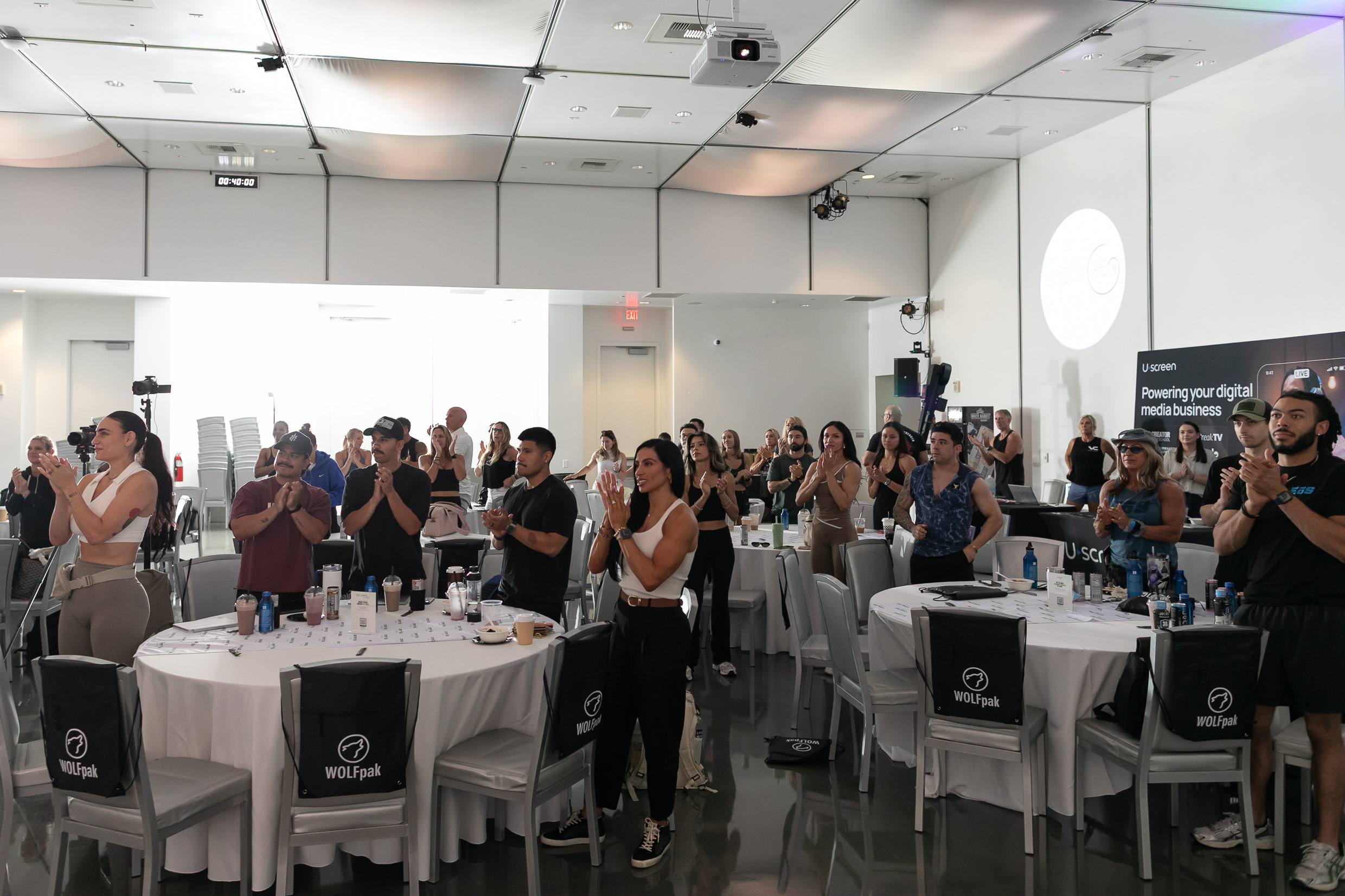
Day 1 opened with ASCEND, powered by VersaClimber, followed by a breakfast networking experience built for real connection between coaches, brands, and industry leaders. The energy mattered, but the value came from what happened after people started talking.
Event partner Naboso works the same ground the morning sessions did. Its textured insoles and mats are built to stimulate the proprioceptors on the bottom of the foot, which is a movement-quality problem before it is a performance one.
From there, the day moved into the practical side of career growth. The conversations kept returning to questions every serious coach eventually has to answer.
- How do you earn trust early?
- How do you get noticed for the right reasons?
- How do you build authority without turning your coaching into a performance?
- How do you use tools, data, and systems without losing the human side of the work?
David Van Daff, Vice President, Industry Development & Public Affairs at the National Academy of Sports Medicine (NASM), brought the career conversation back to daily behavior. For him, professionalism and preparation are not soft ideas. They shape how a coach is seen, trusted, and given responsibility.
“There are three things that are critically important for every personal trainer, and it starts with professionalism. Treat it like a career.”
— David Van Daff, Vice President, Industry Development & Public Affairs, National Academy of Sports Medicine
Van Daff also stressed preparedness, weekly planning, follow-up, and speaking like a professional. This fit the tone of Day 1. The room was not only talking about getting hired. It was talking about becoming someone worth trusting with bigger work.
The panels covered how coaches build authority, income, and opportunity beyond one-to-one sessions. They also examined technology, recovery, long-term health, and how hiring, promotion, and pay decisions happen behind closed doors.
The breakout sessions pushed the same thread forward, with conversations on personal brand, AI, ownership mindset, influence, and scalable coaching businesses. Leverage beyond booked sessions turns out to be a delivery question before it is a marketing one, and the room kept circling back to what to build it on. Event partners Uscreen and Exercise.com, part of Daxko, sit on either side of that answer, one handling video and membership, the other running the software underneath the business.
Fraser Quelch, Co-Founder of TRX and Co-Founder of OutFit, spoke to the importance of building from values before building from tactics. His point was clear: teams do not build strong brands by chasing whatever is trending. They build them from what they believe, protect, and repeat.
“When we were starting TRX training, we sat in a room and asked, ‘What do we believe in? What are the things we create around here?’ The words still hold true to this day: fun, authentic, competitive, effective, united, and physical. Those values became what the brand should be.”
— Fraser Quelch, Co-Founder, TRX and OutFit
That was one of the strongest through-lines of the day. Coaches who want long-term opportunity need more than visibility. They need standards, clarity, and a way of working that people can recognize under pressure.
Day 2: Physique and Bodybuilding Coaching Expanded Beyond the Stage
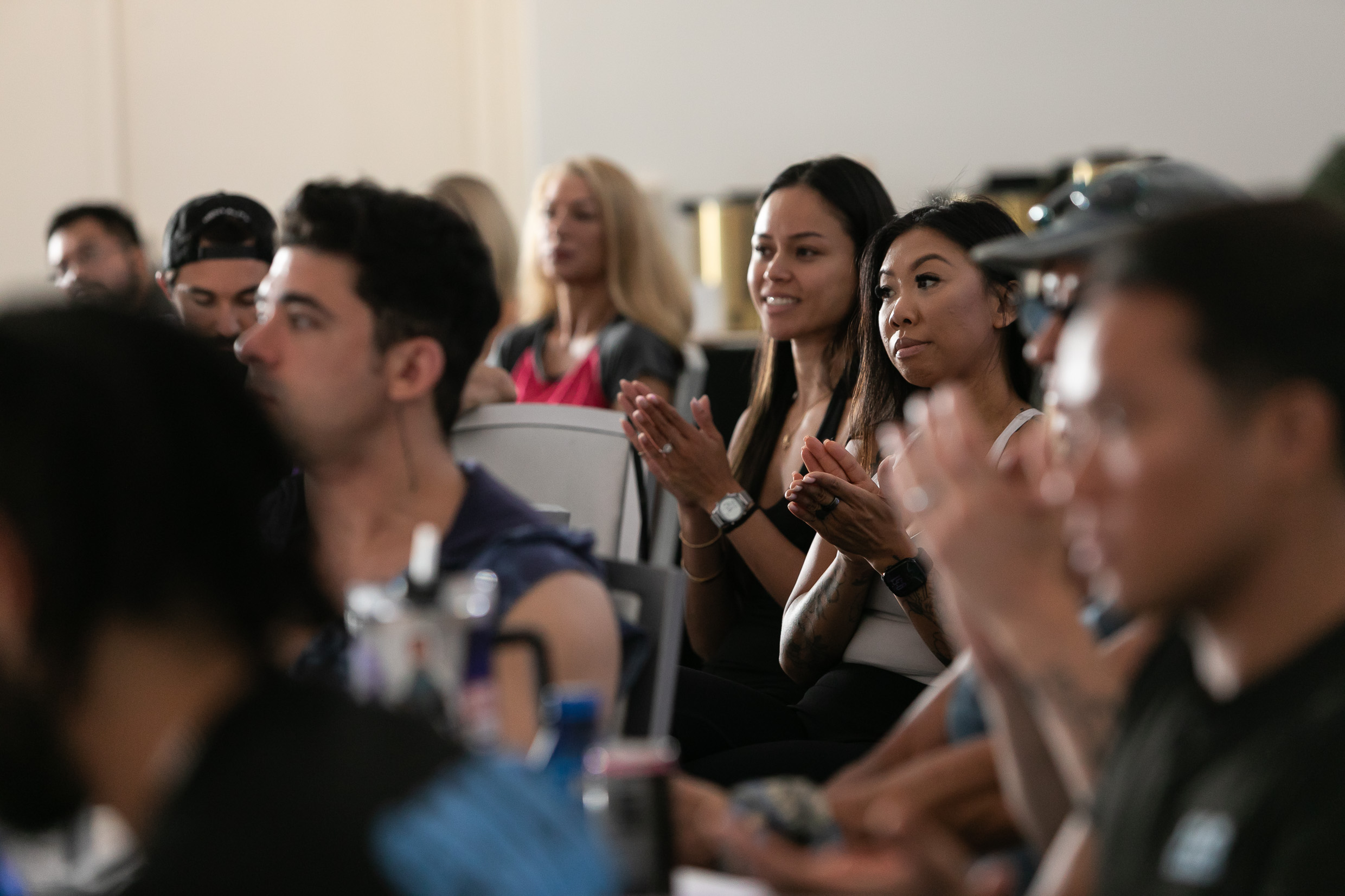
Day 2 shifted the room toward performance, physique coaching, leadership, athlete development, and the longer arc of a coaching career.
The bodybuilding and physique track added a sharper edge to this Career Lab by Coach360 LIVE from Las Vegas 2026 recap. The focus was no longer only how to prep an athlete for a stage. It was how to support the athlete before, during, and after the peak moment.
Day 2 covered coaching under pressure, athlete expectations, communication, accountability, recovery, fatigue management, biomarkers, GLP-1s, and hormone health. The conversations also examined the responsibility coaches carry when working with high-level athletes.
Two event partners sit inside that conversation. Jocko Fuel works the fueling and supplement side. Halo Nutratherapy takes a different route, delivering nutraceutical compounds through an inhaled pharmaceutical-salt device rather than pills or IVs.
Another major theme was influence beyond competition. Competitive success creates attention, but attention does not become a career on its own. Coaches and athletes still need business development, education, credibility, community, and a plan for what happens when the stage stops being the center of the story.
The Beyond Coaching conversation looked at how coaches turn results and competitive credibility into brands, partnerships, education, and businesses. The longevity conversations pushed the room to think beyond short-term output and into health, identity, recovery, and sustainable performance.
For physique, bodybuilding and performance coaches, that was the most important reminder of the weekend. The athlete is not only a body in prep. The athlete is a person with a next chapter.
What the Room Kept Returning To
Across both days, the same ideas kept showing up in different forms.
Identity comes before visibility. Coaches build trust through behavior, follow-through, and judgment. Technology should improve decisions, not create distance. A strong coaching career needs leverage beyond booked sessions. High-level coaching includes knowing the limits of your scope. Competitive success needs a plan for health, business, and identity after the stage.
For anyone looking for a fitness coach summit Las Vegas recap, the clearest message was this: technical knowledge still matters, but it no longer carries a career by itself.
Coaches still need skill. They also need clarity, communication, systems, and the ability to think past the next session.
Three Things Every Coach Should Carry Home
1. Know What You Want To Be Known For
A coach should be able to explain who they serve, what problem they solve, and what standard guides their work. Credentials can open a door, but clarity and trust decide what happens after that.
Andrea Corleto, CEO and Founder of Altro Health, made that point directly. Her message was that coaches and brands cannot build trust by trying to serve everyone.
“The most important thing is to decide who you are for and who you are not for.”
— Andrea Corleto, CEO and Founder, Altro Health
That is a hard lesson for many coaches, because saying yes to every client can feel safer at first. Here is the tradeoff the room kept naming. Narrowing who you serve costs you inquiries in the short term, and some of those inquiries would have paid. What you buy with that loss is a reputation people can repeat accurately, which is what sends the right clients and the right employers to you later. The coaches who grow are usually the ones who become easier to understand.
“If you are for everyone, then you are for no one.”
— Andrea Corleto, CEO and Founder, Altro Health
Action: Write one sentence defining the clients you help and the change you help them create.
2. Build Systems That Make Your Coaching More Human
The best use of technology is to help the coach notice more, follow up better, and support the client between sessions.
Data, platforms, intake forms, programming tools, and AI all have a place. But the tool only matters if it improves the next coaching decision. Collecting more information does not help if no one knows what to do with it.
Event partner TrainHeroic sits at that decision point. A programming platform can hold every session a client has ever run, but the value only shows up when the coach uses that history to change what happens next. Your Reformer, another partner, moves the same idea into the class itself, pushing the plan onto studio screens through its InstructorPro app so the client can see what is coming instead of waiting to be told.
The challenge for coaches is to build systems that make the client feel more seen, not less.
Action: Review your current client workflow and identify one point where better follow-up could improve adherence or retention.
3. Coach for the Client’s Next Chapter
Day 2 made this especially clear. A coach’s responsibility does not end when the goal is reached, the event is over, or the competition season ends.
Recovery, identity, long-term health, referral decisions, and life after competition all belong in the conversation. Coaches who want lasting careers need to think beyond short-term wins and help clients build a future they can live inside.
What stayed with the room was not one presentation or one quote. It was the standard running through both days: the best coaches think past the next session. Give the client a direct question to work with: “What should success still look like six months after this goal?”
Action: Ask each client what success should still look like six or twelve months after the current goal is completed.
Related: The 5 Stages of a Coaching Career and How to Move Up Faster
FitHire: Find Your Next Coaching Role
This Career Lab by Coach360 LIVE from Las Vegas 2026 recap captures the event, but the value comes from what coaches do with the ideas after they return home. Career clarity matters most when it leads to action.
FAQ
What was Career Lab by Coach360 LIVE from Las Vegas 2026?
Career Lab by Coach360 LIVE from Las Vegas 2026 was a two-day Coach360 summit for fitness professionals, coaches, trainers, owners, and industry leaders. Day 1 focused on career growth, leadership, business, technology, and industry pathways. Day 2 focused on performance, physique coaching, athlete longevity, and coaching beyond competition.
What were the biggest themes from Career Lab?
The biggest themes were trust, clarity, career ownership, technology, business growth, and long-term coaching impact. Coaches were challenged to think beyond the next session, build stronger systems, and create careers that hold up as the industry changes.
Why did Career Lab include a bodybuilding and physique track?
The bodybuilding and physique track gave coaches a deeper look at high-performance coaching, athlete pressure, recovery, hormone health, identity, and life beyond the stage. It showed how physique coaching now extends into long-term health, leadership, and sustainable career development.
What should coaches take away from this Coach360 Career Lab recap July 2026?
Coaches should leave with three actions: define what they want to be known for, build systems that make coaching more human, and support clients beyond the current goal. The strongest careers are built on skill, clarity, follow-through, and trust.
About Robert James Rivera
Robert is a full-time freelance writer and editor specializing in the health niche and its ever-expanding sub-niches. As a food and nutrition scientist, he knows where to find the resources necessary to verify health claims.
QR Codes Fitness Studio Retention: Turning Every Surface Into a Member Touchpoint
I watched a member walk up to a machine, study the adjustment points for a few seconds, look around for help, then move on without using it. Nothing was wrong with the equipment. The member simply did not know what to do next. That is exactly where a QR codes fitness studio retention strategy earns its place.
The same gap shows up across the member journey. A member standing in front of a machine needs setup help. A member finishing class needs a recovery plan. A member walking out the door is ready to give feedback. A happy member at the front desk is ready for a referral offer. You do not have a technology problem here. You have a placement problem. The code should sit where the question happens.
Place the Code Where the Question Happens
A member approaches an unfamiliar machine, looks around for help, then skips it. Enough moments like that create friction. A QR code on the equipment can link to a short tutorial covering setup, movement pattern, common mistakes, and regressions. Thirty to sixty seconds of clear instruction is enough.
The tutorial does not replace the coach. It gives the member a useful first step and gives the coach a clearer place to step in:
“Set the seat here, keep the movement controlled, and stop if the position does not feel right.”
The same logic works in recovery zones. Codes near mats, recovery tools, or cool-down areas can offer mobility flows, usage guidance, breathing work, or hydration support.
Fitness facility digital engagement works best when it stays close to the physical action. That is what makes a QR codes fitness studio retention system useful: members get support without digging through menus, messages, or apps.
Mirrors, walls, waiting areas, and studio doors can carry education too. Put the information where members need it, at the moment they need it.
Capture the Member at the Moment of Trust
A member finishes a great class, mentions a friend, then hears, “We will send you the link.” By the time the email arrives, the moment has cooled. A front-desk QR code removes that delay. Members can scan for a guest pass, referral credit, trial offer, event sign-up, or friend booking while the energy is still high. This is where gym QR code marketing starts to earn its place.
The strongest referral prompt sits near a high-trust moment and gives the member one clear next step. Do not overload the landing page. One scan should lead to one action.
The exit can become a retention signal too. A QR code near the door, water station, or locker room can collect quick feedback while the experience is still fresh. A couple of questions is enough:
- How was today’s class?
- Did anything feel confusing?
- Do you want a coach to follow up?
A short response reveals where follow-up is needed. Confusion calls for support. Pain may require a coach touchpoint and a proper referral. Strong feedback can move into a referral path. The scan creates the signal. Your team still has to act on it.
Turn Every Scan Into a Next Step
A QR code only creates value when you know what should happen before and after the scan. Use a simple five-step workflow.
- Choose the member moment. Start with one specific point of friction or opportunity: confusion at a machine, recovery after class, feedback at the exit, or a referral opportunity at the front desk.
- Give the scan one job. One code should lead to one clear action. A machine code opens a setup tutorial. A recovery code opens a five-minute mobility flow. A referral code opens a guest-pass form.
- Decide what happens after the scan. Some scans only deliver information. Others create a signal the team needs to act on. A member who flags confusion may need coach follow-up. A referral form may need to route directly to the sales team.
- Assign an owner. Someone has to be responsible for the next step. The code collects the signal. A manager, coach, or sales lead still owns the response.
- Review what the scans are telling you. Track which codes get used, which locations get ignored, and where members keep asking for help. The goal is not more scans. The goal is better handoffs.
Here is the tradeoff worth naming before you print anything. Every code you place creates a new inbound signal, and signals that nobody owns become a second inbox nobody reads. Two codes with a named owner outperform ten codes with none. Start with two.
Dynamic Codes Turn Printed Surfaces Into Editable Touchpoints
Static QR codes always point to the same place. Dynamic codes let you change the destination without replacing the printed code.
A front-desk code can move from a July referral offer to an August challenge. A recovery-zone code can link to a new mobility block. One printed surface keeps working without another round of signs or stickers.
Tracking adds another layer. You can see which codes get scanned, which locations get ignored, and where members show the most interest.
Keep QR codes useful, not invasive. Use secure links, explain what members get after scanning, and collect personal information only when the action requires it. If a code collects personal information, confirm which privacy and consent requirements apply in your state or region before launch. That review belongs in the setup process, not after member data has already been collected.
The Retention Value Comes From the Handoff
A QR code alone does not improve retention. The system behind it determines the value.
Maddie Nehlen of Opus Training recently noted that early churn is usually attributed to the wrong cause. Her point is that no one on staff owns the full first 30 days.
“Early churn usually gets blamed on member motivation, but motivation is rarely the cause.”
— Maddie Nehlen, Opus Training
The same principle applies here. If a member flags confusion, the coach should see it. If one tutorial gets heavy use, the team should notice. If a referral code performs well, build on it.
Equipment tutorials reduce friction. Recovery protocols add support. Referral codes turn trust into action. Exit feedback surfaces churn risk before cancellation.
The goal is not more scans. The goal is better handoffs.
— Coach360News
If your QR codes are still used only for check-in, the next move is simple. Make every scan earn its place.
Related: Recovery Zones That Run Themselves
FitHire — Browse Club & Studio Operations Roles
Studios that connect member experience, digital engagement, and retention need operators who can turn simple tools into repeatable systems. Explore opportunities where that operational thinking matters.
Browse club and studio operations roles at fithirebycoach360.com
FAQ
How can fitness studios use QR codes beyond check-in?
Studios can use QR codes for equipment tutorials, recovery guidance, member education, referrals, feedback, class information, event registration, and seasonal campaigns.
Do QR codes help with member retention?
Yes, when they remove friction, answer questions quickly, collect useful feedback, and connect members to the next action at the right moment. A code with no owner behind it does not.
Where should fitness studios place QR codes?
Strong locations include equipment, recovery zones, locker room mirrors, studio walls, front desks, exits, water stations, and class doors.
What is the difference between a static and dynamic QR code?
A static QR code always points to the same destination. A dynamic QR code lets operators change the destination later without replacing the printed code.
About Robert James Rivera
Robert is a full-time freelance writer and editor specializing in the health niche and its ever-expanding sub-niches. As a food and nutrition scientist, he knows where to find the resources necessary to verify health claims.


Subscribe to our Newsletter
Powering the Business of Health, Fitness, and Wellness Coaching