Fitness: A Lifeline For Empowering Coaches To Foster Connection, Build Hope, And Cultivate Belonging Through Fitness As An Antidote To Loneliness And Isolation
Despite living in a world that’s more connected than ever, many of us still grapple with a profound sense of loneliness. The pandemic may be over, but the lingering isolation and disconnection are palpable. Whether it’s the loss of social structures, remote work, or personal struggles, the prevalence of loneliness is on the rise. According to US Surgeon General Vivek H. Murthy, MD, MBA, loneliness and social isolation have escalated to the level of a public health crisis, on par with smoking or obesity. He cautions that these outcomes of social determinants of health pose significant risks to both mental and physical well-being, potentially shortening life expectancy (Murthy, 2023). According to a May 2023 press release from the U.S. Department of Health and Human Services, loneliness significantly increases the risk of heart disease by 29%, stroke by 32%, and dementia by 50% among older adults (U.S. Department of Health and Human Services, 2023).
Moreover, the statistics are alarming, with loneliness increasing the likelihood of premature death by over 60% (US Department of Health and Human Services, 2023). These figures underscore the pressing need to tackle this silent epidemic. The mental health impacts of loneliness highlight the importance of addressing this challenge. Adults who frequently experience loneliness are more than twice as likely to develop depression compared to those who do not. For children, early experiences of loneliness and isolation can contribute to immediate challenges such as depression and anxiety, and may also extend these risks into later life (US Department of Health and Human Services, 2023). With over one-fifth of adults and one-third of young adults in the US living with a mental health diagnosis, integrating strategies that foster connection and belonging is essential to strengthening our broader mental health response.
Yet, amidst this growing crisis, a beacon of hope shines brightly—fitness. More than just a means to maintain physical health, fitness presents a potent solution to combat loneliness. It does so by nurturing human connections and aiding individuals in rediscovering a sense of belonging.
Fitness and Social Connection: A Natural Bond
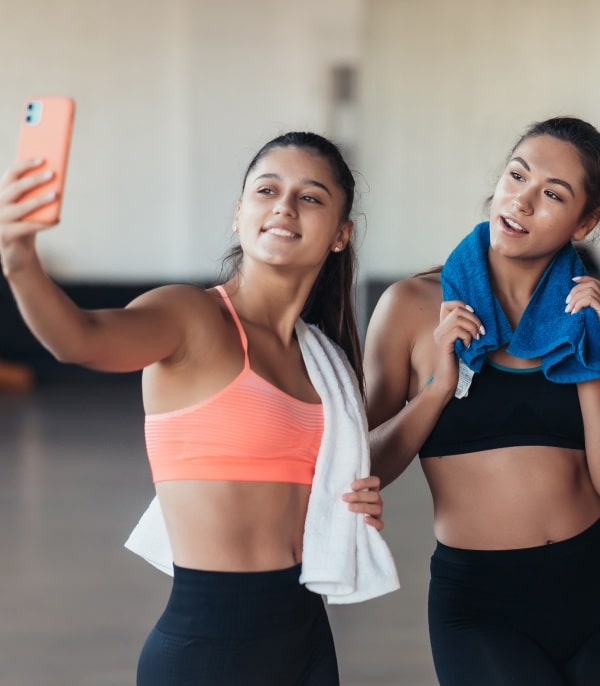
Fitness naturally cultivates community. Whether through an exercise class, a gym buddy, or an online fitness group, fitness activities provide structured opportunities for connection and camaraderie. These environments bring people together with a shared purpose: often centered around enhancing their well-being—whether physically, mentally, emotionally, socially, or simply seeking connection and community.
Alicia Wilder, Artistic Director of Metamorphosis: the TEN31 Dance Company, experienced this firsthand. Before the pandemic, her studio had just established a community among its members. But when COVID-19 hit and forced physical distancing, Alicia quickly realized how essential human connection was to her dancers and fitness enthusiasts. “We were in desperate need of our community and connection,” Alicia said, reflecting on how her dance and fitness classes transformed into a critical space for people to feel connected.
Like Alicia, Allie Zeena Gersbeck, a Providence Fit Body Boot Camp member turned coach, struggled with isolation when the world shut down in 2020. “I thrive on human connection, and the lack of socialization during the pandemic had a profound negative impact on me,” she recalls. “I couldn’t bring myself to exercise or even maintain any self-care routine.” Fitness was more than just a way for Allie to get back into shape—it was her path to rediscovering community.
The experiences of both women echo findings from the research: group exercise participants experience a 26% reduction in social isolation compared to those who exercise alone (Holt-Lunstad, 2018). The bonds that Alicia’s and Allie’s fitness communities fostered were crucial to their physical, mental, and emotional well-being. Fitness isn’t just about exercise—it’s about connecting with others through a shared experience and finding a place to belong.
Alicia and Allie: Two Journeys to Reconnection
For Alicia, fitness became more than just movement—it became a lifeline. “Our studio quickly pivoted to offering virtual dance and fitness classes,” she explains. These classes turned into a lifeline for both Alicia and her community members. People of all ages and experience levels could come together virtually to move their bodies and feel like they still had a space to call home.
Similarly, Allie’s first boot camp session at Providence Fit Body Boot Camp marked a turning point for her. The air was thick with uncertainty as she walked into the gym for the first time after months of isolation. But the warmth of the community cut through her fears. “Being part of a fitness community finally gave me the support I needed to start caring for myself again, mentally and physically,” she shares.
Allie and Alicia found their fitness communities more than just workout spaces. They became places to reconnect with others and rediscover their strength. In Alicia’s virtual classes, members shared their struggles and celebrated their progress, creating bonds beyond the workout. For Allie, those bonds grew so strong that she eventually became a coach, helping others experience the same support and belonging she had found.
The Mental Health Benefits of Fitness
Fitness enhances physical strength and mental health. Physical activity has been proven to alleviate symptoms of depression and anxiety, both of which are often exacerbated by feelings of isolation (Blumenthal et al., 2007). Regular exercise can boost self-esteem, improve sleep, and reduce stress, all contributing to better mental health. Both Alicia and Allie experienced these mental health benefits firsthand.
For Alicia, staying active and engaging her community during lockdown was critical for her mental well-being and members. “People needed a place to move, and in doing so, they found a place to reconnect with themselves and others,” she recalls. Her fitness classes became a form of therapy, helping her and her participants regain a sense of purpose and emotional stability.
Likewise, for Allie, fitness helped her rediscover balance in her life. Her mood and motivation improved as she became more active and engaged in her fitness community. Regular exercise provided her with a routine and a sense of accomplishment that helped her push through the emotional challenges of isolation.
As individuals grow stronger physically, they often find themselves more open to seeking social connections. Alicia saw this in her classes, where members bonded over shared experiences, making fitness more than just a workout—it became a lifeline to emotional well-being.
Fitness as a Community Builder
The fitness community offers a unique space where people can connect, support one another, and work toward common goals. Both Alicia and Allie discovered that these communities became hubs for more than just physical health. They were places to build relationships, to be seen, and to belong.
For Alicia, her studio became a second home for her members, many of whom felt lost during the isolation of the pandemic. “People come back to the studio because they feel connected,” Alicia says. Whether virtual or in person, these fitness and dance sessions created safe spaces for people to share their struggles, lean on each other for support, and celebrate their progress. “There is something so special about sharing space and joy that vibrates through a dance and fitness space. When you can be in a moment to push yourself to your limits around people you feel safe with, bonds just naturally form, and it is truly a blessing to do the work that we do,” Alicia reflects.
Allie’s experience was similar. The fitness community she joined offered more than just accountability for her physical health goals—it gave her a source of encouragement and belonging. “I wanted to be the light for others, just like everyone had been for me,” Allie reflects as a member turned coach. “Providence Fit Body Boot Camp saved my life. Now, as a coach, I can provide that safe space for others. Many members have shared how this fitness community has helped them through tough times and positively changed their lives, just as it did for me.”
Like those fostered by Alicia and Allie, fitness communities provide critical social support, helping to reduce loneliness and isolation while increasing a sense of belonging. Research shows that strong social connections are associated with a 50% greater chance of living longer and improving overall health, highlighting the vital role relationships play in both physical and mental well-being (Holt-Lunstad et al., 2010). These communities become sources of strength and hope, creating spaces where individuals feel valued and supported.
Fitness as a Lifeline to Belonging
The communities created through fitness offer strength and hope, as seen in the journeys of Allie and Alicia. Fitness is more than just a path to physical health—it’s a transformative space where you can find belonging and support on your journey to well-being.
As Surgeon General Vivek H. Murthy reminds us, loneliness poses a serious threat to our health. Yet, fitness provides an accessible antidote, helping us reconnect with ourselves and those around us. So, lace up your sneakers, whether you’re just starting out or a seasoned fitness enthusiast—the most valuable gains might be the friendships and connections that last a lifetime.
Immediate Action Steps to Foster Connection and Well-being through Fitness & Movement
Here are some ways you can incorporate fitness into your routine or try something new to build meaningful connections and enhance your well-being:
- Join a Group Fitness Class: Local yoga, cycling, or fitness classes are great ways to meet new people and stay active. Group settings help foster social connections. ClassPass is a subscription-based service that allows access to various group fitness classes.
- Take a Walk with Friends or Neighbors: Schedule regular walks with friends or neighbors. Walking outdoors encourages conversation and boosts mental well-being.
- Participate in Virtual Fitness Communities: If in-person options aren’t available, online fitness groups or subscribe to virtual fitness platforms like Peloton or Zwift.
- Set Fitness Goals with a Partner: Set shared fitness goals with a friend or family member. Working toward a common goal can strengthen relationships.
- Meetup.com: Use this site to find local group fitness classes, walking clubs, and sports leagues based on your location and interests.
- Volunteer for Community Events: Get involved in local events like charity runs, races, or sports leagues to meet others and build connections. VolunteerMatch: Connects individuals with opportunities to volunteer for community sports events and charity runs.
How Coaches Can Foster Connection, Build Hope, and Cultivate a Sense of Belonging through Fitness
Here are some ways coaches can cultivate community, connection, and well-being into their practice:
- Create Group Fitness Bonds: Design group workouts and challenges that encourage teamwork, boosting camaraderie and support among clients.
- Build a Supportive Community: Develop a culture of encouragement by establishing social media groups or in-person check-ins where clients can celebrate successes and uplift each other.
- Maximize Virtual Connections: Use virtual tools like Zoom classes or online challenges to keep clients engaged and connected, whether local or not.
- Host Social Fitness Events: Organize activities like charity runs, group hikes, or post-workout social hours to deepen client relationships outside regular sessions.
- Encourage Accountability Partnerships: Pair clients as workout buddies or accountability partners to help them stay on track while fostering strong personal connections.
- Celebrate Milestones Together: Recognize individual and group achievements regularly in classes or online, creating a positive, celebratory atmosphere that strengthens community bonds.
Supporting Mental and Emotional Well-Being: Staying Within Your Scope
As a coach, your role in supporting clients’ mental well-being is not just important; it’s integral. Your influence goes beyond physical fitness, as you are a key ally in your clients’ mental well-being journey. Your support can significantly impact their emotional health, creating an environment where they feel heard, supported, and part of a community.
Given the frequency and consistency with which you interact with your clients, you may be the first person they turn to when facing a mental health challenge or emergency. The close relationship you develop allows you to notice early signs of distress, positioning you to play a major role in identifying when something might be wrong. By offering support within your scope, you become a powerful advocate for mental health and prevention, helping bridge the gap to professional resources and assistance your clients may need.
However, it’s important to recognize when a client’s needs go beyond what fitness can address. In such cases, guiding them toward mental health professionals is essential. Additionally, consider investing in continued education, such as training in Mental Health First Aid. This type of training equips you with the skills to identify, understand, and respond to mental health challenges, enhancing your ability to provide immediate support and direct clients to the appropriate resources when necessary.
Don’t forget to prioritize your own well-being, too. Practicing self-care such as regular exercise, mindfulness, adequate sleep, and setting boundaries with your time to maintain your own mental and physical well-being. Additionally, seeking support when needed is crucial to prevent burnout, ensuring that you can continue to support yourself and your clients.
It’s also important to be prepared with resources for when your clients may need additional help. Keeping a list of local counselors, hotlines, or mental health services readily available can make a significant difference. Here are three national resources you can provide when clients may need further mental health support:
- National Suicide Prevention Lifeline (1-800-273-8255): A 24/7, free, and confidential support service for people in distress, offering prevention and crisis resources for individuals and their loved ones.
- Crisis Text Line (Text HOME to 741741): A free, 24/7 text-based support service for people in crisis. Users can text from anywhere in the US to connect with a trained crisis counselor.
- National Alliance on Mental Illness (NAMI): NAMI provides resources, support groups, and education for individuals dealing with mental health issues. Their helpline (1-800-950-NAMI) is available Monday through Friday for non-emergency support.
Your Role as a Coach in Building Connection
By creating a space where individuals can connect, feel supported, and belong, you offer more than just a workout—you offer a lifeline to a healthier, more connected life. Embrace your coach and community builder role, and watch your clients thrive in mind, body, and spirit.
Fitness as a Lifeline to Belonging
Final Thoughts
In an increasingly disconnected world, fitness is a lifeline that fosters real, meaningful human connections and supports mental and emotional well-being. It also plays a crucial role in building communities that offer strength and hope. As Allie and Alicia’s stories demonstrate, fitness is about more than just physical health—it’s about finding a space where you belong and where others will support you on your journey toward well-being.
Connection is one of our greatest strengths. Let fitness be one of the sparks that brings us together and inspires us to spread love, reminding us that we are stronger together.
Alicia Wilder, Artistic Director of Metamorphosis: The TEN31 Dance Company
https://www.ten31productions.com/
Allie Zeena Gersbeck, Coach/Client Coordinator at Providence Fit Body Boot Camp
IG: @provfitbody
References
- Blumenthal, J. A., Babyak, M. A., Doraiswamy, P. M., Watkins, L., Hoffman, B. M., Barbour, K. A., Herman, S., Craighead, W. E., Brosse, A. L., Waugh, R., Hinderliter, A., & Sherwood, A. (2007). Exercise and pharmacotherapy in the treatment of major depressive disorder. Psychosomatic Medicine, 69(7), 587-596. https://doi.org/10.1097/PSY.0b013e318148c19a
- Holt-Lunstad, J. (2018). Why social relationships are important for physical health: A systems approach to understanding and modifying risk and protection. Annual Review of Psychology, 69, 437-458. https://doi.org/10.1146/annurev-psych-122216-011902
- Holt-Lunstad, J., Smith, T. B., & Layton, J. B. (2010). Social relationships and mortality risk: A meta-analytic review. PLoS Medicine, 7(7), e1000316. https://doi.org/10.1371/journal.pmed.1000316
- Murthy, V. H. (2023). Our epidemic of loneliness and isolation: The U.S. Surgeon General’s advisory on the healing effects of social connection and community. U.S. Department of Health and Human Services. https://www.hhs.gov/sites/default/files/surgeon-general-social-connection-advisory.pdf
- U.S. Department of Health and Human Services. (2023). Surgeon General releases advisory on our epidemic of loneliness and isolation. HHS.gov. https://www.hhs.gov/about/news/2023/05/02/surgeon-general-releases-advisory-on-our-epidemic-of-loneliness-and-isolation.html
About Melody Gamba, LMHC, BC-DMT
Melody passionately advocates for holistic health as the Integrator at Providence Fit Body Boot Camp and proprietor of Lighthouse Creative Collaborative. Currently pursuing a doctoral degree at Lesley University, her studies focus on Counseling and Psychology, emphasizing Transformational Leadership, Education, and Applied Research.
Melody holds diverse roles, including working as a licensed mental health counselor, board-certified dance/movement therapist, educator, and dance artist, demonstrating her interdisciplinary approach. Her collaborations with the Rhode Island Department of Health and the Rhode Island State Council on the Arts through the Arts & Health Partnership further demonstrate her versatility and expertise in the field.
Her journey into using whole foods for healing started over a decade ago. This led her to work with functional medicine doctors, holistic MDs, and other wellness practitioners who have helped her heal through nutrition and wellness practices. Melody is dedicated to empowering others through integrated, holistic approaches to well-being, driven by a community-focused mindset.
Melody also educates communities on mental health and suicide prevention, equipping coaches, educators, and leaders with the knowledge and tools to offer support while staying within their professional scope.
Feed Your Gut, Nourish Your Mind: The Connection Between Nutrition, Gut Health, And Mental Health
Nutrition and Mental Health
Imagine if the path to a healthier, happier mind lies right on your plate. The link between nutrition, gut health, and mental well-being is revolutionizing our understanding of mental health. Food is no longer just about sustaining our bodies; it is now acknowledged as fundamental to shaping our mental resilience, mood, and overall well-being. Each bite we take has the potential to revitalize both our physical health and our minds (Jacka et al., 2017).
The connection between nutrition and mental health is undeniable. Our brain, a highly complex and energy-demanding organ, relies on a constant supply of nutrients to function at its best. Omega-3 fatty acids, vitamins B6 and B12, folate, and antioxidants are crucial for producing neurotransmitters, the chemical messengers that carry signals in the brain (Jacka et al., 2017).
For example, omega-3 fatty acids found in fish and flaxseeds have been linked to improved brain health and reduced levels of depression (Jacka et al., 2017). These fatty acids support fluid cell membranes in the brain, which is essential for effective communication between brain cells. Vitamins B6 and B12 are vital for producing serotonin and dopamine, neurotransmitters that regulate mood, behavior, and emotional balance (Mikkelsen et al., 2016).
Gut Health and the Gut-Brain Axis
Your gut and brain are in constant communication, influencing your mental and emotional well-being. This two-way communication system, known as the gut-brain axis, ensures that what happens in the gut affects the brain and vice versa. This complex network is responsible for many bodily functions, including those related to mental health (Cryan et al., 2019). Dr. Mark Hyman (2010), a leader in functional medicine, emphasizes that the gut is the cornerstone of health, and poor gut health can contribute to brain dysfunction and mental illness.
The gut microbiome, a term used to describe the community of bacteria and microorganisms in our digestive system, is the heart of this connection. It influences everything from our mood to our cognitive function. A healthy gut microbiome supports the production of neurotransmitters like serotonin and dopamine, which profoundly impact our mental and emotional health.
Dr. David Perlmutter (2013), author of Grain Brain, emphasizes that the gut microbiome directly influences brain function. By taking care of your gut, you also care for your brain. When prioritizing your gut health, you nurture your brain, support emotional regulation, and foster a resilient mind.
Serotonin and the Gut’s Impact on Mental Health
Did you know your gut produces 90% of your body’s serotonin? Often referred to as the “feel-good” hormone, serotonin is crucial for regulating digestion, mood, sleep, appetite, memory, and social behavior. This underscores the immense power of the gut-brain axis—a sophisticated communication network connecting the gut to the brain through neural, hormonal, and immune pathways (Yano et al., 2015; Cryan et al., 2019). Dr Emeran Mayer (2015) discussed that these serotonin-containing cells are influenced by what we eat, by chemicals released from certain species of gut microbes, and by signals that the brain sends to them, informing them about our emotional state.
Certain gut bacteria, like Lactobacillus and Bifidobacterium, play a pivotal role in serotonin synthesis. These microbes produce short-chain fatty acids (SCFAs) that stimulate serotonin production, highlighting the profound influence of gut health on our mental state (Clarke et al., 2014). Foods rich in tryptophan, such as turkey, eggs, and nuts, are essential building blocks for serotonin. However, even the best nutrition plan won’t suffice without a healthy gut microbiome to convert tryptophan into serotonin effectively.
When gut health is compromised—whether through poor diet, stress, or other factors—disruptions like dysbiosis can occur, leading to altered serotonin levels. These imbalances are often linked to mood disorders such as depression and anxiety, making it clear that maintaining gut health is essential for mental health as well (Mayer et al., 2014).
The Impact of Diet on Gut Health
What you eat shapes who you are—right down to your gut. The foods we consume are fundamental architects of our gut health, with the power to either nurture or disrupt the delicate balance of our gut microbiome. Diets rich in fiber, fermented foods, and polyphenols lay the foundation for a diverse and thriving microbiome, fostering the growth of beneficial bacteria that support overall health (Valdes et al., 2018).
Conversely, diets high in processed foods and sugar can disrupt this intricate system, leading to imbalances that affect both physical and mental health. Probiotics, which are live beneficial bacteria found in fermented foods like yogurt, and prebiotics, which are non-digestible fibers found in foods like garlic and onions, help sustain these beneficial gut bacteria. This ensures that the gut-brain axis remains a robust channel for positive mental and emotional health (Valdes et al., 2018).
Dr. Emeran Mayer (2015) notes, your gut microbes are in a prime position to influence your emotions by generating and modulating signals the gut sends back to the brain. His insight reinforces that understanding and supporting this pathway through diet can be transformative for mental well-being.
Fuel Your Greatness—Start with Your Gut, Empower Your Mind
Emerging evidence highlights the profound impact of nutrition and gut health on mental health. Every small step toward nourishing your body is a step toward greater mental wellness. These changes have the potential to transform your mental well-being. Trust in your ability to make positive changes, and know that your journey to a healthier mind and body is supported by the choices you make each day.
You have the power to enhance your mental well-being, starting with a single step today. Each small action you take brings you closer to greater strength and balance. For personalized support, consider partnering with a functional medicine doctor, nutritionist, naturopathic doctor, or other nutrition, gut health, and mental health experts who can guide you on your journey to wellness.
In the meantime, consider incorporating one of the steps below to begin your journey:
-
Incorporate More Omega-3 Fatty Acids into Your Diet
For instance, you can add foods like salmon, mackerel, flaxseeds, chia seeds, and walnuts to your meals. These nutrients are essential for brain health and can help improve mood and cognitive function.
-
Focus on Gut-Friendly Foods
Start by adding more fiber-rich and fermented foods to your diet. These include a variety of fruits and vegetables, yogurt, kefir, sauerkraut, and kimchi. These foods support a healthy gut microbiome, which is crucial for producing serotonin and maintaining mental well-being.
-
Reduce Processed Foods and Sugars
Limit your intake of processed foods and added sugars, as they can disrupt the balance of your gut microbiome and negatively impact your mental health. Opt for whole, unprocessed foods as much as possible.
Before making any significant changes, it’s essential to consult with a medical professional.
Resources
Jacka, F. N., O’Neil, A., Opie, R., Itsiopoulos, C., Cotton, S., Mohebbi, M., Castle, D., Dash, S., Mihalopoulos, C., Chatterton, M. L., Brazionis, L., Dean, O. M., Hodge, A. M., & Berk, M. (2017). A randomised controlled trial of dietary improvement for adults with major depression (the ‘SMILES’ trial). BMC medicine, 15(1), 23. https://doi.org/10.1186/s12916-017-0791-y
Clarke, G., Stilling, R. M., Kennedy, P. J., Stanton, C., Cryan, J. F., & Dinan, T. G. (2014). Minireview: Gut microbiota: the neglected endocrine organ. Molecular endocrinology (Baltimore, Md.), 28(8), 1221–1238. https://doi.org/10.1210/me.2014-1108
Cryan, J. F., et al. (2019). The Microbiota-Gut-Brain Axis. Physiological Reviews, 99(4), 1877-2013.
Mayer, E. A., Tillisch, K., & Gupta, A. (2015). Gut/brain axis and the microbiota. The Journal of clinical investigation, 125(3), 926–938. https://doi.org/10.1172/JCI76304
Mikkelsen, K., Stojanovska, L., & Apostolopoulos, V. (2016). The Effects of Vitamin B in Depression. Current medicinal chemistry, 23(38), 4317–4337. https://doi.org/10.2174/0929867323666160920110810
Valdes, A. M., Walter, J., Segal, E., & Spector, T. D. (2018). Role of the gut microbiota in nutrition and health. BMJ (Clinical research ed.), 361, k2179. https://doi.org/10.1136/bmj.k2179
Yano, J. M., Yu, K., Donaldson, G. P., Shastri, G. G., Ann, P., Ma, L., Nagler, C. R., Ismagilov, R. F., Mazmanian, S. K., & Hsiao, E. Y. (2015). Indigenous bacteria from the gut microbiota regulate host serotonin biosynthesis. Cell, 161(2), 264–276. https://doi.org/10.1016/j.cell.2015.02.047
Dr. Mark Hyman
Website: DrHyman.com
A wealth of articles, podcasts, and videos on functional medicine and the gut-brain connection.
Book: The UltraMind Solution: The Simple Way to Defeat Depression, Overcome Anxiety and Sharpen Your Mind
Explores the connection between physical health and mental well-being, particularly focusing on how addressing issues like diet, gut health, and inflammation can improve cognitive function and alleviate mental health issues.
Available on Amazon
Book: “Food: What the Heck Should I Eat?”
Explores the impact of food on overall health, including the gut-brain connection.
Available on Amazon
Dr. David Perlmutter
Website: DrPerlmutter.com
Contains resources on gut health, brain health, and nutrition.
Book: “Grain Brain”
Focuses on how carbohydrates and sugar impact brain health and the role of gut health.
Available on Amazon
Book: “Brain Maker”
Discusses the influence of gut microbes on brain health and overall well-being.
Available on Amazon
Dr. Emeran Mayer’
Website: EmeranMayer.com
Provides research updates, articles, and information on the gut-brain axis.
Book: “The Mind-Gut Connection” (2015)
Provides scientific insights into how the gut and brain communicate and influence mental health.
Available on Amazon
Melody Gamba, LMHC, BC-DMT, has passionately advocated whole-body health for over 15 years. Her journey into using whole foods as a path to mental and physical wellness began over a decade ago, leading her to collaborate with functional medicine doctors and holistic MDs who have guided her healing through nutrition and wellness practices. Melody’s mental health and dance/movement therapy expertise is enriched by her commitment to integrating holistic approaches into her practice.
About Melody Gamba, LMHC, BC-DMT
Melody passionately advocates for holistic health as the Integrator at Providence Fit Body Boot Camp and proprietor of Lighthouse Creative Collaborative. Currently pursuing a doctoral degree at Lesley University, her studies focus on Counseling and Psychology, emphasizing Transformational Leadership, Education, and Applied Research.
Melody holds diverse roles, including working as a licensed mental health counselor, board-certified dance/movement therapist, educator, and dance artist, demonstrating her interdisciplinary approach. Her collaborations with the Rhode Island Department of Health and the Rhode Island State Council on the Arts through the Arts & Health Partnership further demonstrate her versatility and expertise in the field.
Her journey into using whole foods for healing started over a decade ago. This led her to work with functional medicine doctors, holistic MDs, and other wellness practitioners who have helped her heal through nutrition and wellness practices. Melody is dedicated to empowering others through integrated, holistic approaches to well-being, driven by a community-focused mindset.

Subscribe to our Newsletter
Powering the Business of Health, Fitness, and Wellness Coaching