All Categories
All Categories

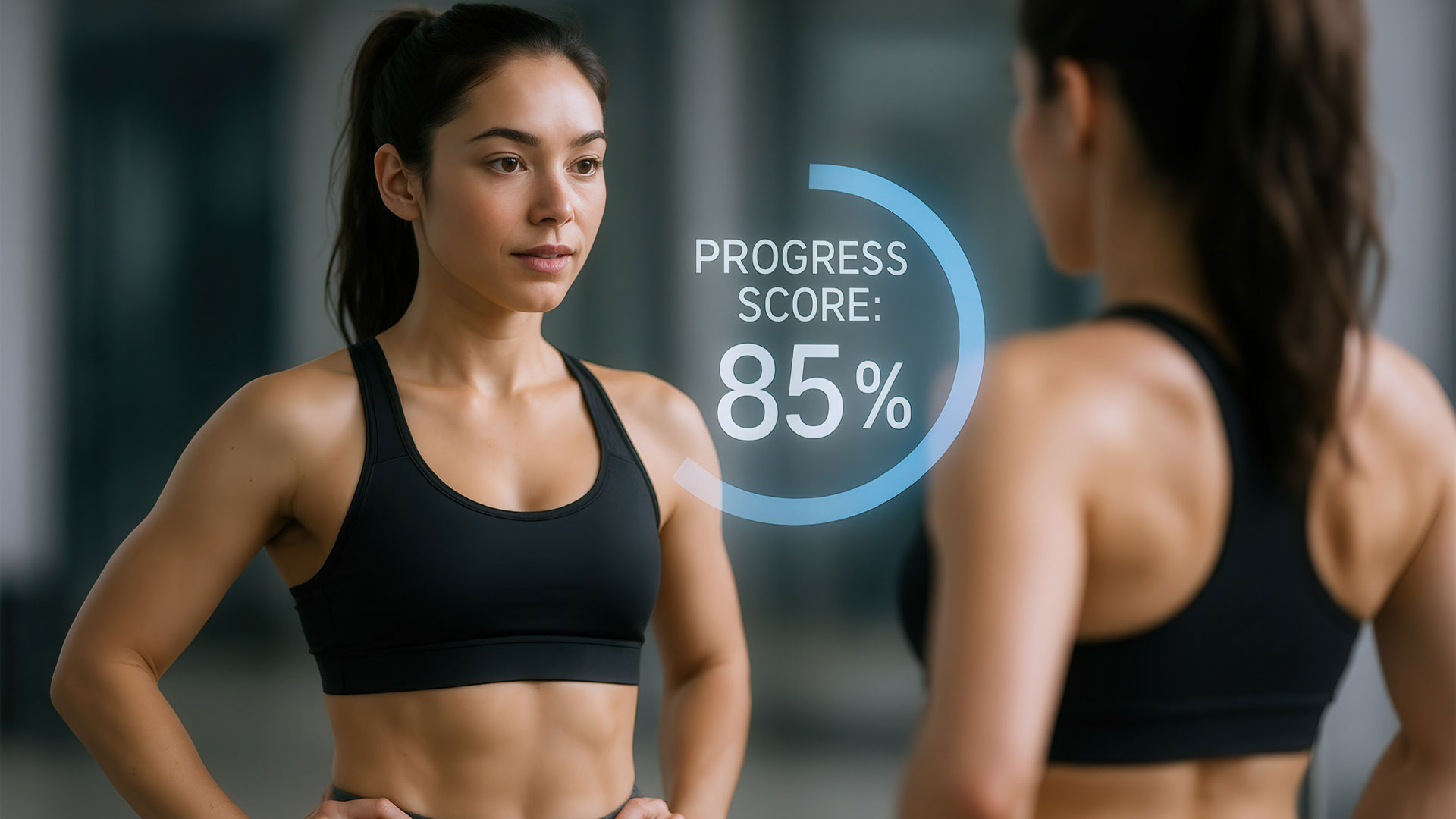

Every coach knows the frustration of seeing an athlete walk in looking worn down, but still trying to push through a heavy session. The signs are there: slower response times, poor movement quality, flat energy. Yet without structured data, those signals are easy to miss.
That gap is where AI-driven readiness scores are starting to overhaul the trend.
By turning streams of physiological and performance data into daily insights, clubs and coaches now have the tools to program smarter, protect members, and grow stronger businesses.
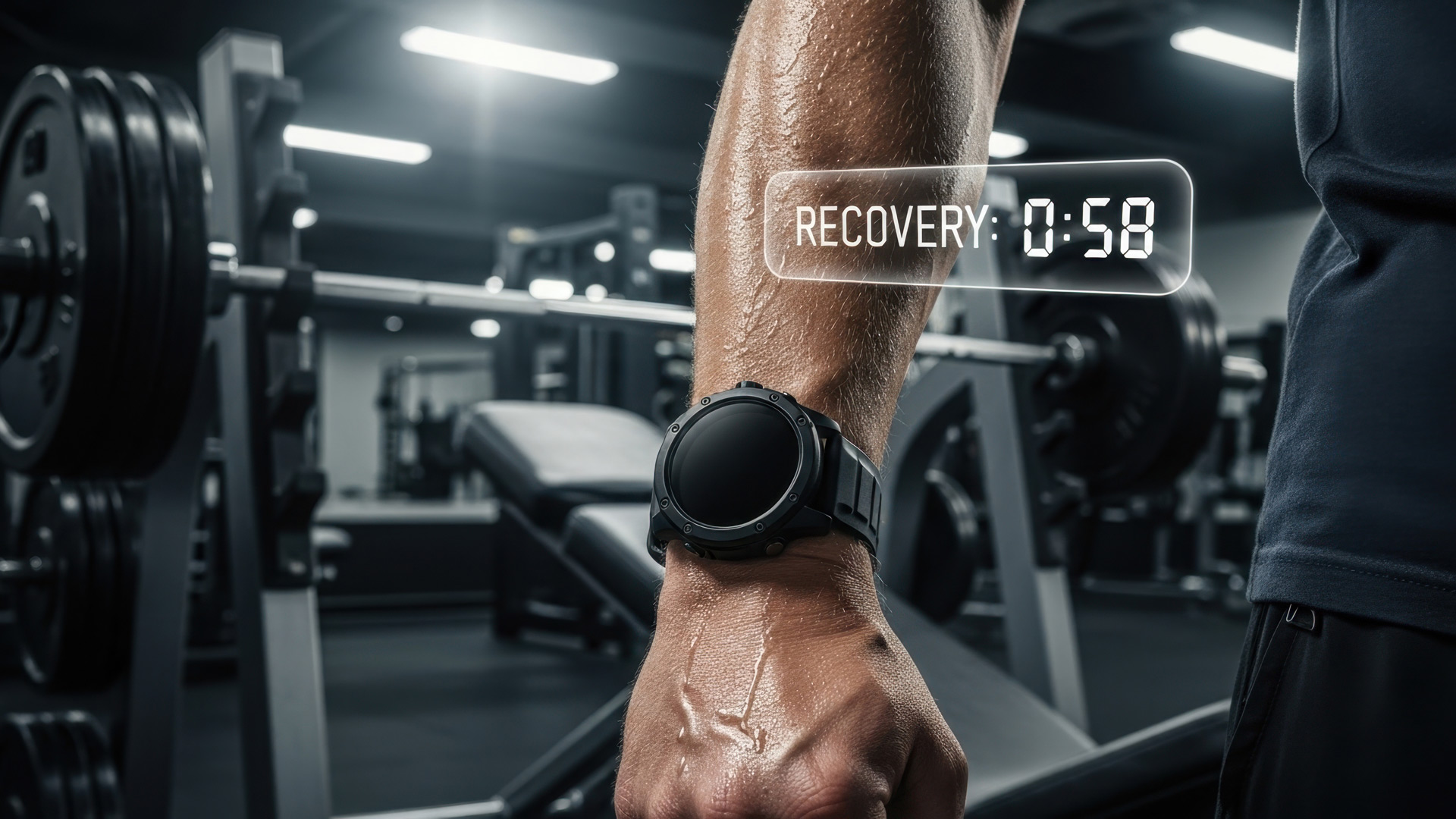
The foundation of readiness scoring is already in place inside many clubs. Wearables track heart rate, sleep, HRV, and recovery. Connected equipment records load, speed, and movement quality. AI models take those inputs and translate them into one clear metric: how ready someone is to perform today.
Research shows the potential. A 2025 study on AI-driven physical education found participants using adaptive AI programs improved cardiovascular endurance, core strength, and muscular power more than peers in traditional programs.
Personalization, gamification, and real-time feedback kept engagement high and progress measurable. Those same principles apply to readiness scores: when athletes see feedback tailored to their state, they respond with consistency.
With AI-based monitoring, systems can detect subtle patterns that signal overload risk.
One framework blends heart rate, motion data, and time-location tracking to build a live picture of an athlete’s stress profile. LSTM models identify when heart rate recovery is delayed after high-intensity work, signaling fatigue even before the athlete feels it. This predictive layer matters because injury and overtraining are rarely acute, and instead, build up quietly.
Readiness scores give coaches an early warning system. Instead of pushing an athlete into another maximal day, coaches can scale to technique work, mobility, or lighter loads without guessing.
Over time, this reduces time lost to injury and improves trust between coach and client.
Beyond performance, readiness scoring speaks directly to the economics of retention. Members cancel when progress stalls, injuries mount, or they feel the program is disconnected from their needs. Smarter programming prevents those pitfalls.
Clubs that adopt readiness tools gain three advantages.
The numbers reinforce the case. Studies show even a 5% lift in retention can boost profits by 25% or more.
The shift is especially relevant for Gen Z, who are shaping the future of fitness economics. This generation sees wellness as holistic, blending strength, mindfulness, and recovery. They already spend on recovery lounges, red light therapy, and compression systems because they want to track progress and see measurable impact.
Readiness scores fit perfectly into that mindset.
For Gen Z, data is part of the experience. They want their club app to connect training sessions with sleep quality and daily stress levels. They expect personalization and transparency, and readiness scores deliver both.
For readiness scoring to succeed, clubs need more than hardware. They need clear workflows.
The smartest operators are already pairing readiness data with retail. Nutrition bars for recovery, portable light therapy devices, and pain relief tools are positioned as solutions when readiness scores trend low.
AI-driven readiness scores are still in their early stages, but the trajectory is clear. More precise wearables, advanced machine learning, and tighter integration with coaching platforms will expand their influence. In the next decade, readiness data will likely become as standard as a training log once was.
The real question for clubs and coaches is not whether readiness scores matter, but how fast they will integrate them into daily operations. Those who adopt early will enjoy an edge in retention, revenue, and reputation. Those who wait risk being left behind as members come to expect data-driven personalization.
About Robert James Rivera
Robert is a full-time freelance writer and editor specializing in the health niche and its ever-expanding sub-niches. As a food and nutrition scientist, he knows where to find the resources necessary to verify health claims.
By Elisa Edelstein

By Robert James Rivera

By Robert James Rivera
By Robert James Rivera
By Robert James Rivera
By Robert James Rivera


Powering the Business of Health, Fitness, and Wellness Coaching